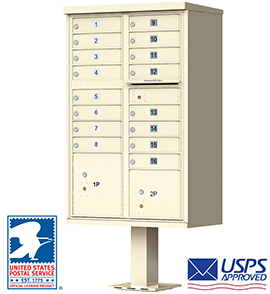
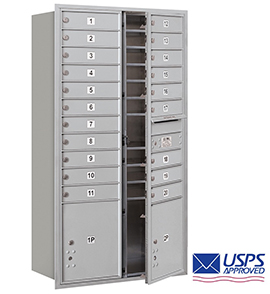
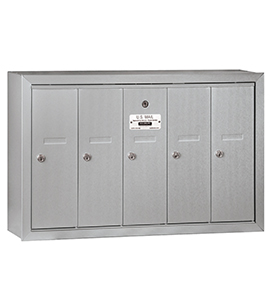
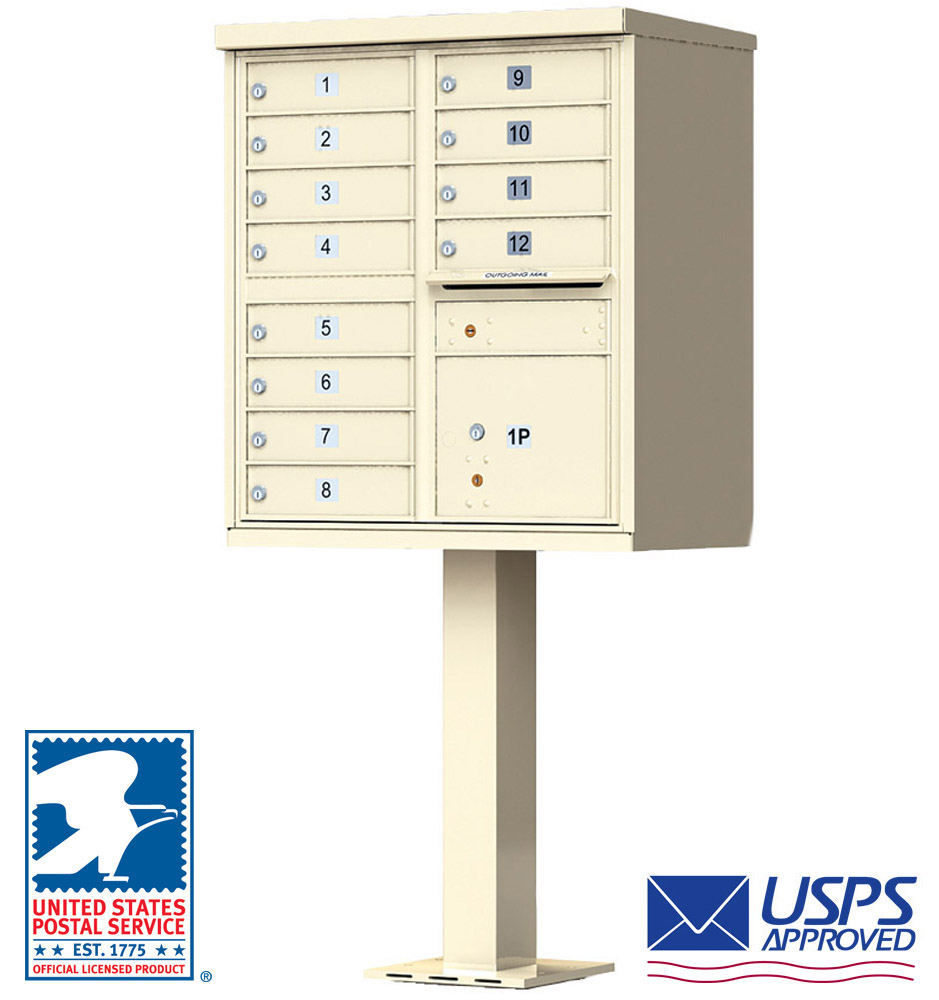
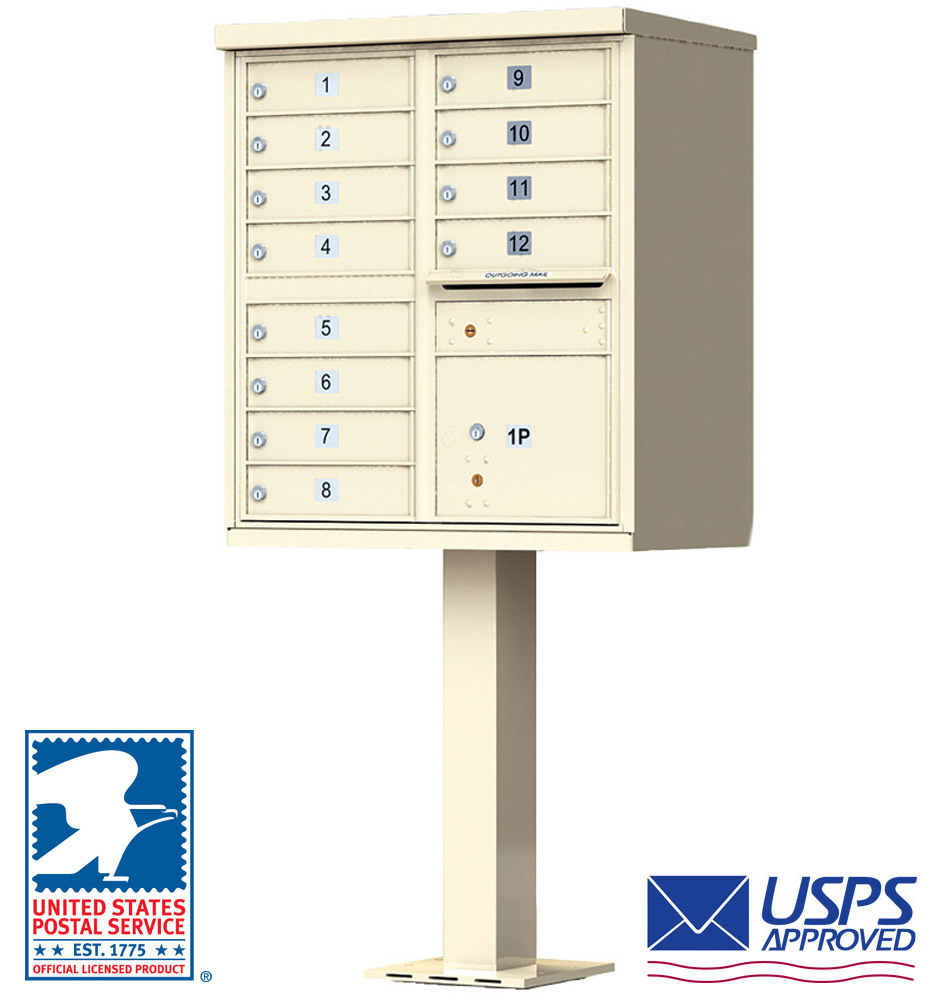
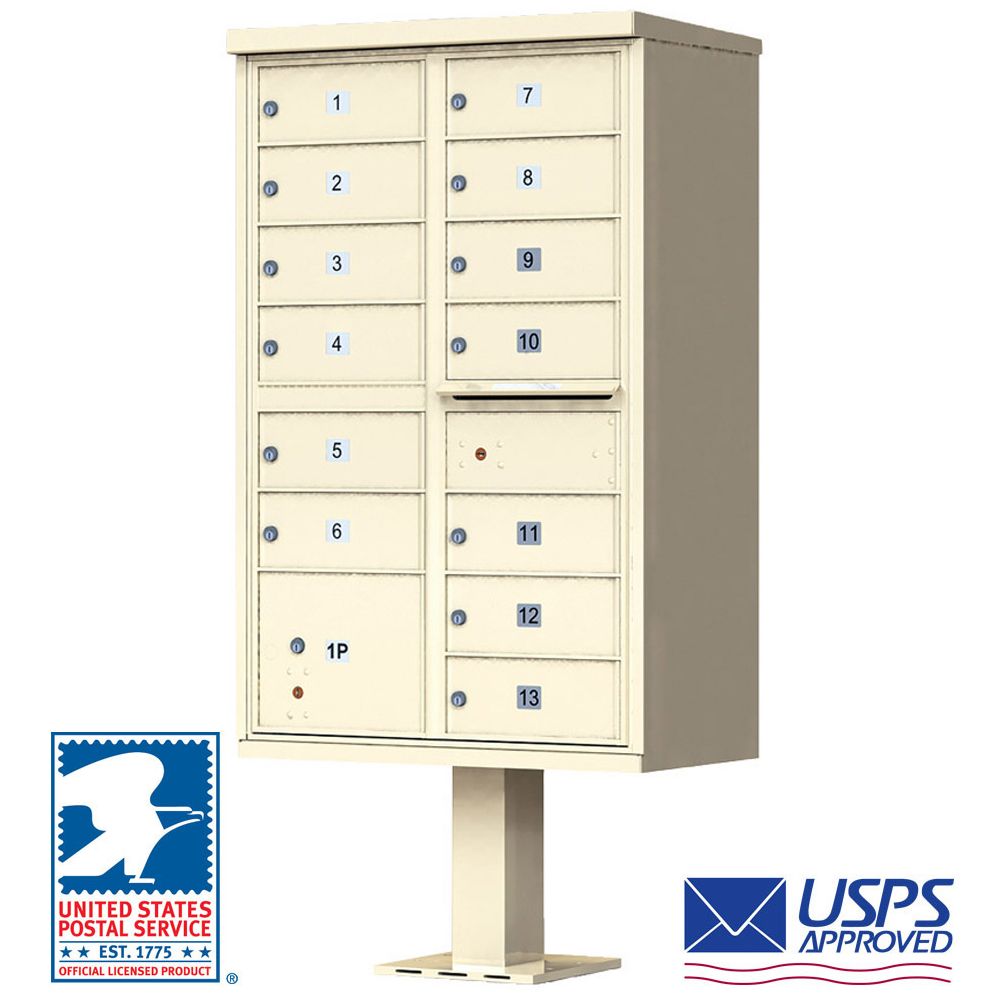
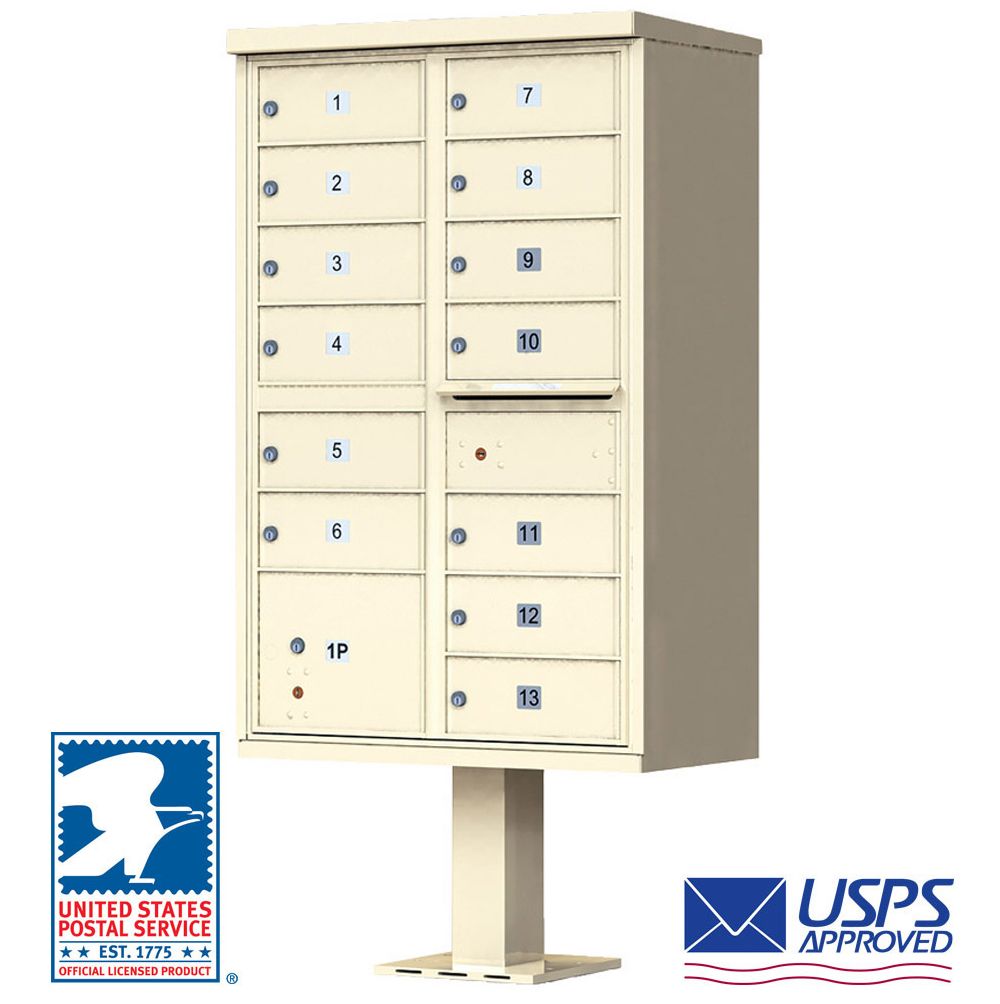
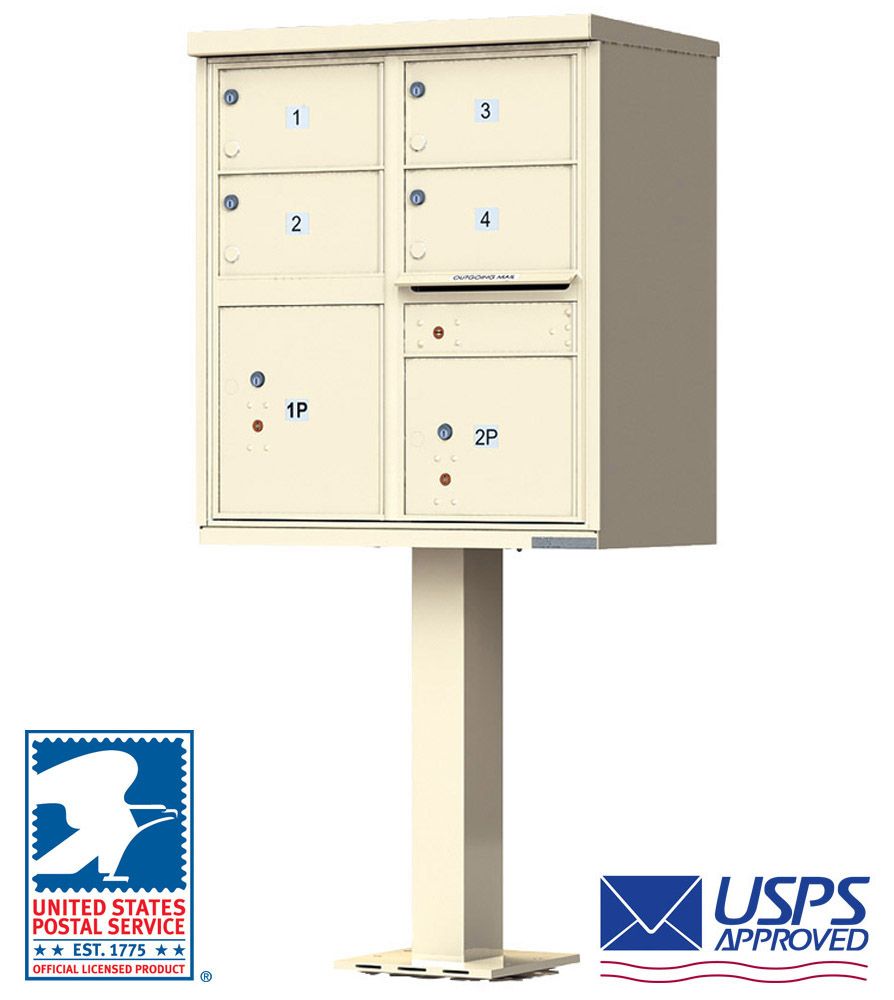
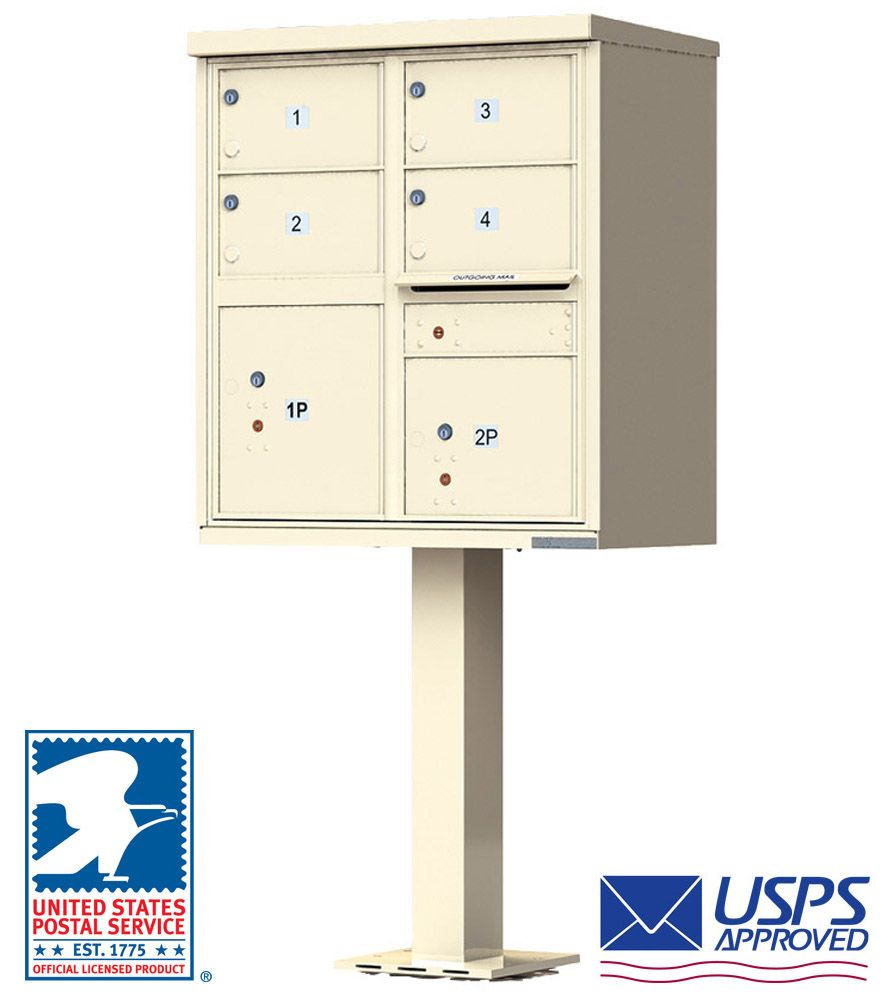
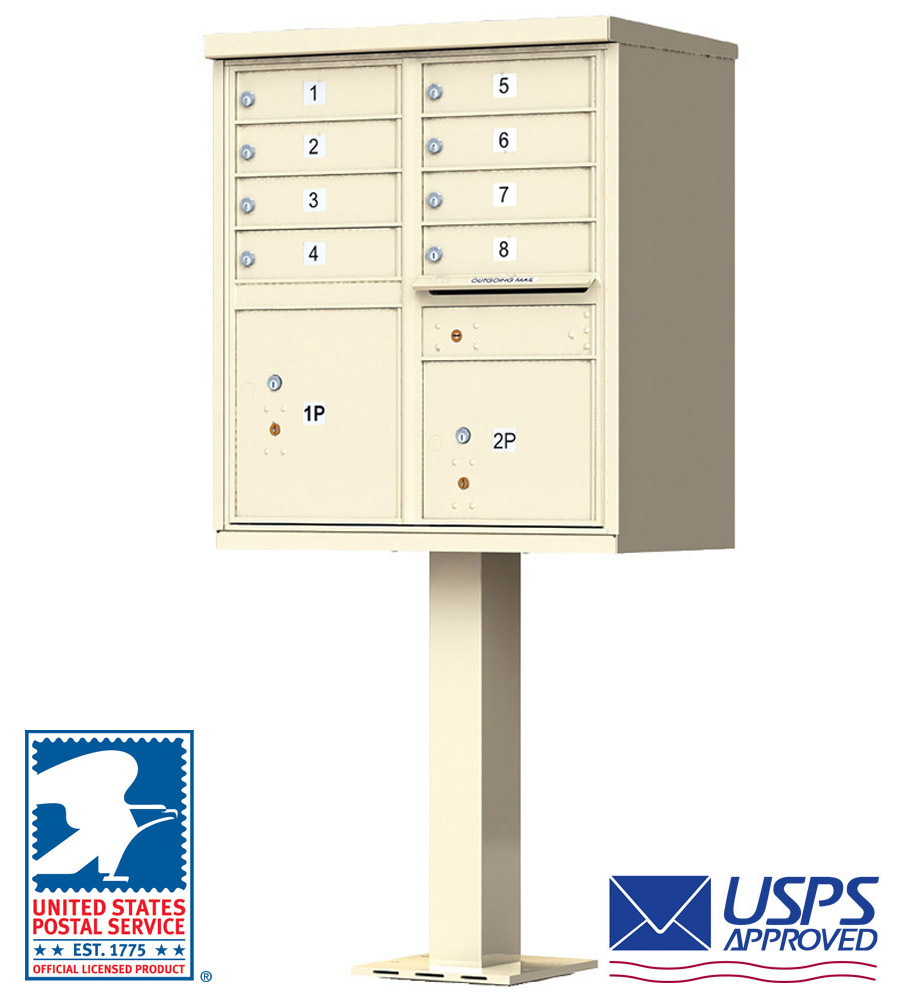
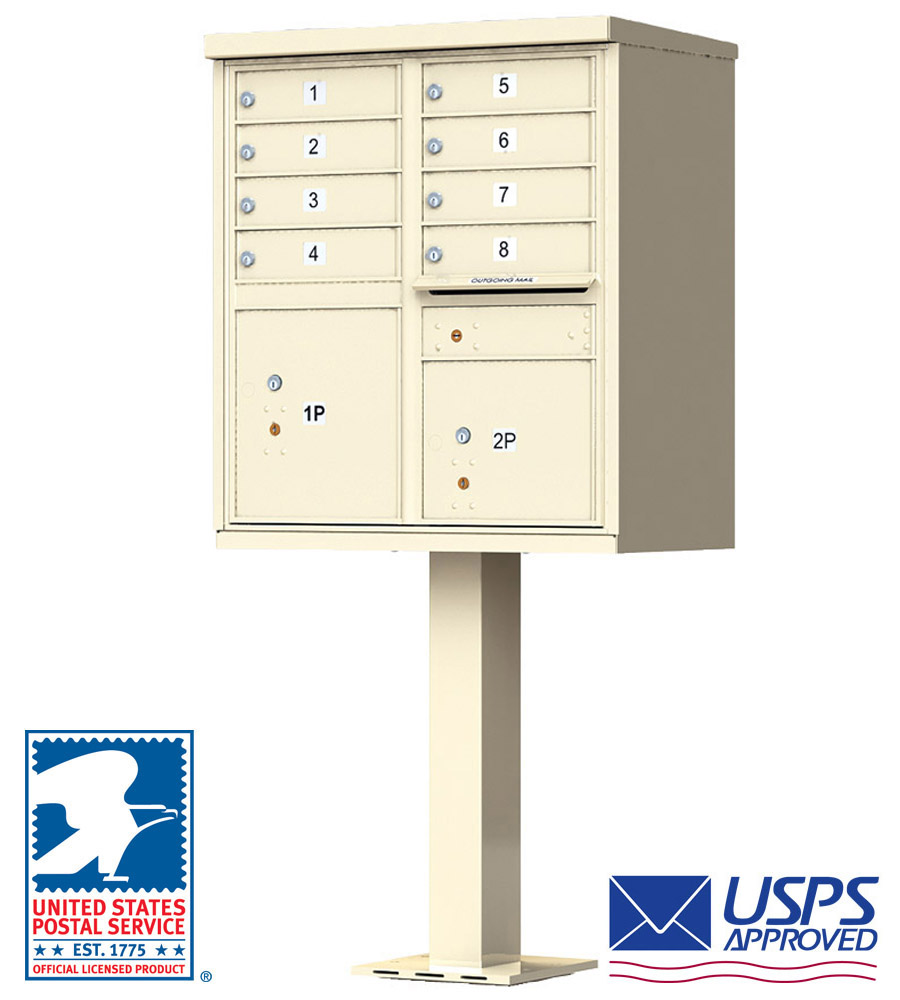
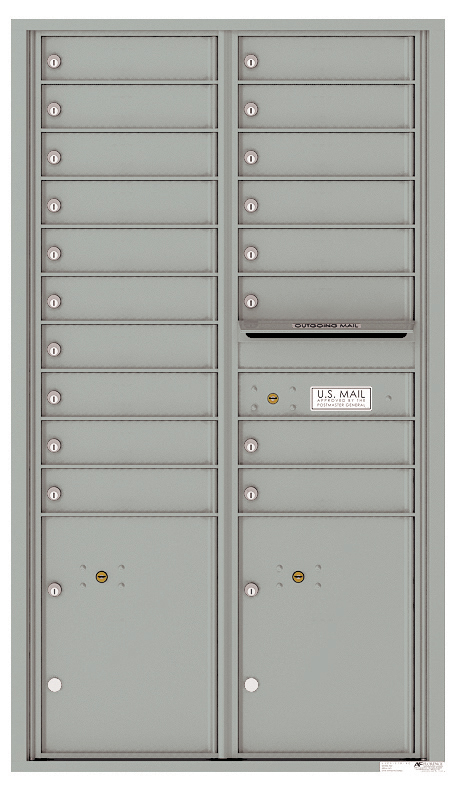
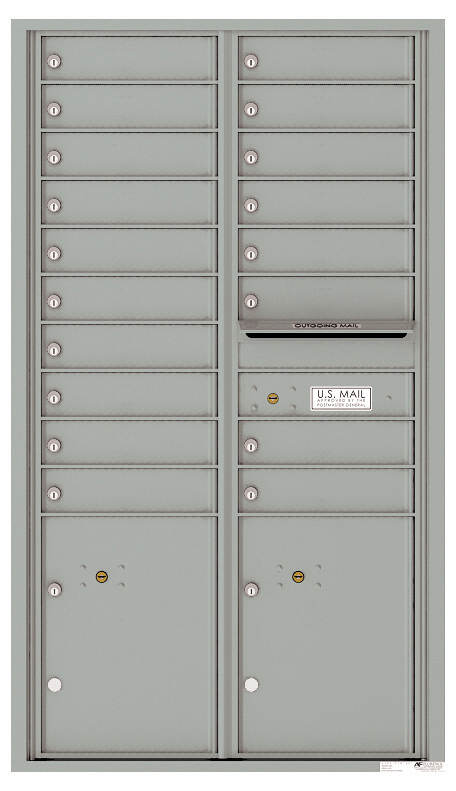
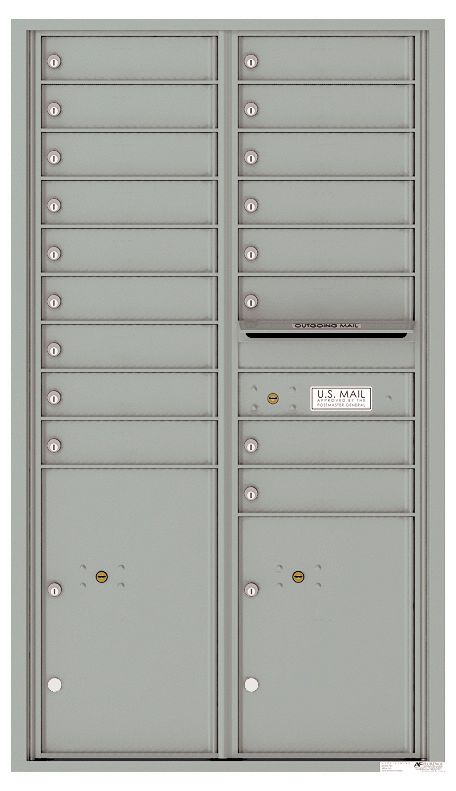
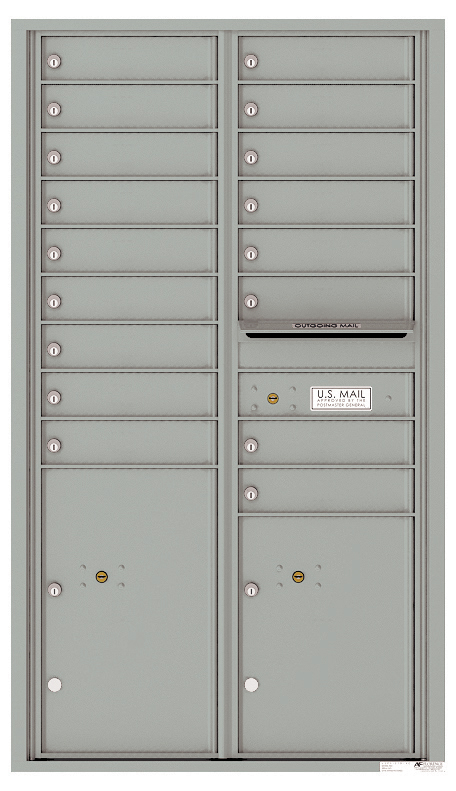
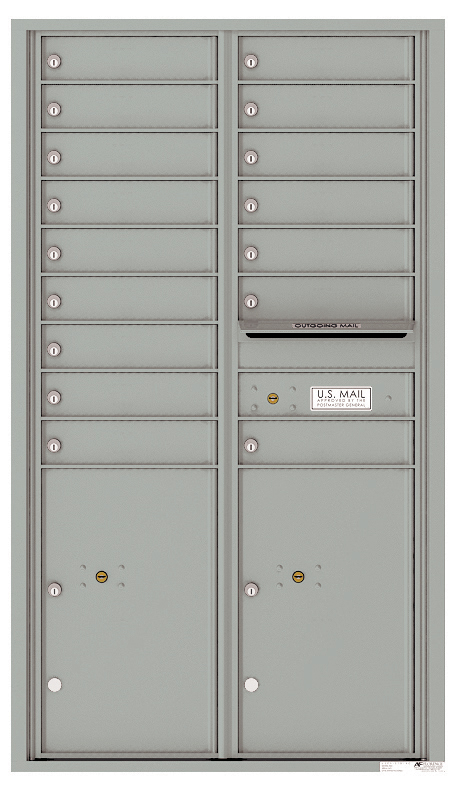
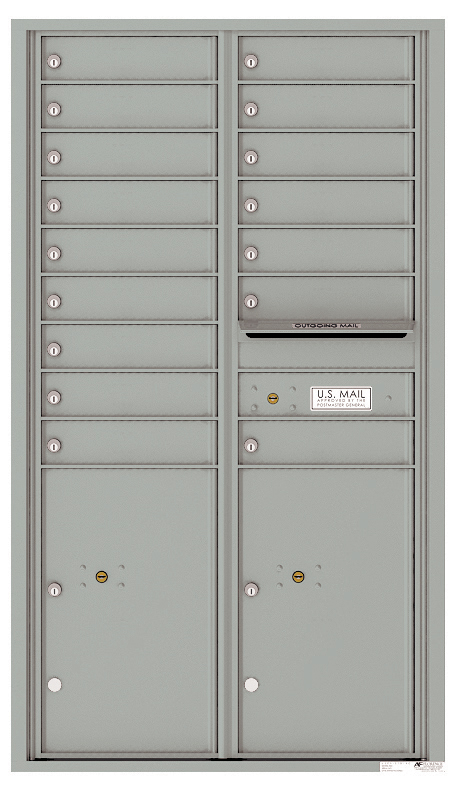
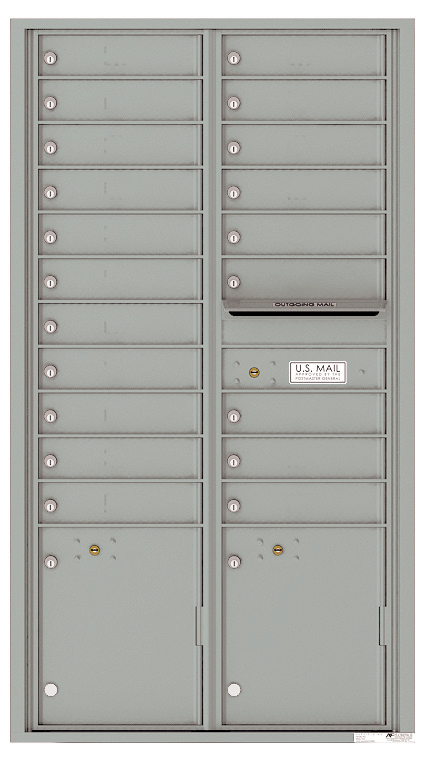
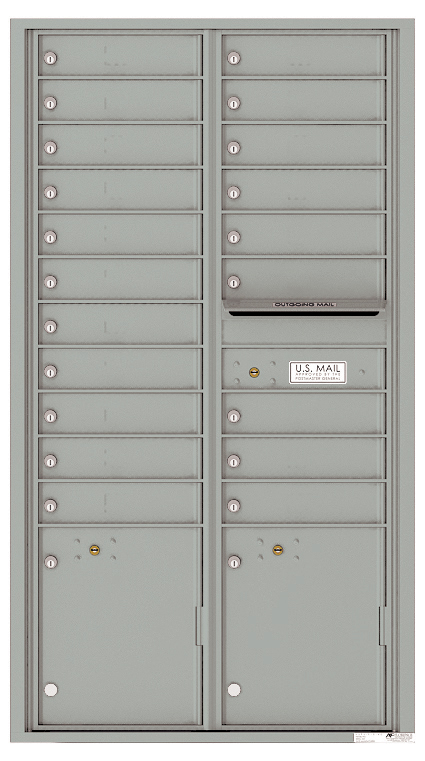
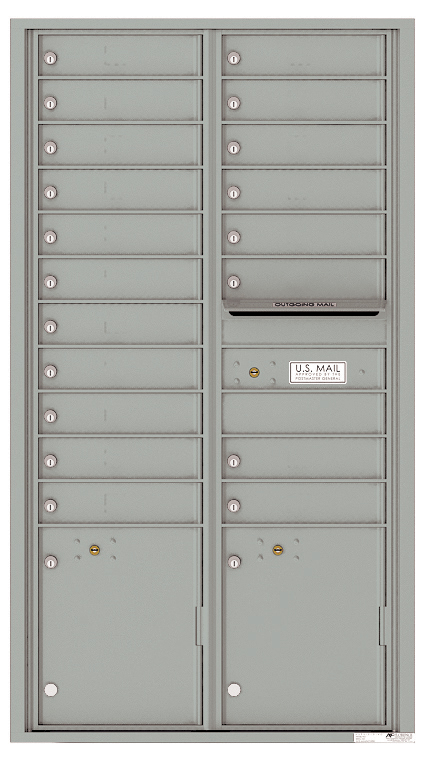
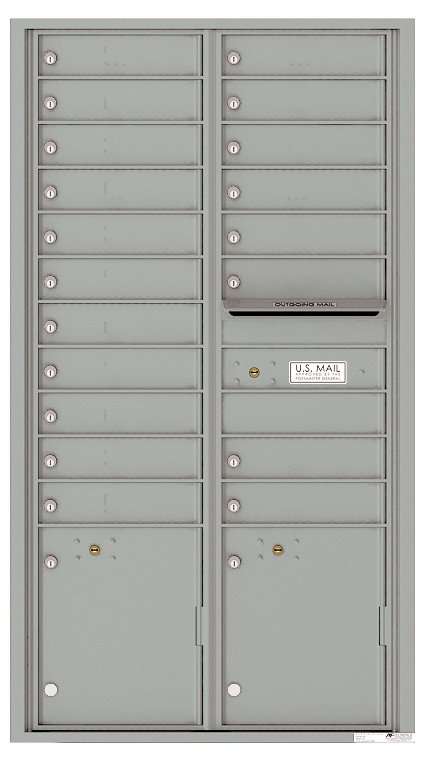
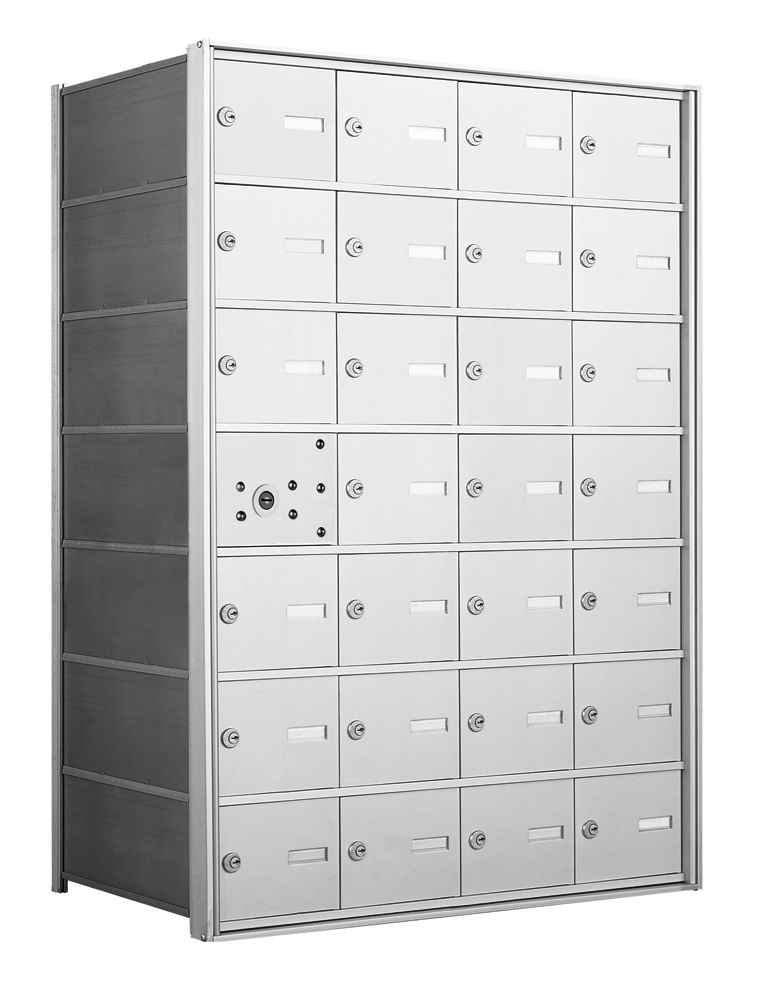
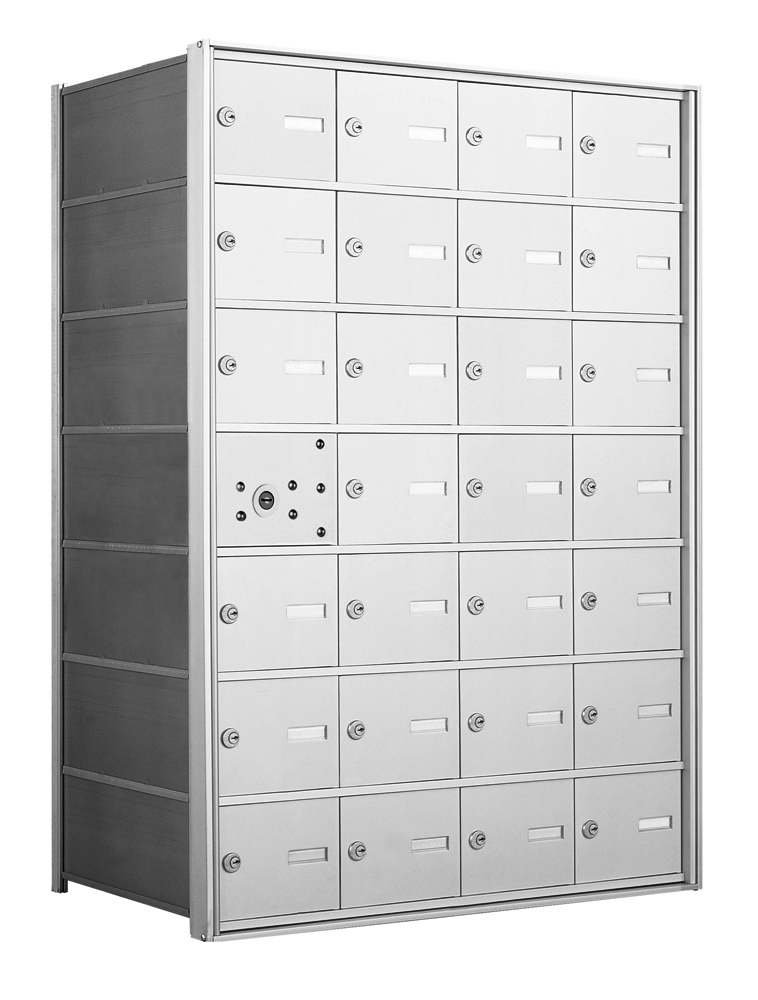
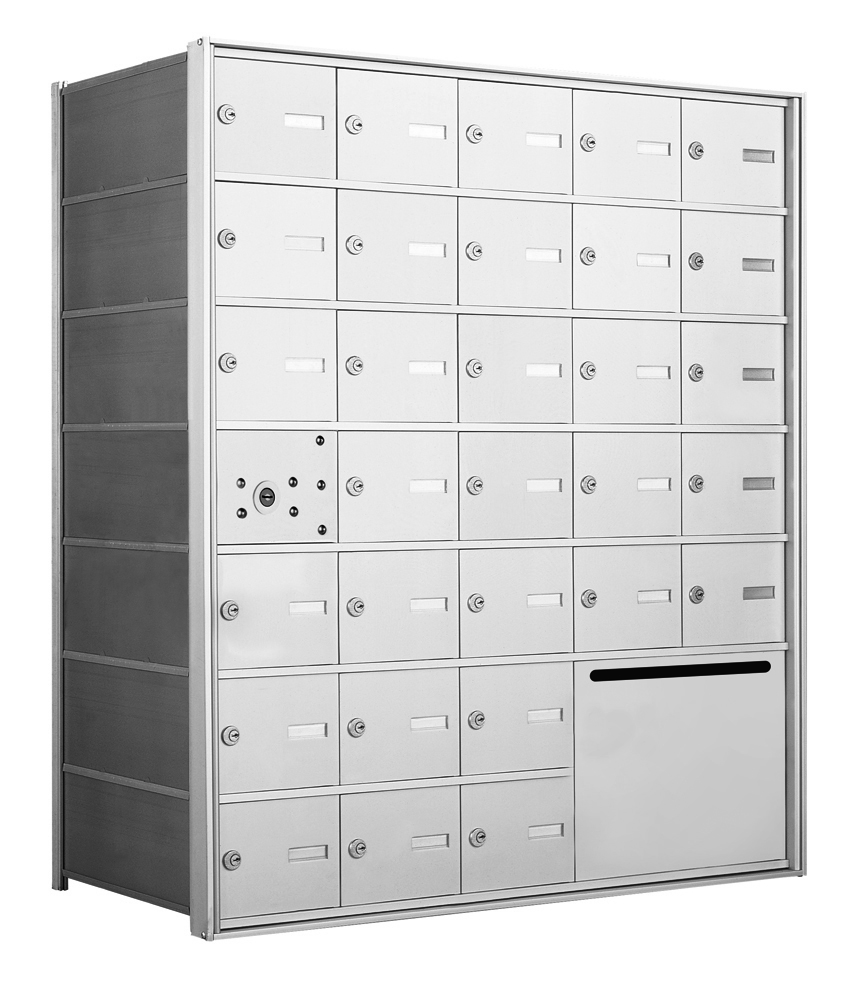
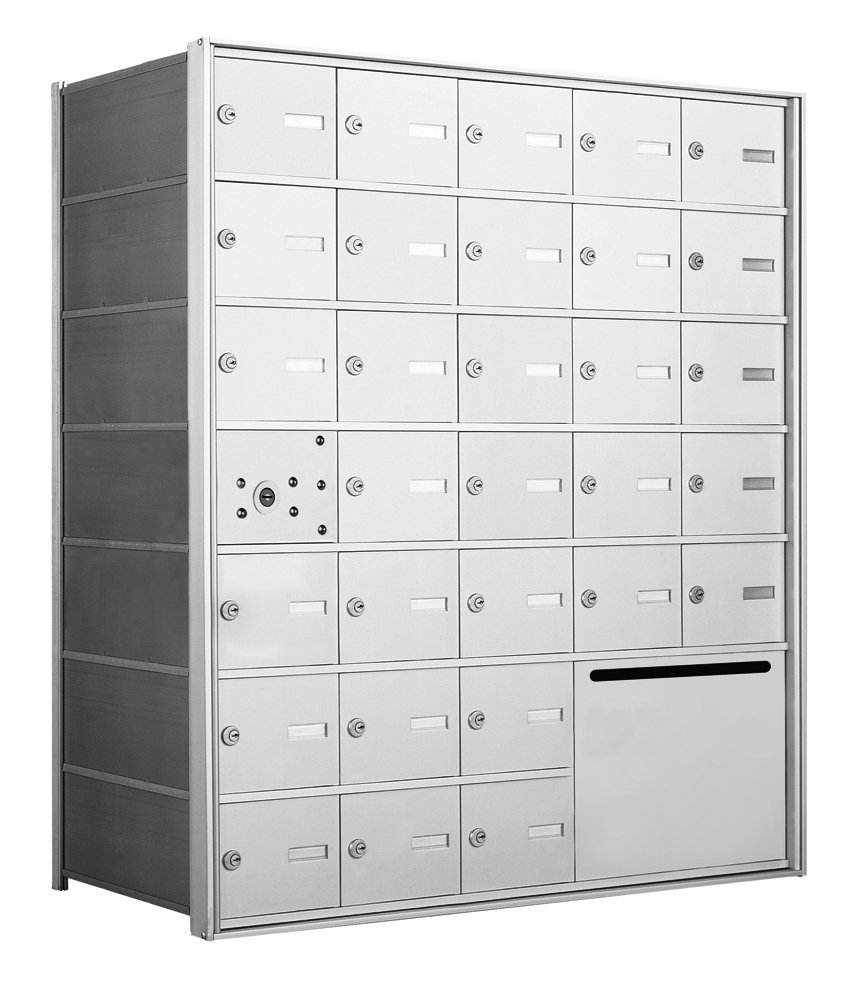
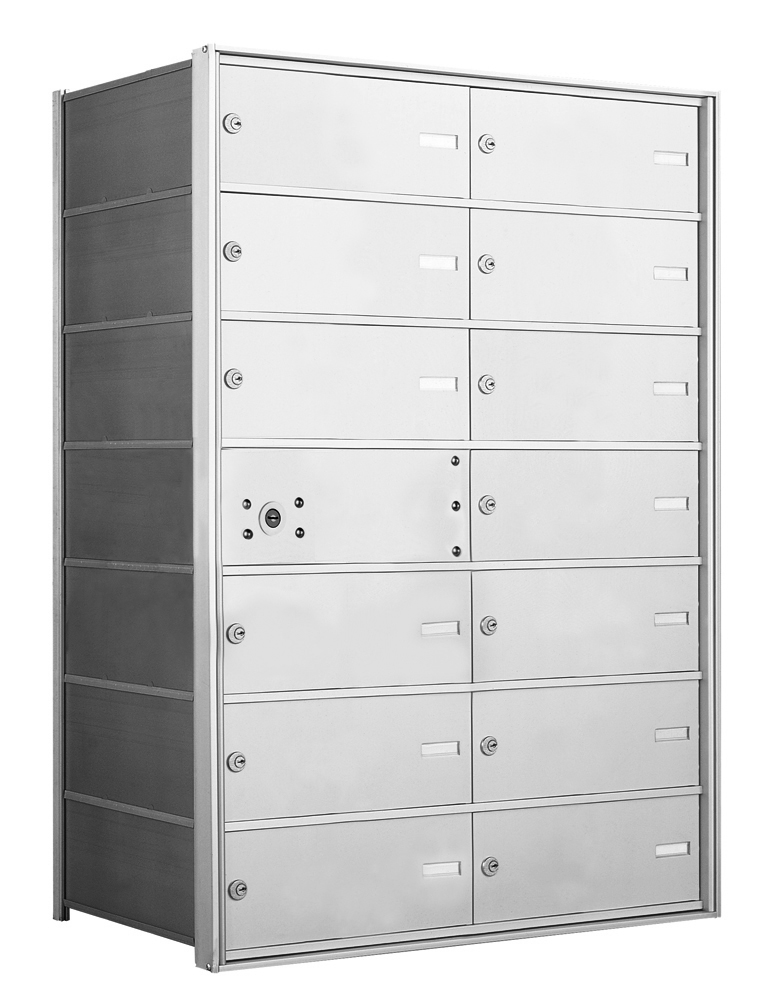
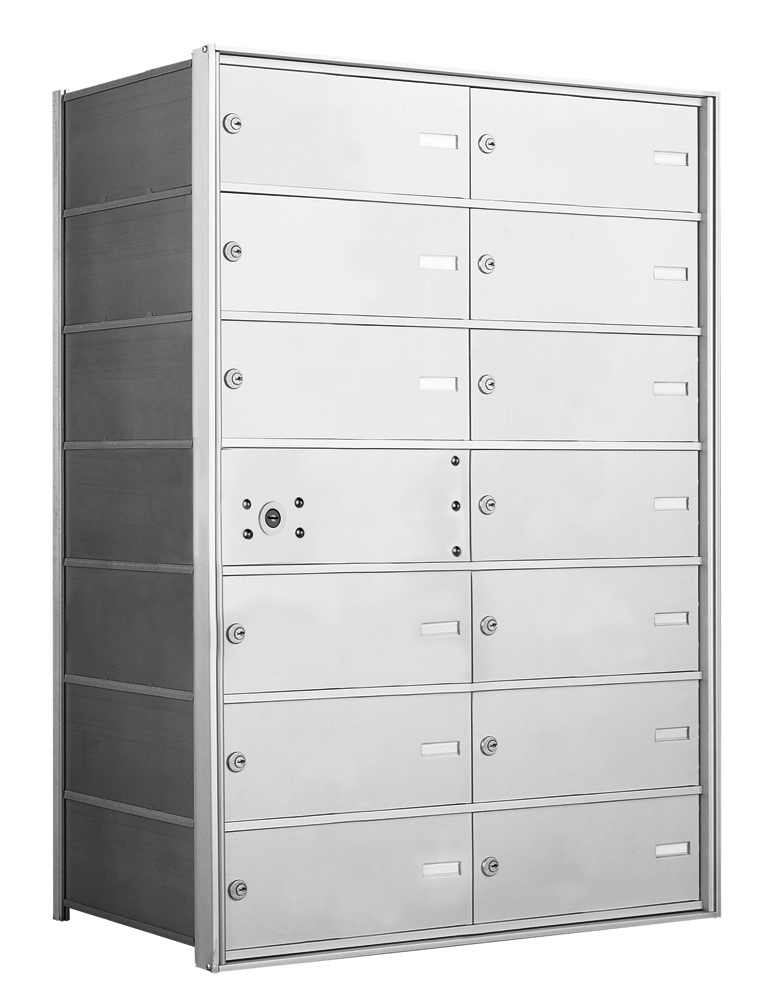
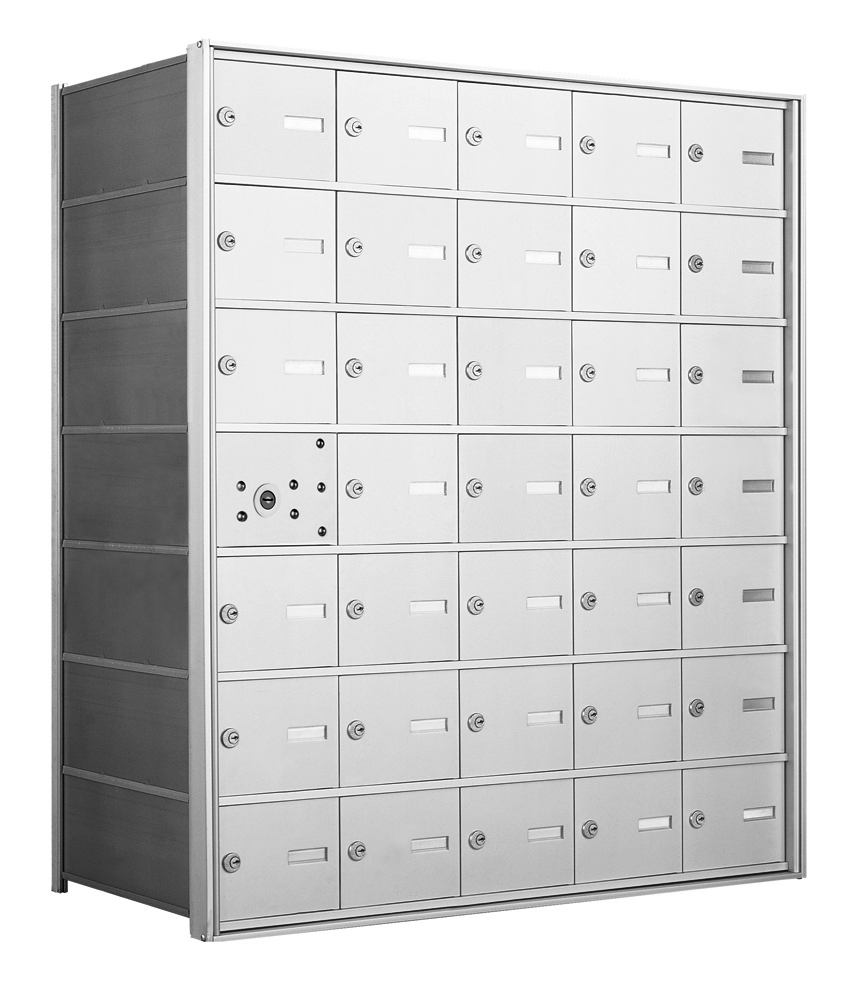
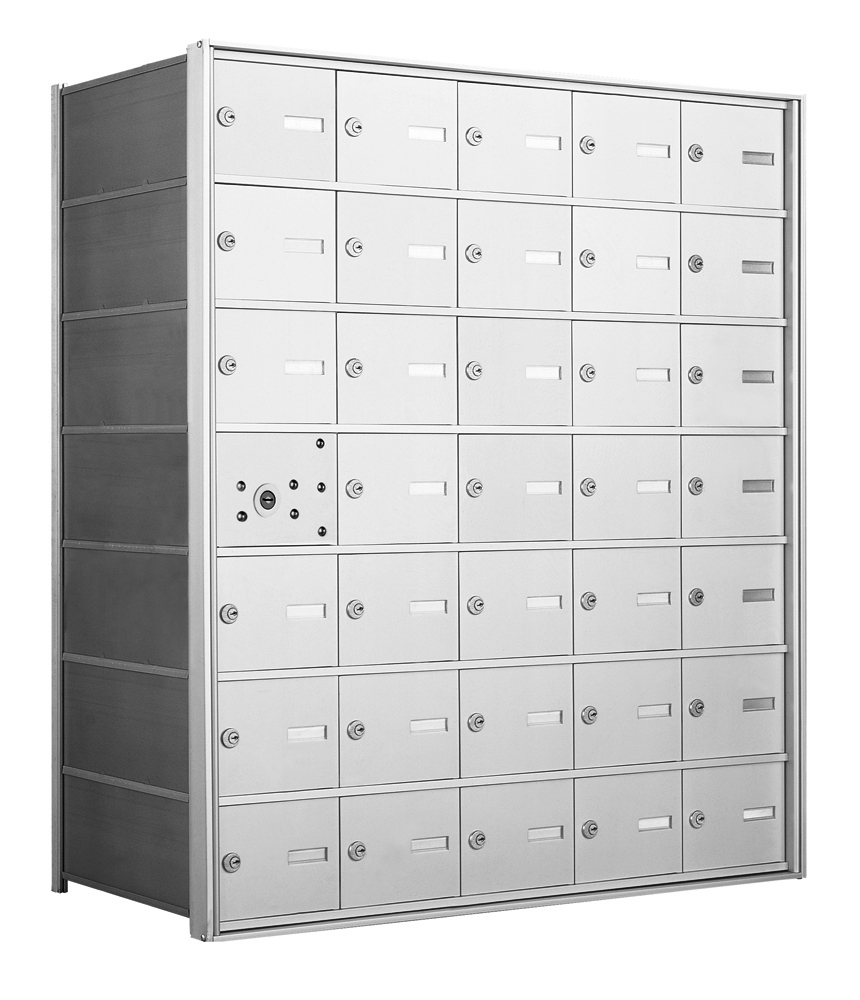
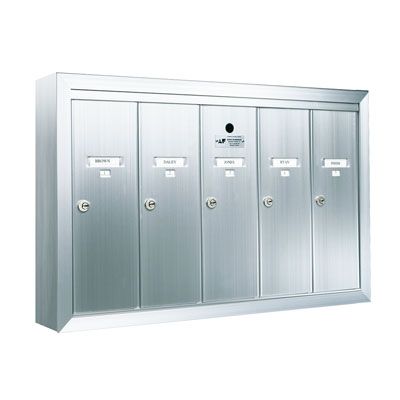
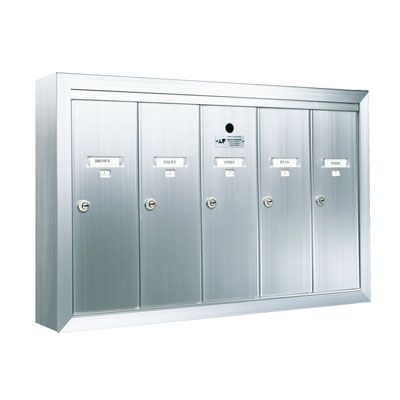
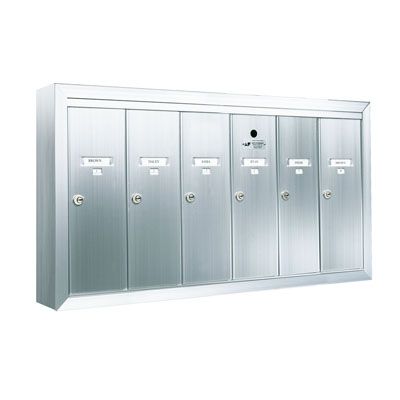
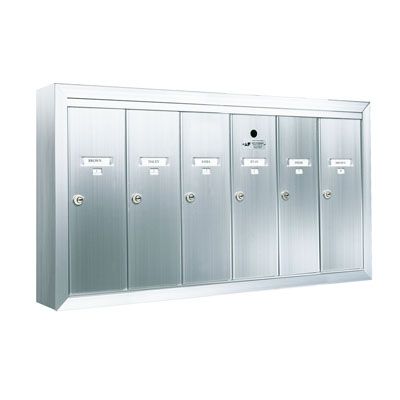
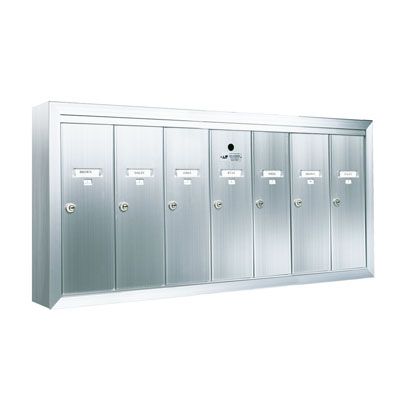
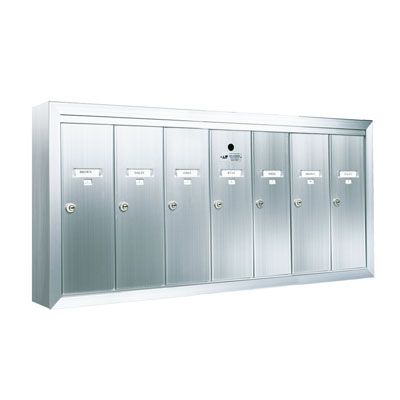
Community mailboxes centralize mail delivery for multiple recipients at one location. The term most commonly refers to cluster box units (CBUs): USPS-approved structures that combine individual tenant compartments, parcel lockers, and an outgoing mail slot on a single pedestal. Vertical mailboxes serve the same purpose in some multi-tenant buildings.
Why Communities Choose a Community Mailbox System
Security Benefits of Community Mailboxes
Each tenant compartment uses an individually keyed cam-lock. Parcel lockers add a second containment layer for oversized deliveries. Units near lighting and camera coverage cut tampering risk further.
Parcel Lockers: How Package Delivery Works in a CBU
Here's how the parcel locker workflow runs: the carrier places a package inside an available locker, then drops the retrieval key into the recipient's tenant compartment. A key-retention system prevents residents from removing that key permanently, and the compartment resets for the next delivery.
USPS-Approved Community Mailbox Requirements (What You Must Know)
Are Cluster Mailboxes Required for New Construction?
CBUs are commonly required for new residential subdivisions in many USPS districts. Builders should treat CBU installation as the default and confirm the local requirement early in site planning. Finding out late creates expensive delays.
ADA & Placement Considerations for Community Mailboxes
ADA reach-range guidelines apply to door hardware height and approach clearance. The access path needs to be paved, level, and clear year-round. Build weather protection and adequate lighting into the site plan from the start.
Types of Community Mailboxes: Choose the Right Fit
Decorative Community Mailboxes (Upgraded Aesthetics)
Decorative CBUs suit HOA boards and master-planned communities where the mailbox station must match signage, landscaping, or an architectural palette. The USPS compliance doesn't change. The aesthetics do.
Outdoor Parcel Lockers as an Add-On or Standalone
When package volume outpaces a standard CBU parcel locker bank, a dedicated parcel locker column solves it. Apartment complexes, shared amenity areas, and high-delivery communities add them alongside an existing CBU or install standalone. No full replacement needed.
Indoor Mailbox Alternatives (4C and Replacement 4B)
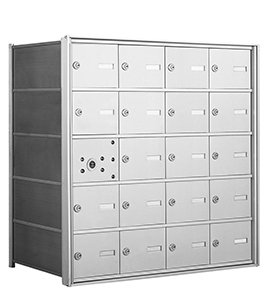
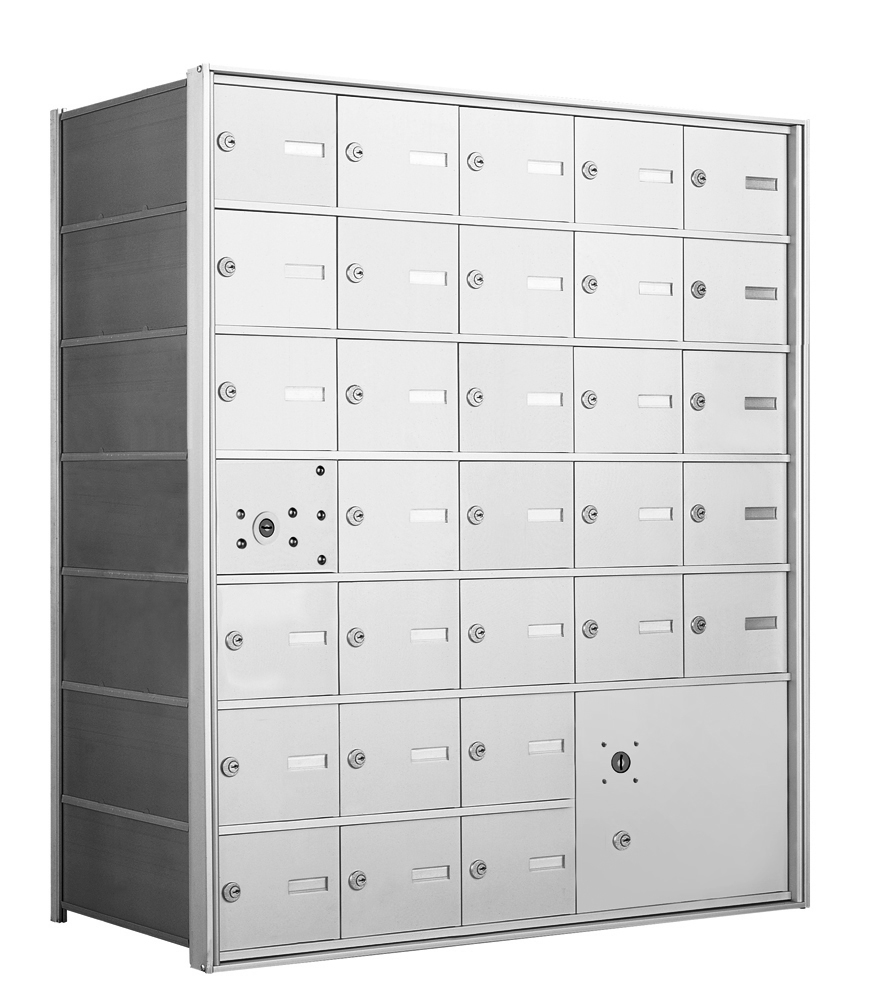
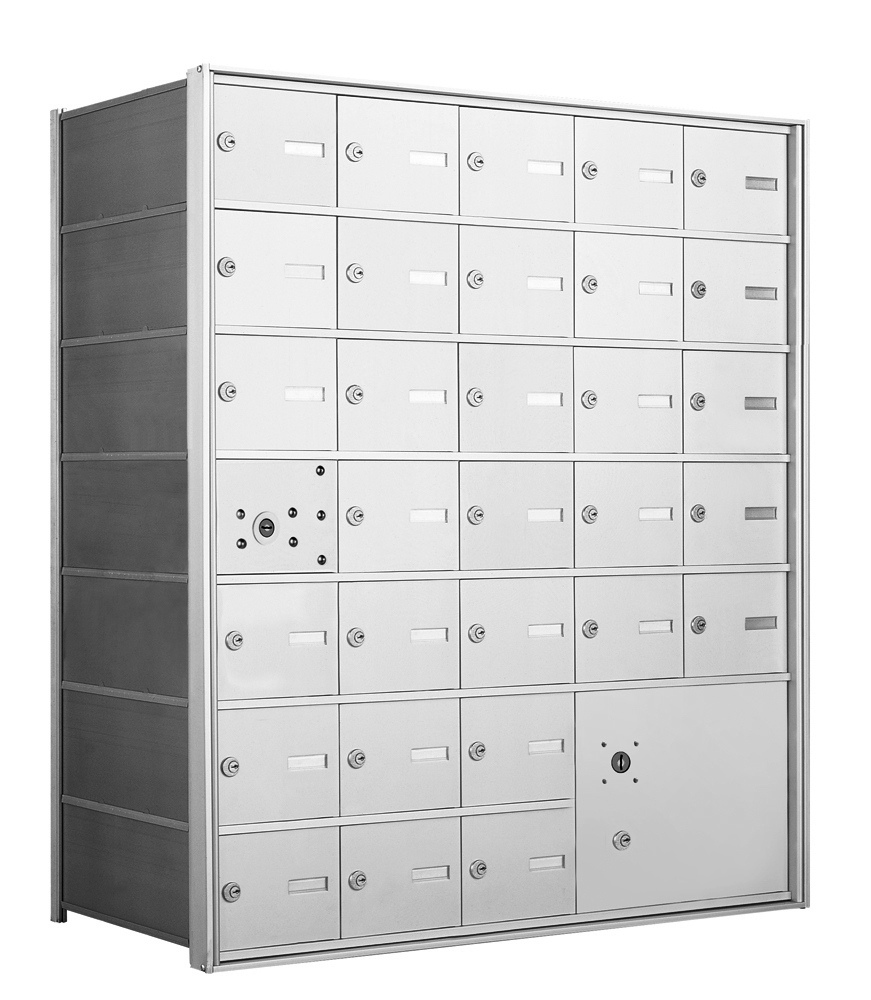
4C horizontal mailboxes are the current USPS standard for indoor new construction: configurable modules, integrated parcel compartments, lobby and corridor ready. 4B units are the replacement standard for existing buildings where original 4B hardware is already installed.
How to Size a Community Mailbox?
Sizing comes down to two numbers: total residential units served and expected daily package volume. Size for current occupancy and build in headroom. A development at 80% build-out today fills to capacity faster than most buyers expect.
Common Configurations for Neighborhood Cluster Mailboxes
Common starting configurations to work from:
8-door CBU: Small clusters or shared private driveways.
12 or 13-door CBU: Mid-size cul-de-sacs and smaller HOA blocks.
16-door CBU: Larger subdivision blocks.
Parcel lockers: Most units ship with 1 to 4. Match locker count to package delivery frequency.
Confirm final sizing with the manufacturer or your local postmaster.
Installation Overview: What to Expect (Outdoor and Indoor)
Outdoor CBU installation requires a concrete pad, correct pedestal bolt spacing, and a weather-exposed site evaluated for drainage and sun orientation before anchoring. USPS coordination for arrow lock installation on the carrier door is required before the unit goes live. Indoor 4C needs rough-in dimensions confirmed before wall framing. Both formats require site access pre-cleared with the local post office.
USPS Access vs. Private Access Community Mailboxes
The access type decision happens before anything ships:
USPS-serviced units use an arrow lock on the carrier door, and only USPS holds that key.
Private-access units use a separate lock cylinder managed by the property owner.
Carrier door hardware differs between the two. Specify access type at the time of order.
Ownership, Responsibility, and Community Mailbox Keys
Who Is Responsible for Cluster Mailbox Maintenance and Repairs?
USPS-owned: the post office maintains carrier-access components. Builder- or HOA-owned: the property owner covers repairs and re-keying. Confirm the arrangement with your local postmaster before the pedestal goes in the ground.
Lost Community Mailbox Keys: What to Do
Residents who lose a tenant key start with their property manager or HOA. USPS-owned units: the post office handles replacement and sets timeline and cost expectations. Property-owned units: the owner arranges re-keying through a locksmith or the original manufacturer.
Durability and Security Features to Look For
Three things determine long-term performance:
Body construction: CBU bodies use powder-coated steel rated for outdoor exposure.
Lock grade: Tenant doors use cam-lock cylinders; USPS-serviced carrier doors use arrow locks. Both should come from the manufacturer.
Finish durability: Darker finishes mask weathering better at high-exposure sites.
Available finishes include Black, White, Sandstone, Dark Bronze, Postal Grey, Forest Green, Silver Speck, Gold Speck, Antique Bronze, and Anodized Aluminum. Finish choice affects aesthetics, street visibility, and long-term maintenance requirements. Lighter finishes suit HOAs with strict palette requirements; darker finishes hold up better at coastal or high-sun sites.
 Request Quote