Four decisions drive the right front door mailbox choice: mount type, size, security, and material. Here's what to compare:
Step 1: Pick the Mount Type (Wall-Mount vs Post-Mount vs Slot)
Three mount types cover most front-door setups:
OWall-mount: Attaches to an exterior wall near the entry. Best for walk-up delivery where the carrier reaches the porch.
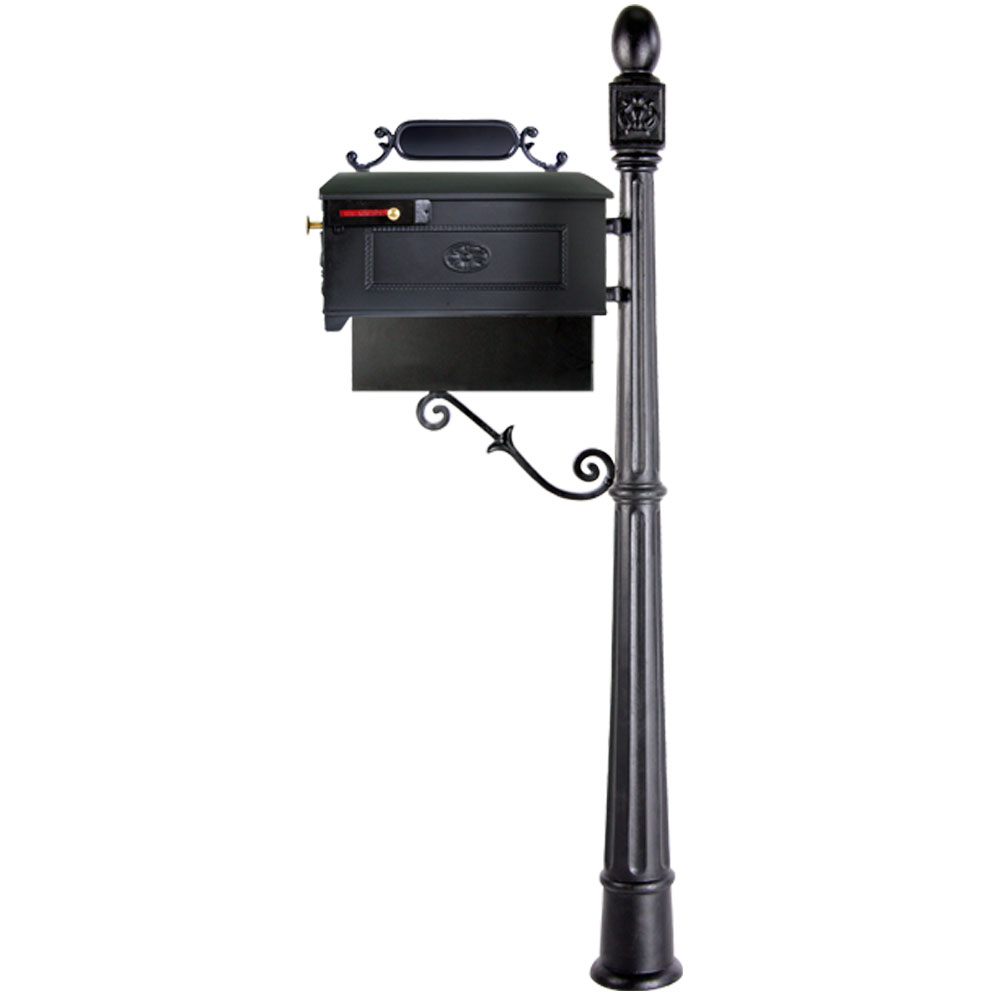
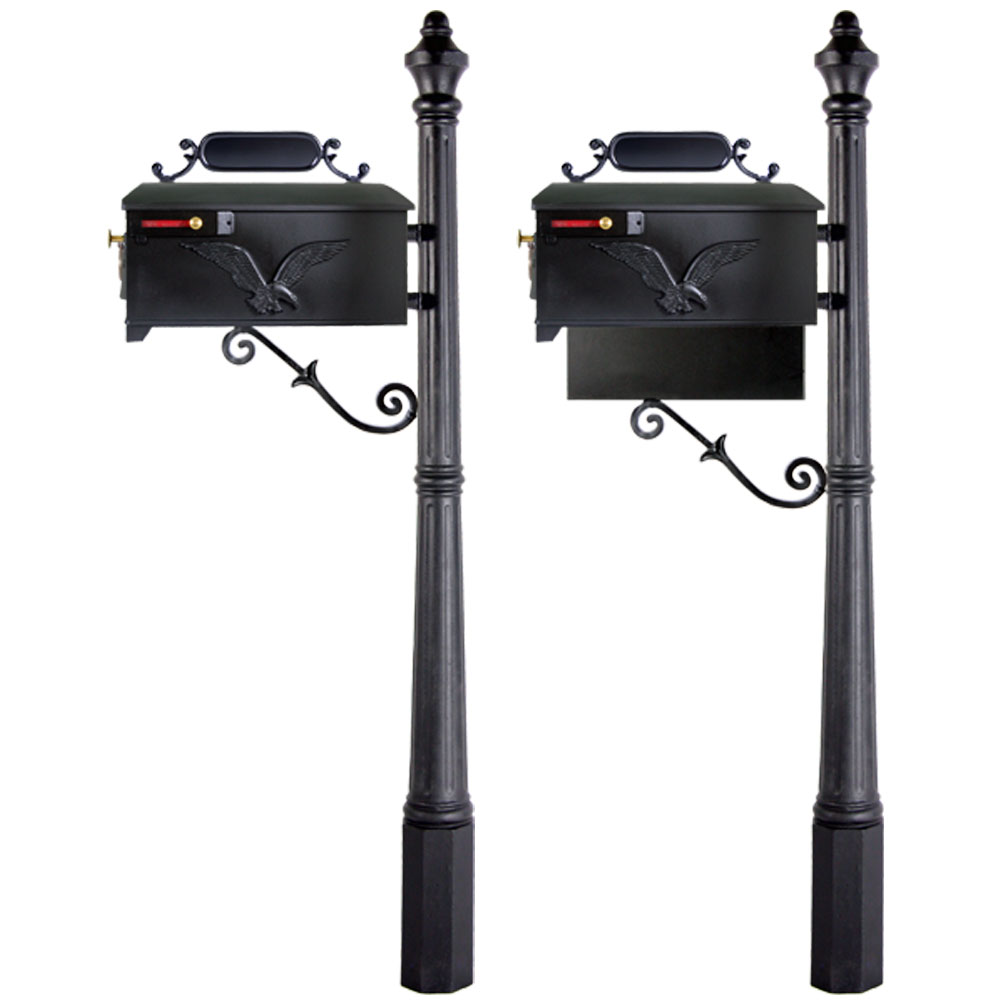
OPost-mount: Set at the curb or driveway edge. Used when USPS delivers roadside rather than to the door.
OMail slot: Installed through the door or wall. Handles lightweight daily mail with no parcel capacity.
Step 2: Choose the Right Size & Capacity
Mailbox size should match how much mail arrives between pickups. Here's how configurations break down:
OSingle: Handles letters, flat envelopes, and most magazines for standard residential delivery.
ODouble and triple: Suit multi-unit properties and shared driveways without requiring separate posts.
OLarge-capacity: Suits homes that receive small parcels or accumulate mail over several days
Post-mounted styles serve curbside and private road delivery where carriers don't approach the entry. Buyers on private roads confirm delivery method with their carrier before selecting a mount type.
Step 3: Decide on Security (Locking vs Non-Locking)
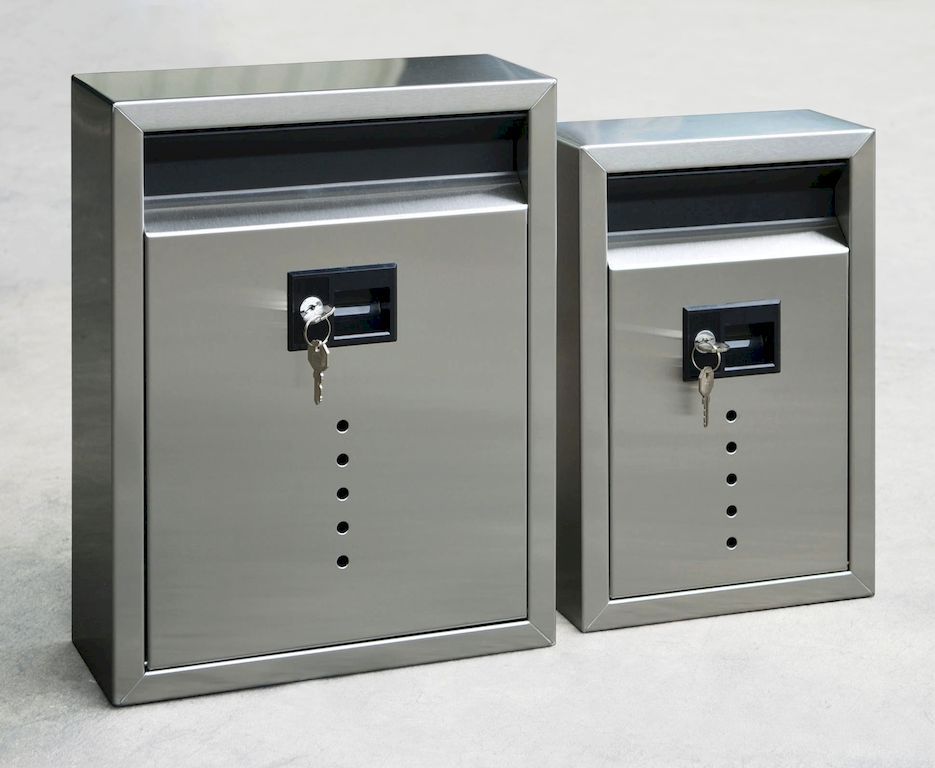
Locking mailboxes protect against mail theft and keep outgoing mail secure until carrier pickup. A key-drop or deposit-slot design lets carriers deposit mail without a key; only the homeowner accesses the retrieval door. Buyers in urban areas, shared hallways, or high-delivery homes benefit most from a locking model.
Types of Front Door Mailboxes
Front door mailboxes come in several formats. Knowing the differences helps buyers choose the right fit for their delivery setup.
Wall-Mounted Mailboxes
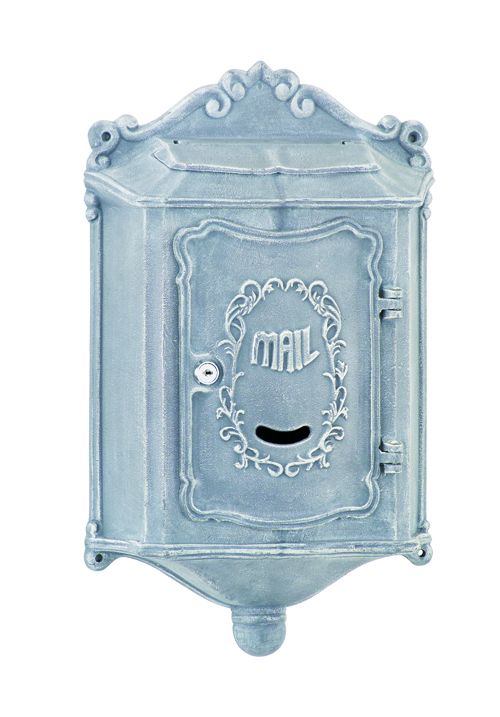
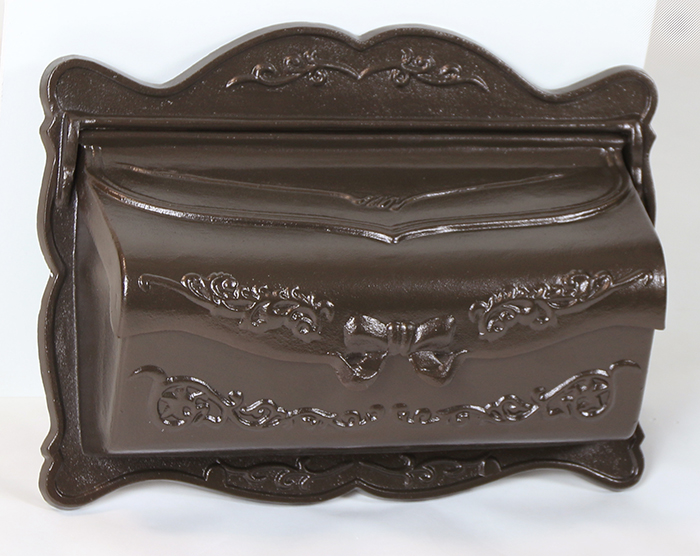
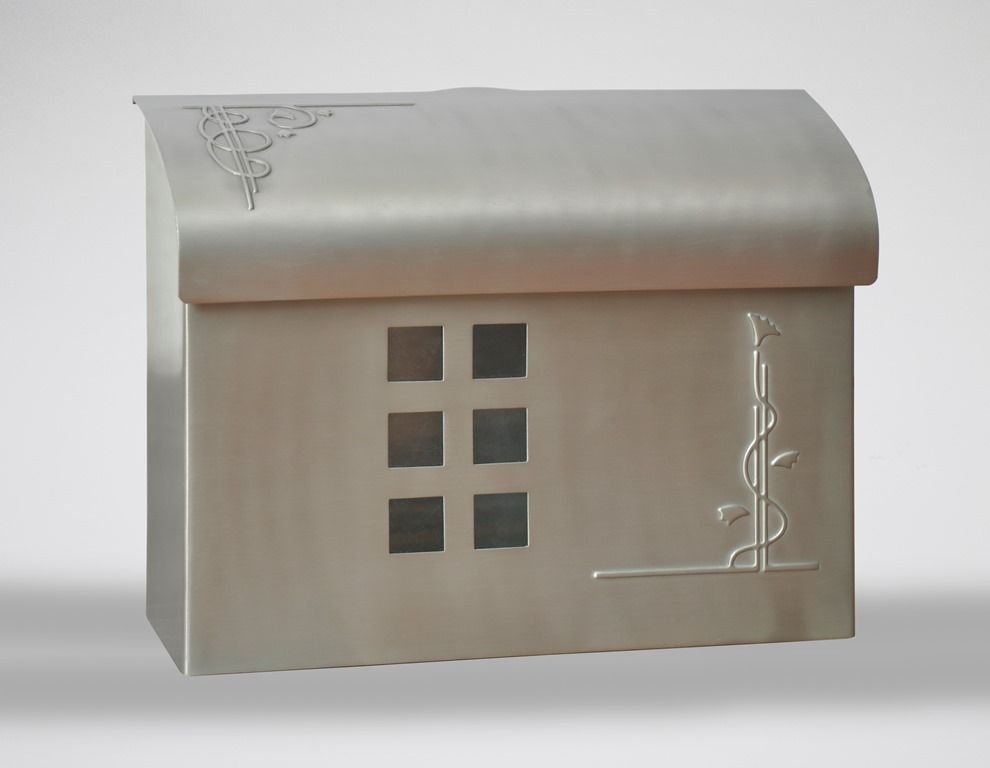
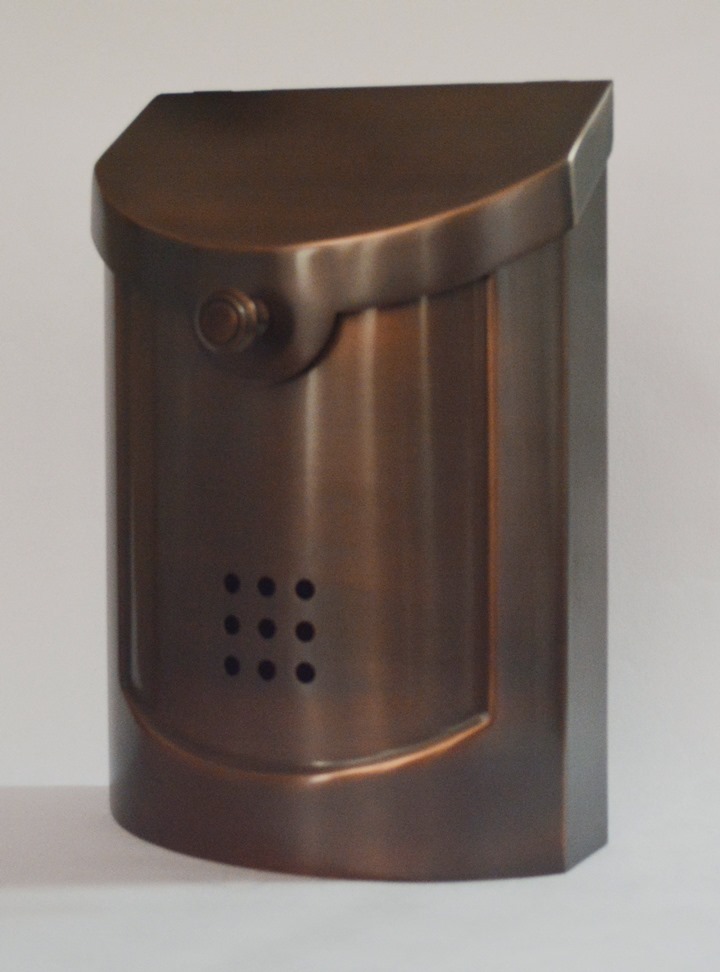
Wall-mounted mailboxes are the default front-door format. Homeowners mount them on an exterior wall or porch column near the entry. Most feature a flip-top or front-access door, an optional outgoing mail flag, and a newspaper compartment on select models.
Locking Wall-Mount Mailboxes (Anti-Theft)
Locking wall-mount models come in two access styles: deposit-slot designs accept incoming mail through a narrow slot while a keyed door controls retrieval, while full-door access models require a key for both. Buyers in higher-theft neighborhoods or shared entryways choose locking formats for access control. Tradeoffs include reduced interior capacity and a retrieval angle that can be awkward on recessed or angled walls.
Parcel Drop Boxes & Package Delivery Mailboxes
Standard mailboxes handle letters and flat envelopes; parcel drop boxes are built for the overflow. They accept small-to- medium packages through a wide slot and secure them in a locked compartment. Buyers who receive frequent courier deliveries choose weatherproofed models with code-lock or keyed access.
Post-Mount / Curbside Mailboxes (When You Need USPS-Style Delivery)
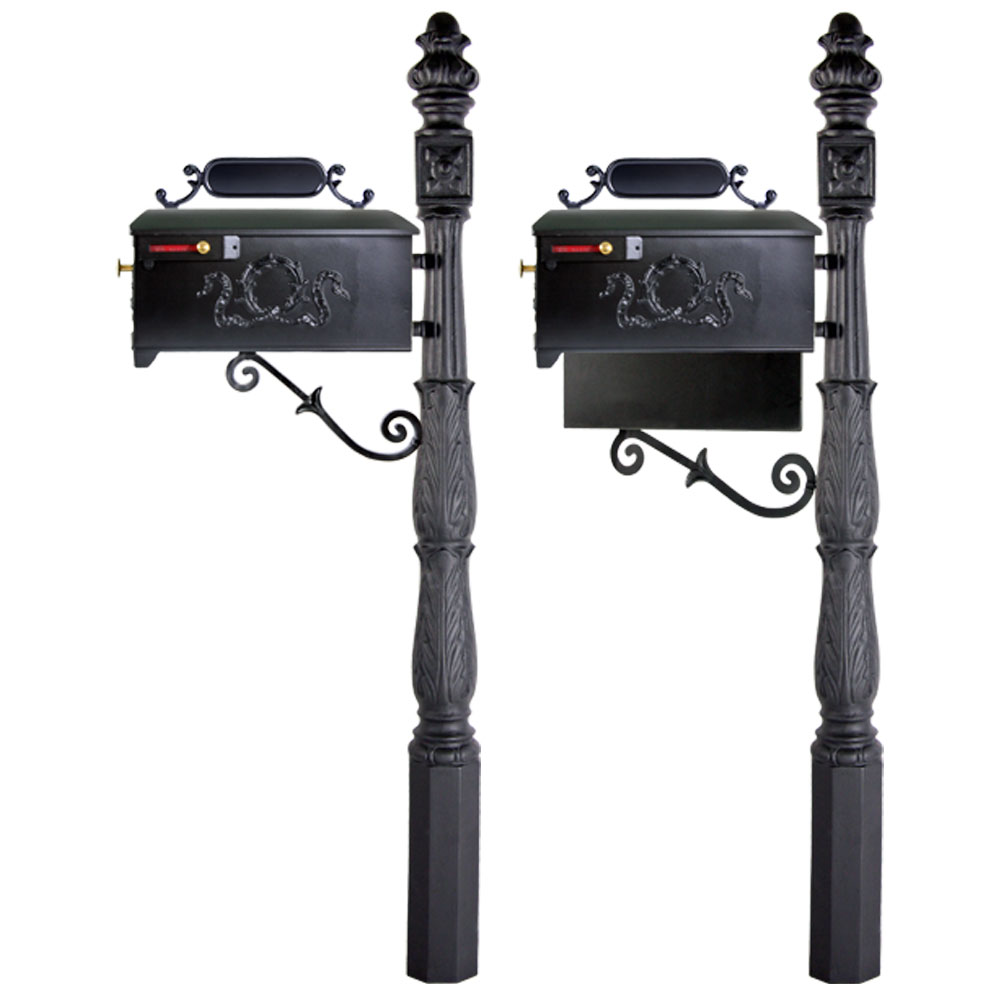
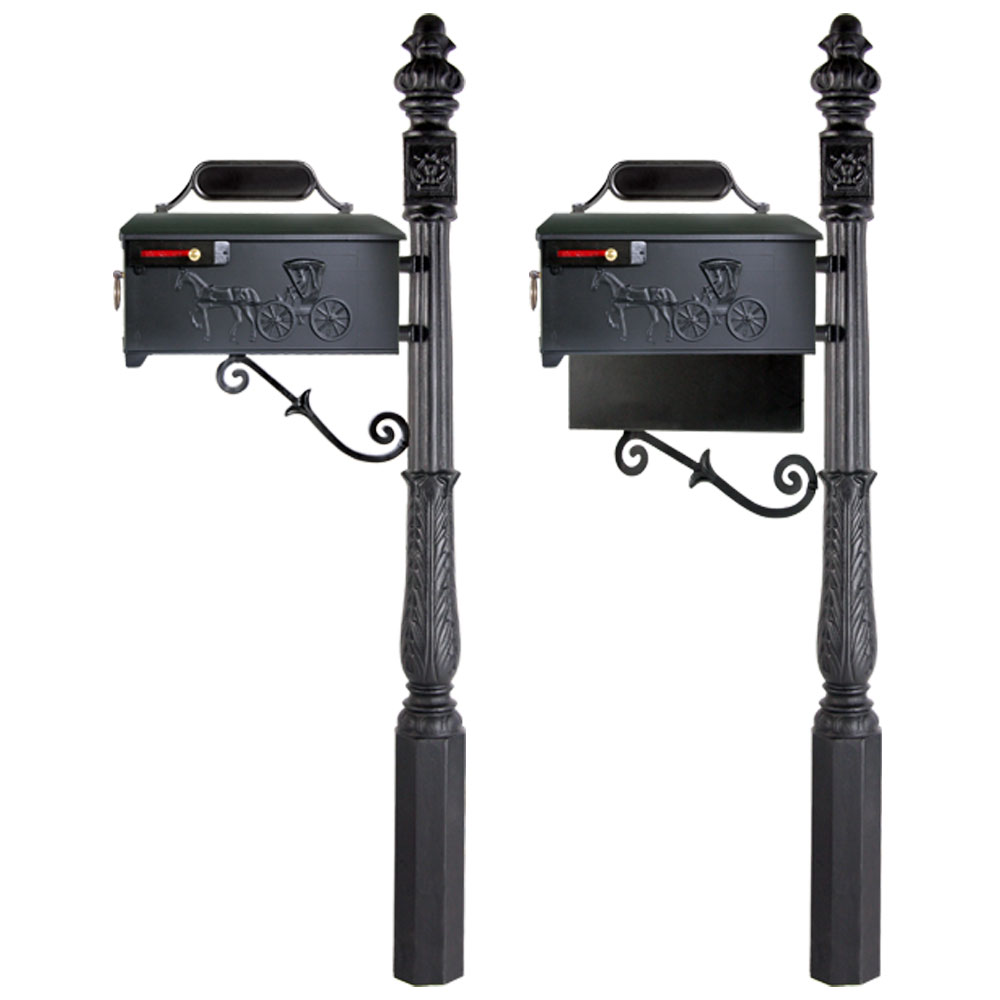
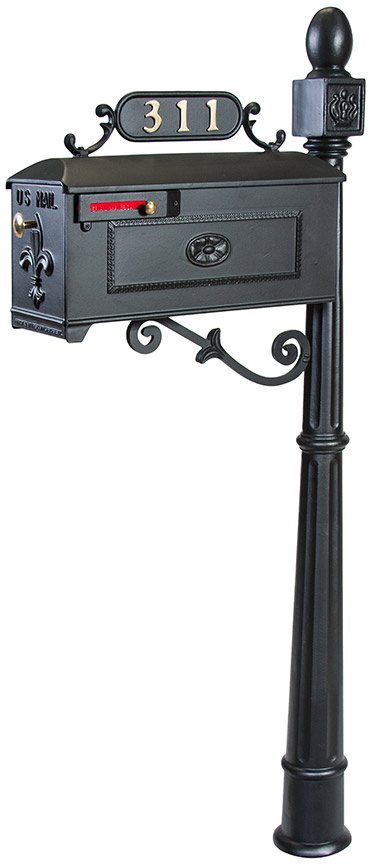
Some homes require curbside delivery based on carrier route assignments. Buyers searching for a front door mailbox sometimes find their actual setup calls for a post-mount unit instead. Post-mount mailboxes install at the curb and meet USPS residential placement standards. Confirm your delivery method with your local carrier before purchasing.
Materials & Durability: What Lasts Outdoors
Material choice determines how a mailbox performs against rain, UV exposure, and temperature swings.
Steel vs Galvanized Steel vs Aluminum vs Plastic
Each material has different trade-offs for outdoor use:
OSteel: Strong and impact-resistant. Requires a powder-coated finish to resist rust in wet climates; degrades faster near salt air or coastlines
OGalvanized steel: A zinc coating slows corrosion and fights rust in most climates. Reliable with minimal maintenance away from coastal exposure.
OAluminum: Naturally corrosion-resistant with no coating required. Homeowners in coastal or humid areas choose aluminum for low long-term upkeep.
OPlastic/resin: Lightest and most affordable. UV-stabilized options hold color longer, but impact resistance varies by wall thickness.
Weather Resistance Features to Look For
Specific design features extend mailbox lifespan in wet or variable climates. Look for these before buying:
ORain overhang or drip edge: Keeps water from pooling at the door seal.
OTight door seams: Reduces interior moisture on wet days.
O Magnetic or spring latch: Prevents the door from cracking open in the wind.
OPowder-coated finish: Bonds to metal and resists chipping better than standard paint.
ODrainage slot: Let water exit without soaking mail.
OEave placement: Mounting under an overhang extends the life of any material.
A standard-capacity wall-mount handles letters, flat envelopes, and most magazine formats. Households receiving thick catalogs, padded mailers, or small parcels benefit from a large-capacity model.
Aluminum outperforms steel in wet or coastal environments because it resists corrosion without a coating. Galvanized steel suits most inland climates. Powder-coated steel works in moderate conditions but needs inspection near salt air or heavy rain.
Mount the mailbox at easy-access height with the door facing your carrier's approach path. Placement under a porch overhang reduces rain exposure. Confirm placement requirements with your local post office before installation.
Choose a powder-coated or galvanized finish from the start. Touch up chips promptly with rust-inhibiting paint before moisture reaches the base metal. Mounting under an eave reduces direct water exposure and slows surface wear.
 Request Quote