Why Mail Theft Prevention Matters
Mail theft is rising. The U.S. Postal Inspection Service received over 300,000 mail theft complaints in 2023 alone, and check fraud connected to stolen mail has surged, with the Financial Crimes Enforcement Network reporting a sharp increase in suspicious activity reports in recent years. Budget Mailboxes has helped homeowners, property managers, and HOA boards solve mail security problems for over 15 years. The threat is real, and the right steps stop it before it starts.
Stolen mail exposes you to harm that takes months to undo. Risks include:
-
Identity theft: Criminals use stolen bank statements and credit offers to open accounts in your name
-
Check fraud: Intercepted checks get chemically altered and redeposited
-
Delayed payments: Bills go unpaid when statements never arrive
-
Credit damage: Fraudulent accounts affect your credit score without your knowledge
Acting before theft occurs costs far less than recovering afterward.
What Is Mail Theft and Why Is It a Federal Crime?
Mail theft is the unlawful taking of mail from a mailbox, mail receptacle, mail carrier, or postal vehicle. Under 18 U.S. Code § 1708, it is a federal crime with serious consequences:
-
Penalties: Fines and up to five years in federal prison
-
Scope: Covers stealing, buying, receiving, or concealing stolen mail
-
Enforcement: The U.S. Postal Inspection Service investigates and works with federal prosecutors
Mail theft prosecutions are taken seriously because cases frequently connect to larger fraud schemes.
10 Proven Ways to Prevent Mail Theft
Step 1: Pick Up Your Mail Promptly
Why this matters: Uncollected mail signals an easy target. Thieves watch for accumulating mail and packages to identify homes where residents may be away or inattentive.
How to do it:
-
Retrieve mail daily, including weekends and holidays
-
Collect packages within an hour of delivery when possible
-
Use USPS Informed Delivery® (free service) to receive digital previews of incoming mail and track packages
-
Set calendar reminders or alerts for expected deliveries
-
Never leave mail or packages unattended overnight
Cost: Free
Effort: Low (5 minutes daily)
Best for: Everyone—this is your first line of defense
Step 2: Use a Locked or Secure Mailbox
Why this matters: Physical security is the most reliable long-term prevention method. When theft persists—or you handle sensitive mail regularly—a locking mailbox removes the vulnerability of unsecured access.
How locking mailboxes work:
Postal carriers deposit mail through a secure incoming slot. Only you can retrieve mail using your personal key. Tampering with or destroying mail receptacles is a federal offense under 18 U.S.C. §1705.
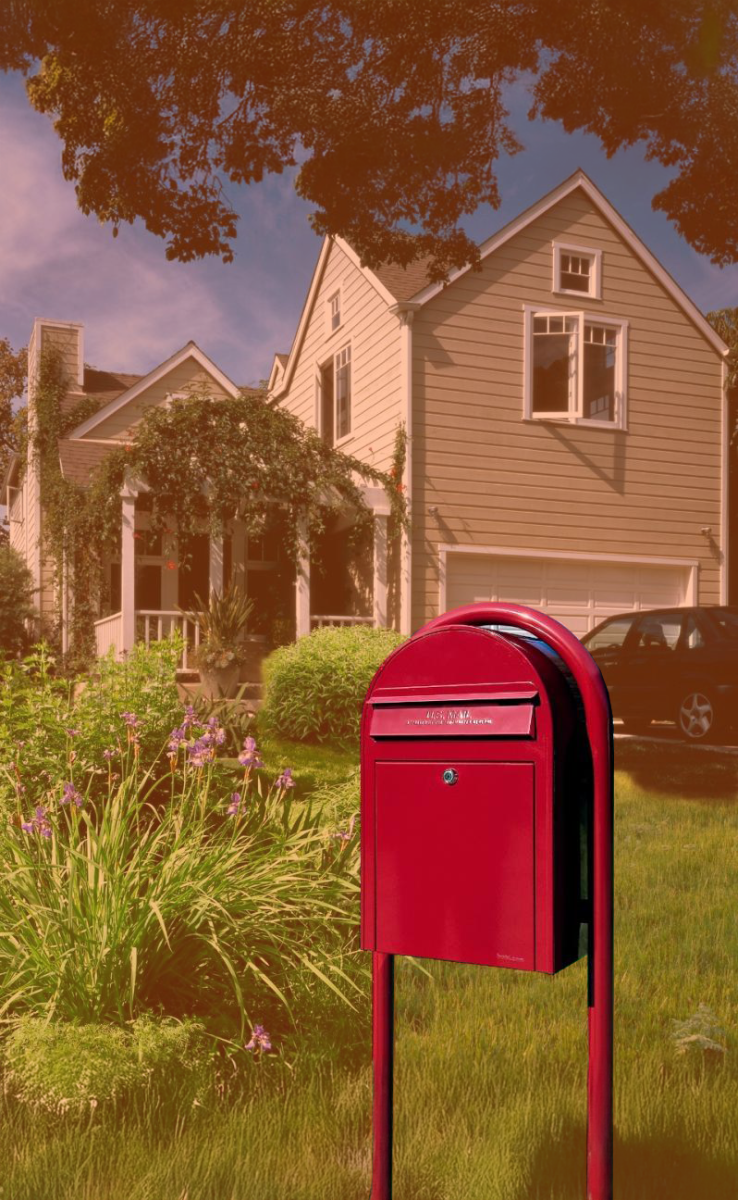
Residential Locking Mailboxes
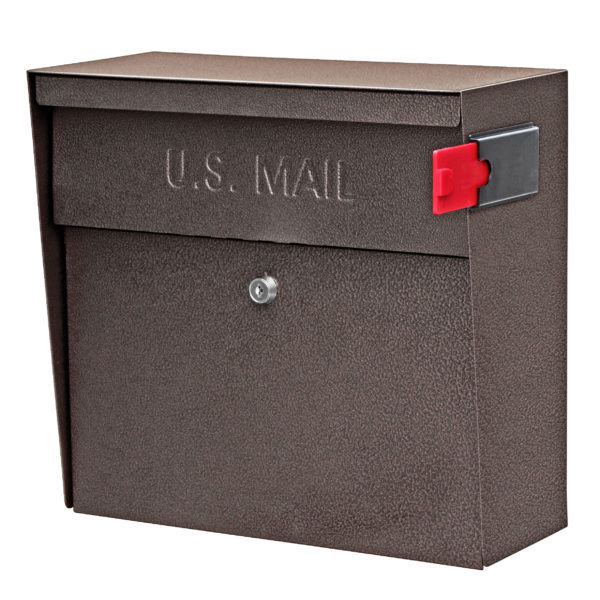
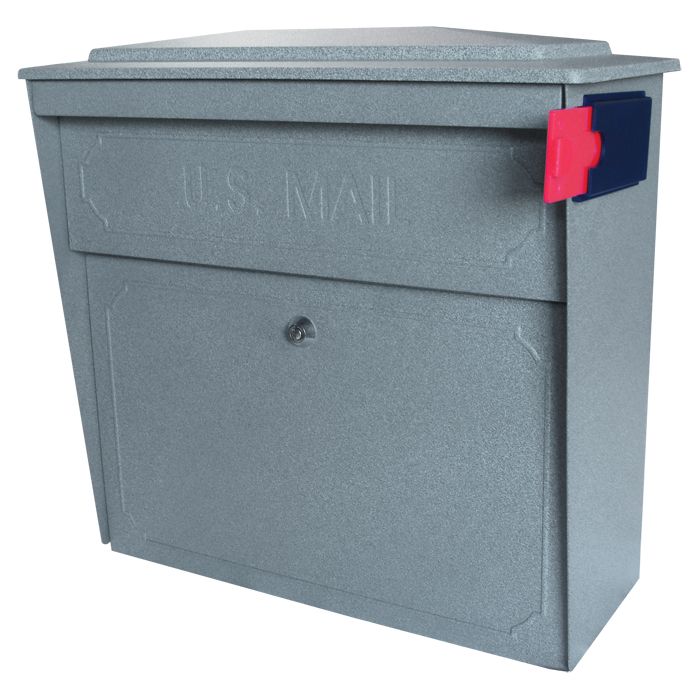
Wall-mount locking mailboxes
-
Compact design mounts near entry doors
-
Ideal for homes with limited street frontage
-
USPS-approved with secure cam lock mechanisms
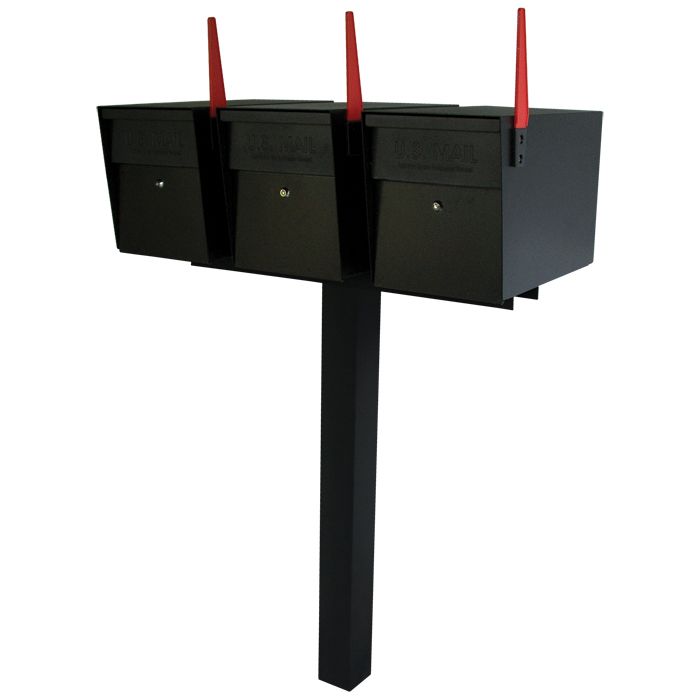
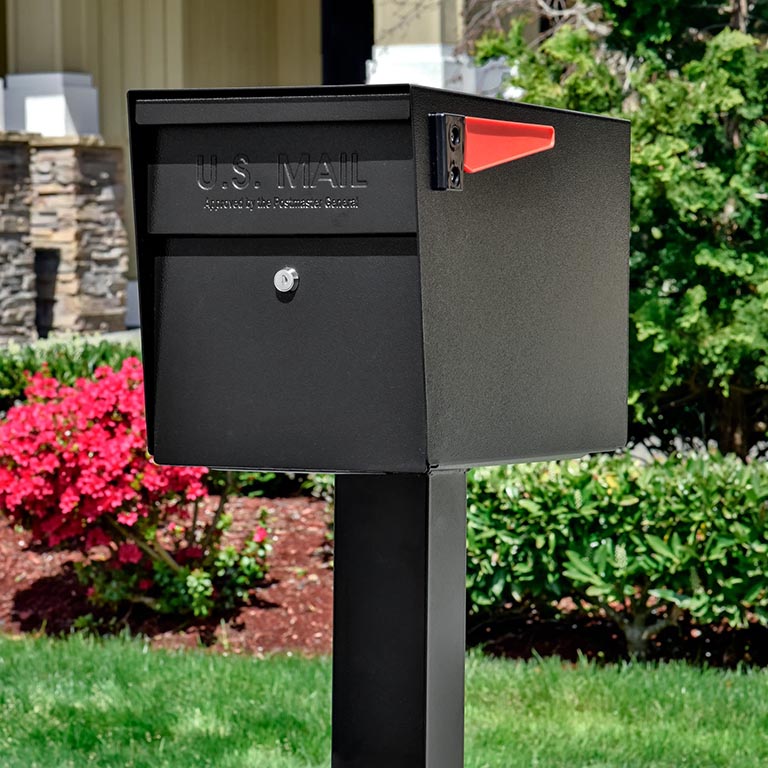
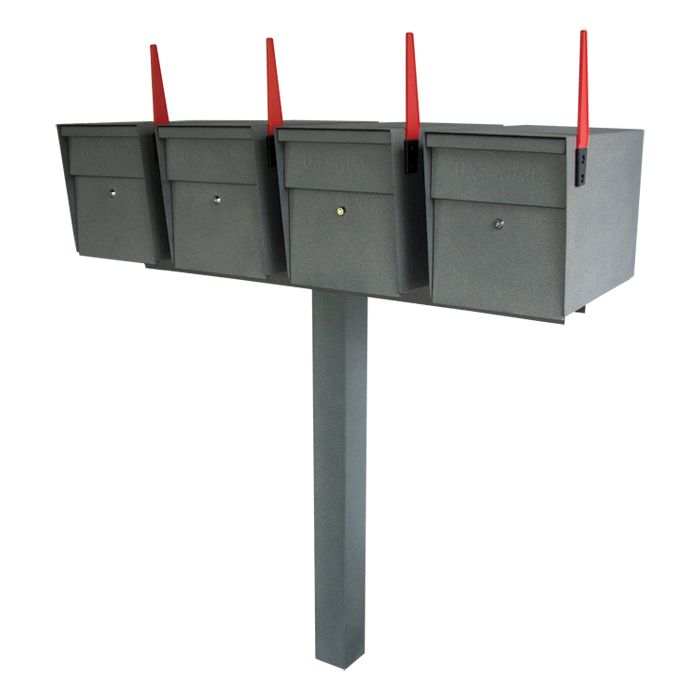
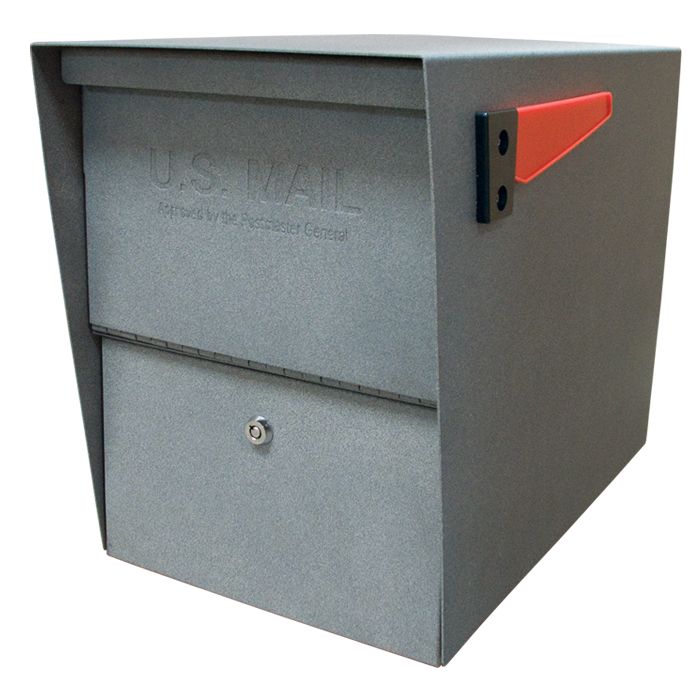
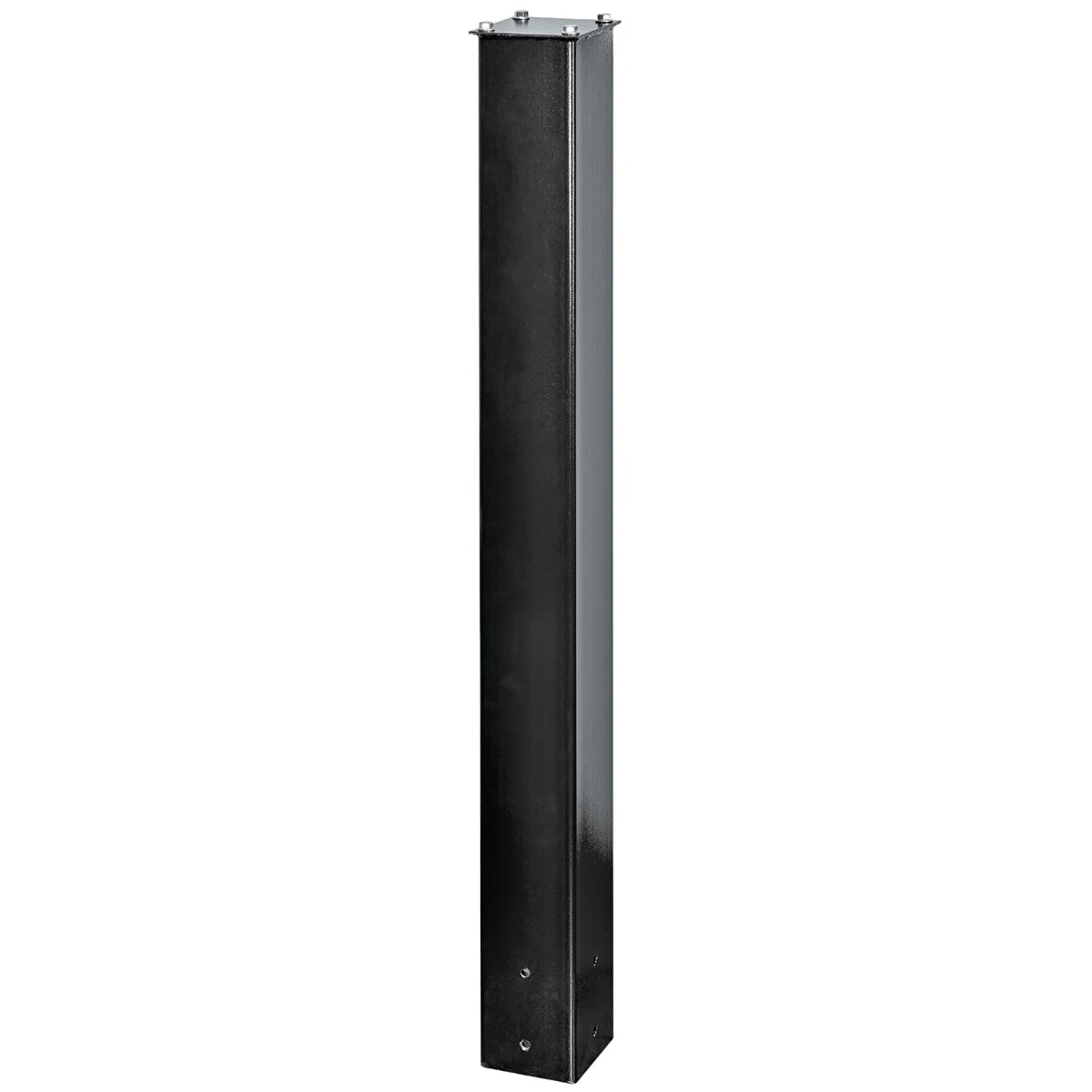
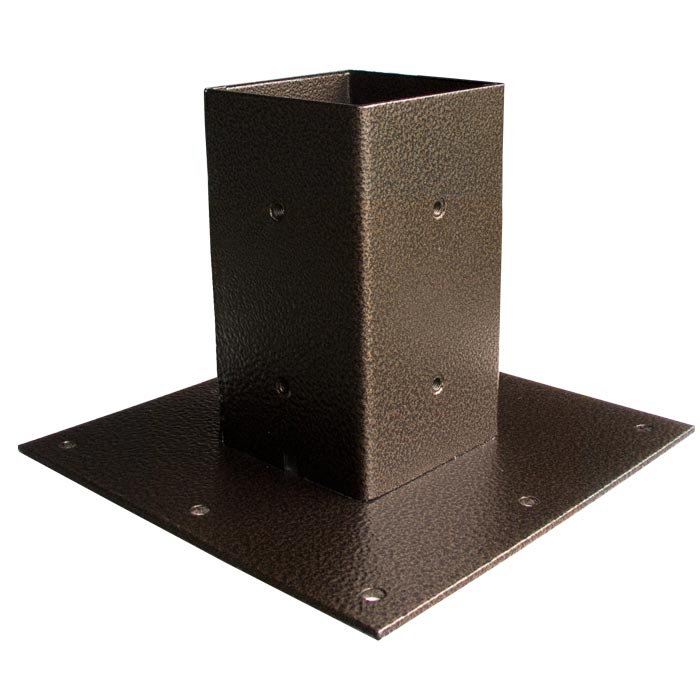
Post-mount locking mailboxes
-
Freestanding curbside or driveway installation
-
Replaces traditional mailboxes
-
Must meet USPS STD-7C compliance standards
What to look for in a locking mailbox:
-
USPS-approved design (STD-7C compliant for curbside models)
-
Weather-resistant construction (galvanized steel or powder-coated aluminum)
-
Reinforced lock mechanism with pick-resistant cam locks
-
Adequate mail capacity with slot sized for magazines and small parcels
-
Durable finish that withstands outdoor elements
Shop residential security mailboxes:
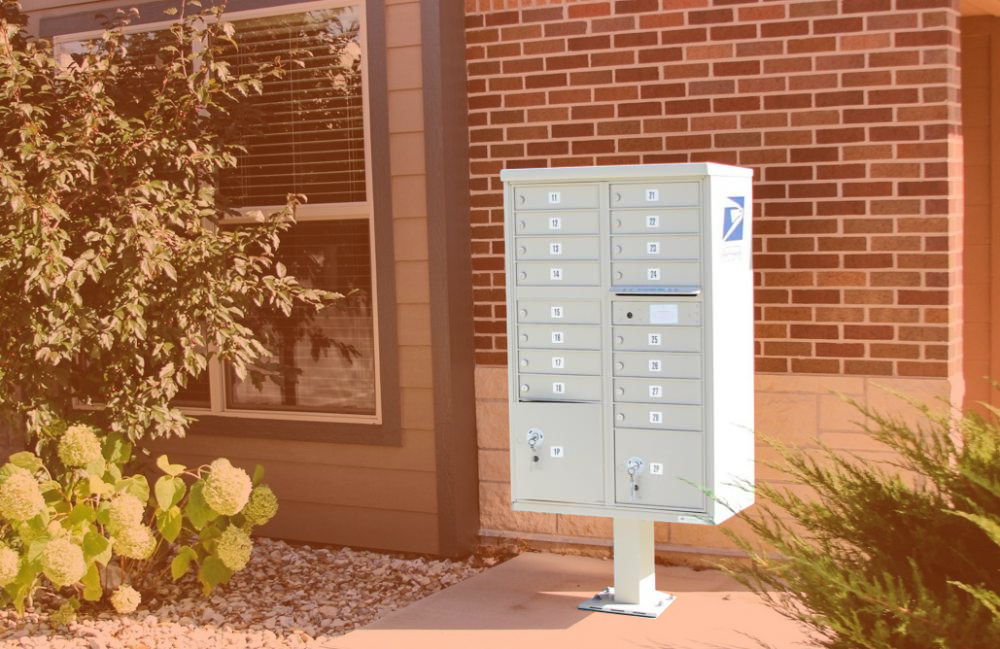
Multi-unit and HOA solutions
For apartments, condos, and planned communities, centralized cluster mailbox systems provide superior security:
USPS-approved cluster mailbox units (CBUs):
-
Individual locked compartments for each resident
-
Integrated parcel lockers for package delivery
-
Master access for USPS carriers
-
Outdoor-rated construction with multiple finish options
-
Available in 8-16 compartment configurations
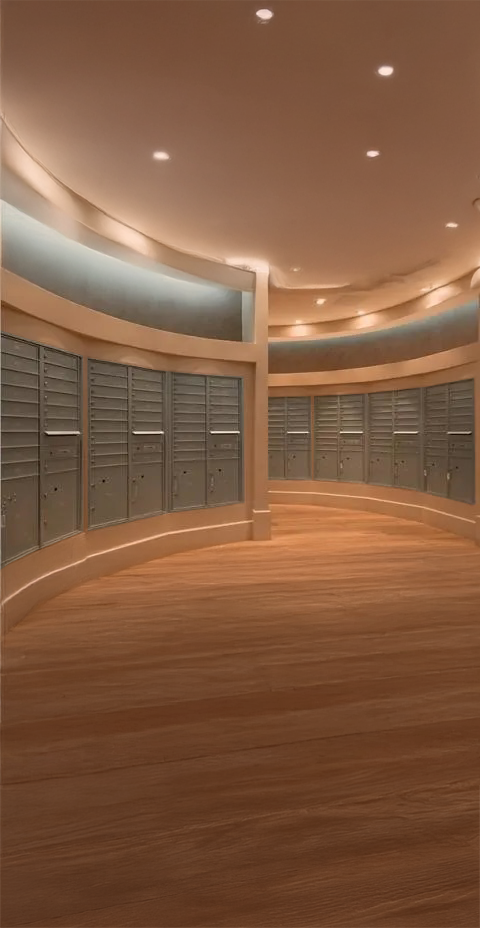
4C Horizontal Mailboxes
4C horizontal mailbox systems:
-
Wall-mounted or recessed installation for indoor areas
-
Meet USPS STD-4C requirements for new construction
-
Mandatory parcel locker ratios: minimum 1 locker per 5 mailboxes
Why centralized systems work:
Property managers and HOA boards report that cluster mailboxes dramatically reduce theft incidents compared to scattered individual boxes. Centralized delivery also accommodates the explosion in package volume while meeting USPS compliance requirements.
Shop commercial centralized solutions:
Brands we carry: USPS-approved products from Florence Corporation and Salsbury Industries, with architectural finishes and decorative options.
Cost: $150–$400 (residential); $1,200–$4,500+ (commercial cluster systems)
Effort: Medium (30-60 min residential install); High (professional installation for commercial)
Best for: Homes with recurring theft; all multi-unit properties
Step 3: Enroll in USPS Informed Delivery for Mail Theft Protection
USPS Informed Delivery is a free service that sends a daily email preview of incoming mail and package tracking updates. Homeowners use it to monitor incoming mail digitally and spot missing items before they'd otherwise notice.
If your preview shows a check or sensitive document scheduled to arrive and it doesn't appear in your mailbox, you can act the same day and report it before fraud compounds. Sign up at usps.com/manage/informed-delivery.htm.
Step 4: Use USPS Hold Mail Service When Traveling
Accumulating mail is a clear signal that no one is home, attracting thieves to your property.
How USPS Hold Mail works:
-
USPS safely stores all mail at your local post office for up to 30 days
-
Mail accumulates securely until you return or request delivery
-
Service is free and can be scheduled online or at your local post office
How to set it up:
-
Visit USPS Hold Mail Service
-
Enter your dates of travel (minimum 3 days, maximum 30 days)
-
Choose whether to pick up held mail or have it delivered on your return date
-
Confirm your request online or at your local post office
Alternative for short trips: Ask a trusted neighbor to collect your mail daily if you'll only be away 1-2 days.
Cost: Free
Effort: Low (5-minute online setup)
Best for: Anyone traveling for 3+ days
Step 5: Send Outgoing Mail Securely to Prevent Mail Theft
Raised mailbox flags broadcast that outgoing mail is waiting. Thieves check flagged boxes specifically for checks and financial documents. Use these options instead:
-
USPS blue collection boxes: Drop outgoing mail directly during daytime pickup hours
-
Hand delivery: Pass mail directly to your carrier at the door
-
Post office counter: Bring sensitive mail inside rather than leaving it curbside
Never leave outgoing mail in your residential mailbox overnight.
Step 6: Avoid Sending Cash or Sensitive Information Through the Mail
Outgoing mail containing cash, checks, or sensitive documents creates opportunity for theft and fraud.
What to do instead:
-
Never mail cash—use money orders, cashier's checks, or secure electronic transfers
-
Avoid mailing personal checks when possible—use online bill pay through your bank
-
Hand checks directly to your letter carrier or deposit at a post office instead of leaving in your mailbox
-
Use certified or registered mail for important documents requiring proof of delivery
-
Don't leave outgoing mail in your mailbox overnight—drop at USPS collection boxes or post office counters
Important: If you must mail checks or sensitive documents, take them directly inside a post office or use official USPS blue collection boxes during daytime hours (never after final pickup time).
Cost: Free (behavioral change)
Effort: Low (slight inconvenience)
Best for: Everyone handling financial transactions
Step 7: Switch to Electronic Payments to Reduce Check Fraud
Check washing is a real threat. Criminals intercept mailed checks, chemically erase the payee and amount, and rewrite them. Switching to electronic payments removes that risk entirely. Protective steps include:
-
ACH transfers or wire payments instead of mailed checks
-
Bank account alerts for every transaction above a set threshold
-
Daily account review: Two minutes each morning catches fraud before it compounds
Step 8: Request Signature Confirmation for Valuable Mail
Signature confirmation requires a recipient to sign before the carrier leaves a piece. Senders request it at the time of mailing. Use it for:
-
Legal documents and government correspondence
-
Checks and bill payments containing financial details
-
Replacement credit cards and government-issued IDs
-
High-value items that can't be replaced easily
The carrier won't leave the piece unattended, removing the window thieves rely on between delivery and retrieval.
Step 9: Install a Security Camera or Doorbell Camera
Visible cameras act as theft deterrents and provide evidence if theft occurs.
How security cameras help prevent mail theft:
-
Deterrence effect: Thieves prefer easy targets; visible cameras make your property high-risk
-
Live monitoring: Receive instant alerts when motion is detected at your door or mailbox
-
Evidence collection: Video footage aids police investigations and insurance claims
-
Two-way communication: Some models allow you to speak to delivery drivers or suspicious individuals remotely
Popular options:
-
Video doorbells: Ring, Nest, Arlo (mount at front door with mailbox view)
-
Outdoor security cameras: Dedicated cameras focused on mailbox and porch areas
-
Complete security systems: Integrated home security with multiple camera angles
Best practices:
-
Position cameras to capture clear views of your mailbox and front porch
-
Ensure cameras have night vision capabilities for 24/7 monitoring
-
Display visible signage indicating video surveillance is active
-
Register cameras with local police programs where available
Important limitation: While cameras deter casual thieves and provide evidence, they don't physically prevent access to unsecured mailboxes. For maximum protection, combine cameras with locking mailboxes.
Cost: $50–$300+ depending on system
Effort: Low to Medium (installation)
Best for: Homeowners; renters with landlord permission
Step 10: Make Your Home Look Occupied
Thieves target homes that appear vacant or unmonitored, looking for accumulated mail and packages as indicators.
How to maintain an occupied appearance:
When you're away during the day:
-
Use timed lights or smart plugs to turn on lights at realistic times
-
Keep window treatments partially open as you normally would
-
Park a vehicle in the driveway if possible
-
Vary your mail pickup times so patterns aren't predictable
When traveling:
-
Use USPS Hold Mail service (see Step 4)
-
Have a neighbor park in your driveway occasionally
-
Set lights on randomized timers (not the same schedule every day)
-
Ask trusted neighbors to move any packages or items left at your door
-
Maintain yard appearance (arrange lawn care, snow removal)
Vacation watch programs:
Many police departments offer free vacation watch services:
-
Officers check your property during routine patrols
-
Look for signs of suspicious activity or forced entry
-
Contact you if issues are detected
-
Contact your local police department's non-emergency line to enroll before traveling.
Cost: Free to minimal
Effort: Low (planning and coordination)
Best for: Everyone, especially during extended absences
Step 11: Rent a PO Box for Maximum Mail Theft Prevention
A home mailbox is convenient but exposed. A PO Box eliminates that curbside risk entirely for the mail you route through it. USPS and private carriers deliver to PO Boxes inside secured post office facilities, meaning no theft window between delivery and retrieval.
A PO Box is best for high-value mail, including:
-
Tax documents and government checks
-
Financial statements and credit correspondence
-
Legal notices requiring secure receipt
It isn't a full replacement for home delivery, but it removes your most sensitive mail from curbside exposure entirely.
Step 12: Monitor Financial Statements Regularly
Early detection limits damage. Fraud caught within days causes far less harm than fraud discovered months later. Key monitoring habits include:
-
Review bank and credit card statements at least weekly
-
Set transaction alerts for every charge, transfer, or withdrawal
-
Check your credit report through annualcreditreport.com to access reports from all three major bureaus
Step 13: Shred Sensitive Documents Before Disposing
"Dumpster diving" is a common tactic criminals use to gather personal information for identity theft and fraud.
What thieves look for in your trash:
-
Bank statements and credit card offers
-
Tax documents and W-2 forms
-
Medical bills and insurance statements
-
Utility bills with account numbers
-
Pre-approved credit applications
-
Any document containing your name, address, and account details together
How to protect yourself:
-
Use a cross-cut shredder (not strip-cut—easier to reassemble)
-
Shred anything with account numbers, SSN, or medical information
-
Keep a "shred box" and process documents weekly
-
Shred junk mail containing personal information (pre-approved credit offers, insurance quotes)
-
Consider "locked trash" or secure disposal if theft is a neighborhood problem
What needs shredding:
✓ Financial statements (bank, credit card, investment)
✓ Medical bills and insurance documents
✓ Tax documents and pay stubs
✓ Cancelled checks and deposit slips
✓ Credit card offers and applications
✓ Utility bills (after payment confirmation)
✓ Old IDs, expired credit cards, and documents with signatures
Cost: $30–$60 for a quality cross-cut shredder
Effort: Low (2-5 minutes weekly)
Best for: Everyone—this is essential identity theft prevention
Step 14: Stay Alert and Join a Neighborhood Watch
Community awareness and collaboration significantly reduce crime rates, including mail theft. Thieves avoid neighborhoods where residents actively monitor suspicious activity.
How neighborhood watch helps prevent mail theft:
-
Increased surveillance: More eyes watching for suspicious vehicles and individuals
-
Rapid reporting: Quick communication when theft occurs, helping police respond faster
-
Deterrence effect: Thieves avoid neighborhoods with active watch programs
-
Shared information: Neighbors alert each other about recent incidents and patterns
-
Collective action: Communities can petition for better lighting, security measures, or increased police patrols
How to participate:
Join an existing program:
-
Contact your local police department's community relations division
-
Search for neighborhood associations in your area
-
Connect through apps like Nextdoor or Ring Neighbors
-
Attend community meetings and HOA gatherings
Start a neighborhood watch:
-
Contact the National Neighborhood Watch Program for resources
-
Work with your local police to establish an official program
-
Organize informational meetings with neighbors
-
Create communication channels (group text, email list, social media)
Best practices for mail security:
-
Exchange contact information with immediate neighbors
-
Alert neighbors when you'll be traveling (ask them to watch your mail)
-
Report suspicious vehicles or individuals loitering near mailboxes
-
Share information about theft incidents through neighborhood channels
-
Coordinate delivery pickups for each other when needed
Cost: Free
Effort: Low to Medium (depends on involvement level)
Best for: Everyone—community security benefits all residents
Step 15: Don't Use Your Mailbox Flag for Outgoing Mail
A raised mailbox flag signals to thieves that you have outgoing mail—potentially containing checks, bill payments, or personal information.
The risk:
Thieves cruise neighborhoods looking for raised flags, knowing they can intercept:
-
Personal checks (which can be altered or "washed")
-
Account numbers and banking information
-
Bill payments containing credit card details
-
Tax documents and other sensitive mail
What to do instead:
-
Drop outgoing mail directly at a post office counter during business hours
-
Use official USPS blue collection boxes in high-traffic, well-lit areas
-
Hand mail directly to your letter carrier during delivery
-
Use online bill pay through your bank to avoid mailing checks entirely
-
Never leave outgoing mail in your mailbox overnight with the flag raised
Timing matters: If using USPS collection boxes, deposit mail well before the final pickup time listed on the box. Mail deposited after the last pickup sits overnight—creating vulnerability.
Cost: Free (behavioral change)
Effort: Low (slight inconvenience)
Best for: Everyone, especially those mailing checks or sensitive documents.
Why Mail Theft Is on the Rise
Mail and package theft is typically an opportunistic crime. Thieves look for easy targets and quick wins, making residential and commercial properties with unsecured mail delivery prime opportunities.
What makes mail theft appealing to criminals:
-
Speed and simplicity: A package on a porch can be grabbed in seconds with minimal effort
-
Low prosecution risk: Arrest rates remain generally low, and incidents are often difficult to resolve
-
Easy visibility: Packages left on doorsteps are visible from the street, and regular delivery patterns are easy to observe
-
Peak vulnerability: Theft incidents spike during November–December holidays and weekday afternoons when residents are typically away from home

The identity theft connection
Beyond stolen merchandise, mail theft can expose sensitive personal information including:
-
Bank statements and credit card offers
-
Tax documents and Social Security numbers
-
Medical and insurance information
-
Pre-approved credit applications
-
Government correspondence and checks
With just one stolen document, criminals can open fraudulent accounts, file false tax returns, access existing accounts, or obtain credit cards and loans in your name. Identity theft recovery can take months of disputes and notifications—making prevention far more valuable than cleanup.
Understanding these risks helps you choose the right countermeasures for your situation.
Why Locking Mailboxes Are the Most Reliable Long-Term Solution
While behavioral changes and deterrents help reduce mail theft risk, only physical security completely prevents unauthorized access to your mail.
Consider a locking mailbox if you:
-
Have experienced mail theft previously
-
Regularly receive sensitive documents (financial statements, medical bills, tax forms)
-
Live in an area with reported mail theft incidents
-
Travel frequently or have irregular mail pickup schedules
-
Operate a home-based business receiving checks or confidential documents
-
Want permanent protection without daily vigilance
For property managers and HOA boards:
If you're facing repeated tenant complaints about mail theft, USPS-approved cluster mailbox units with integrated parcel lockers provide:
-
Permanent, theft-resistant solution that reduces liability
-
USPS compliance for new construction and major renovations
-
Improved resident satisfaction and reduced management burden
-
Professional appearance with architectural finish options
-
Accommodates growing package volume with adequate parcel locker capacity
With national losses in the billions annually and widespread victimization, locking mailboxes remove the primary vulnerability: unsecured mail access.
How to Protect Your Mail While Traveling
Travelers face concentrated mail theft risk because absence is predictable. Four measures cover most situations:
-
USPS Hold Mail: Free, reliable, and available for up to 30 days. Schedule at usps.com three days before departure.
-
Mail forwarding: USPS Premium Forwarding Service temporarily reroutes all mail to your travel address. Fees apply.
-
Neighbor pickup: A trusted neighbor collecting mail daily works well for short trips where hold mail isn't practical.
-
Delivery notifications: Informed Delivery alerts keep you aware of incoming items even when you can't retrieve them yourself.
What to Do If Your Mail Is Stolen
Act quickly. Every day of delay increases the window for financial fraud. Follow these steps:
-
Contact local police: File a report and get a case number. You'll need it for bank and creditor disputes.
-
Report to the U.S. Postal Inspection Service: Call 1-877-876-2455 or file online at postalinspectors.uspis.gov.
-
Notify your bank or card issuer: Report stolen financial documents immediately and request new account numbers if checks or card information were exposed.
-
Place a fraud alert: Contact one of the three major credit bureaus (Equifax, Experian, or TransUnion). The bureau you contact notifies the other two.
Actions You Can Take to Stop Mail Theft Today
Proactive protection costs minutes. Recovering from identity theft or check fraud costs months. Start with three changes you can implement today:
-
Enroll in USPS Informed Delivery at informeddelivery.usps.com for daily mail monitoring
-
Stop raising your outgoing mail flag and drop financial documents at a USPS collection box instead
-
Schedule USPS Hold Mail for your next trip before you leave the house
Those three steps address behavior and monitoring immediately. Then add the hardware layer. A locking mailbox removes the physical vulnerability that no habit or camera fully closes.
Layered defense, behavior combined with monitoring combined with physical security, is what removes most of what thieves look for when choosing a target.
Report Suspicious Activity and Mail Theft
If you witness mail theft in progress or discover your mail has been stolen, take immediate action.
During active theft (in progress):
-
Call 911 immediately, mail theft is a federal crime
-
Note descriptions of suspects and vehicles (license plates, distinguishing features)
-
Do not confront thieves directly, your safety comes first
-
Provide police with any video evidence from security cameras
After discovering mail theft:
Step 1: Contact the U.S. Postal Inspection Service (USPIS)
-
Phone: 1-877-876-2455 (Press 3 for mail theft reporting)
-
Online: File a complaint at USPIS.gov/report
-
USPIS is the federal law enforcement arm that investigates mail crimes
Step 2: File a local police report
-
Contact your local police department's non-emergency line
-
File an official report for insurance and documentation purposes
-
Combining USPIS and local police reports strengthens your case
Step 3: Monitor for identity theft
-
Place a fraud alert with one credit bureau (they notify the others)
-
Check your credit reports at AnnualCreditReport.com (free weekly access)
-
Monitor bank and credit card accounts for suspicious activity
-
Create a recovery plan at IdentityTheft.gov (FTC resource)
-
Notify banks and card issuers about potential exposure
Step 4: Request missing mail investigation
-
For untracked mail items, file a "Where Is My Mail?" request at USPS.com
-
Follow up with your local post office for investigation status
Frequently Asked Questions
Common signs include missing expected checks, credit cards, bills, or packages; opened or tampered envelopes; new credit cards or bank statements you didn't request; and neighbors reporting similar incidents. If you suspect theft, report it immediately to USPIS and local law enforcement.
Contact the U.S. Postal Inspection Service at 1-877-876-2455 (Press 3) or file an online report at USPIS.gov/report. Also file a local police report and monitor your credit reports and bank accounts for signs of identity theft or fraud.
Yes—choose a USPS-approved, STD-7C compliant model with an incoming slot sized for normal mail and small parcels. Carriers deposit mail through the slot; only you can retrieve it with your key.
Signature requirements are typically set by senders. Recipients can often sign digitally for eligible USPS items using Electronic Signature Online (eSOL™). Contact senders to request signature confirmation for valuable packages.
Quality locking mailboxes feature weather-resistant construction using galvanized steel or powder-coated aluminum. Look for USPS-approved models specifically rated for outdoor installation to ensure longevity.