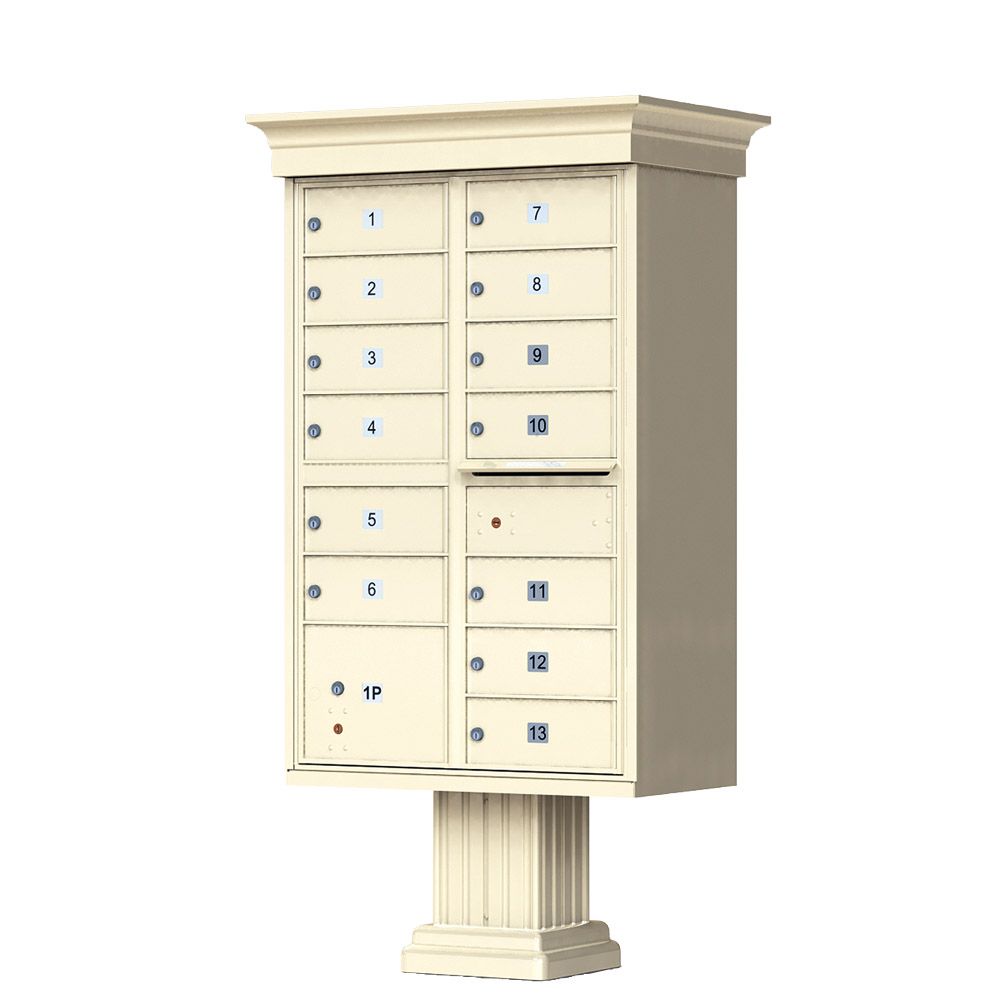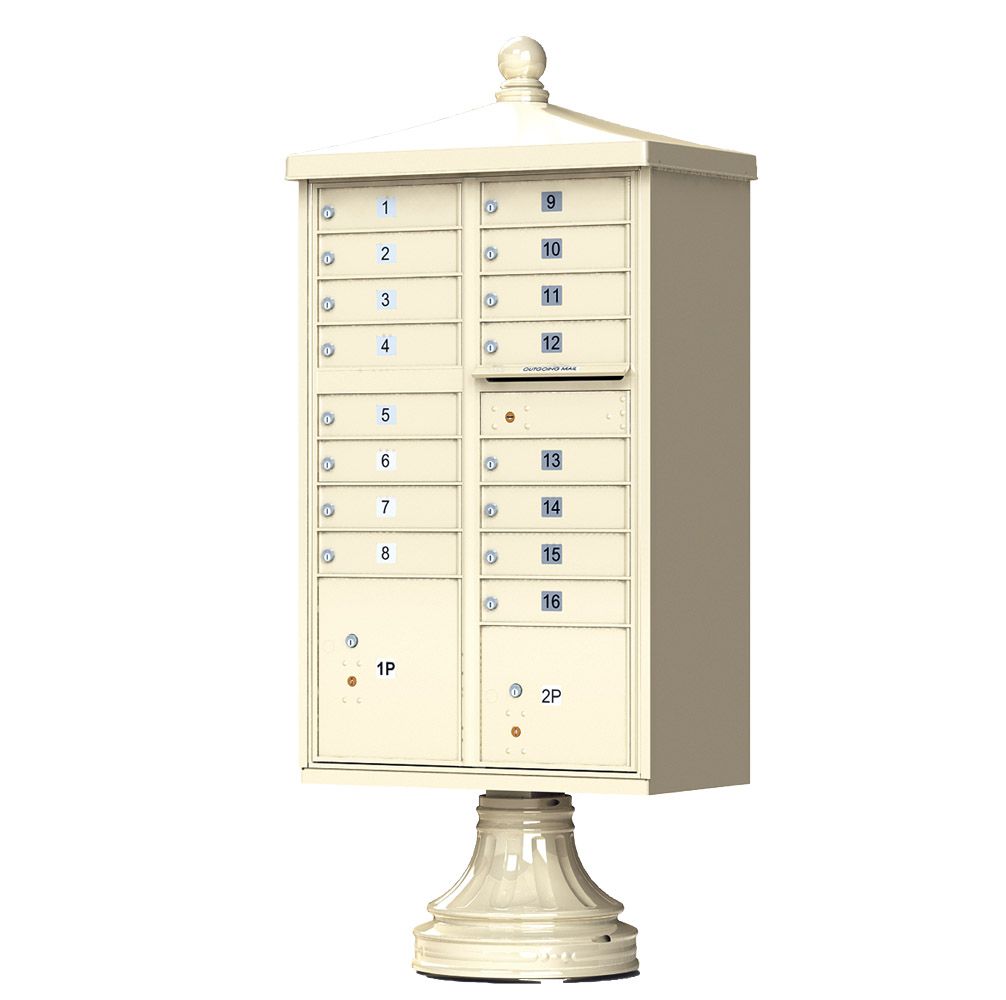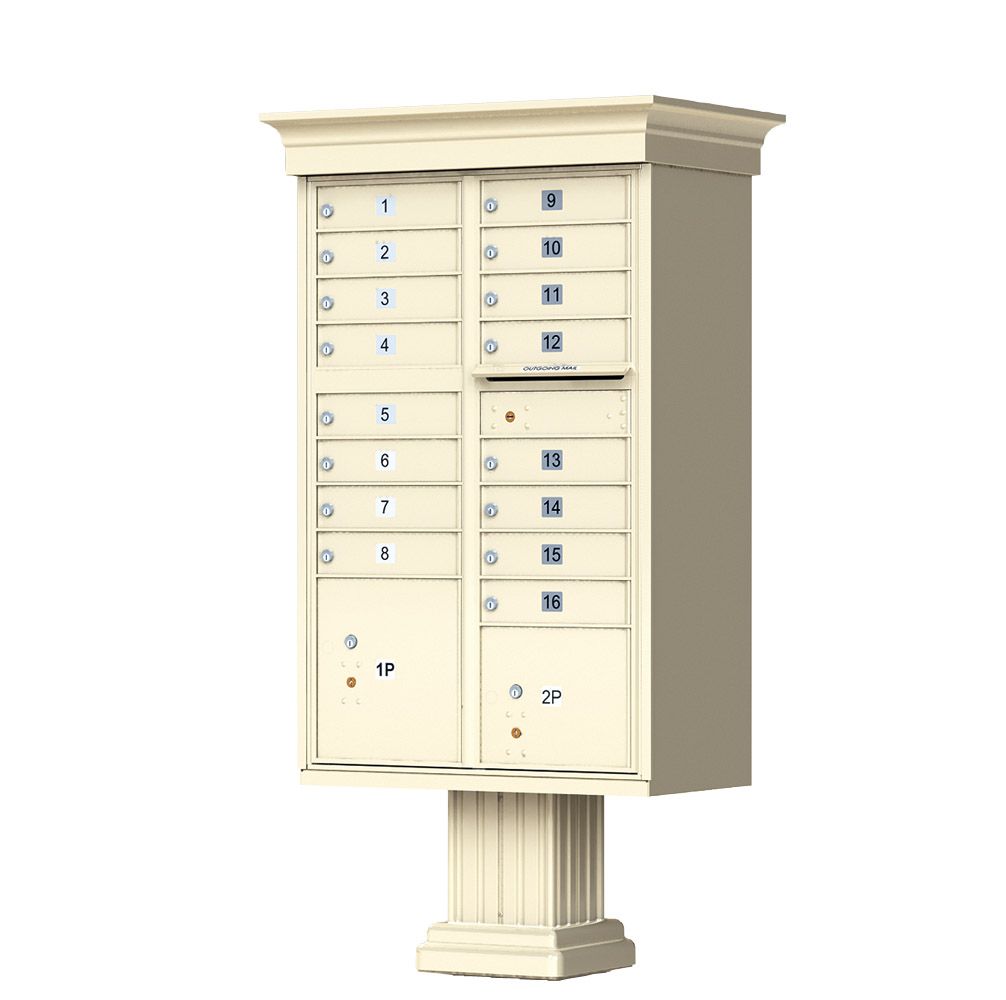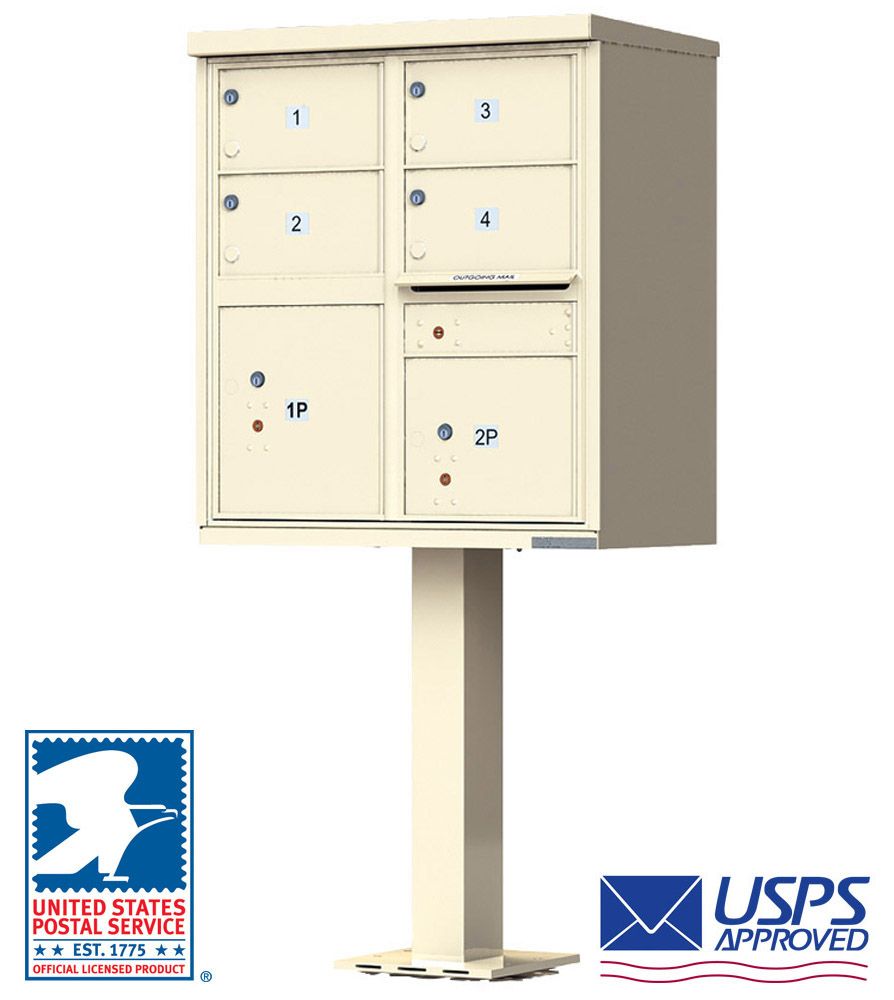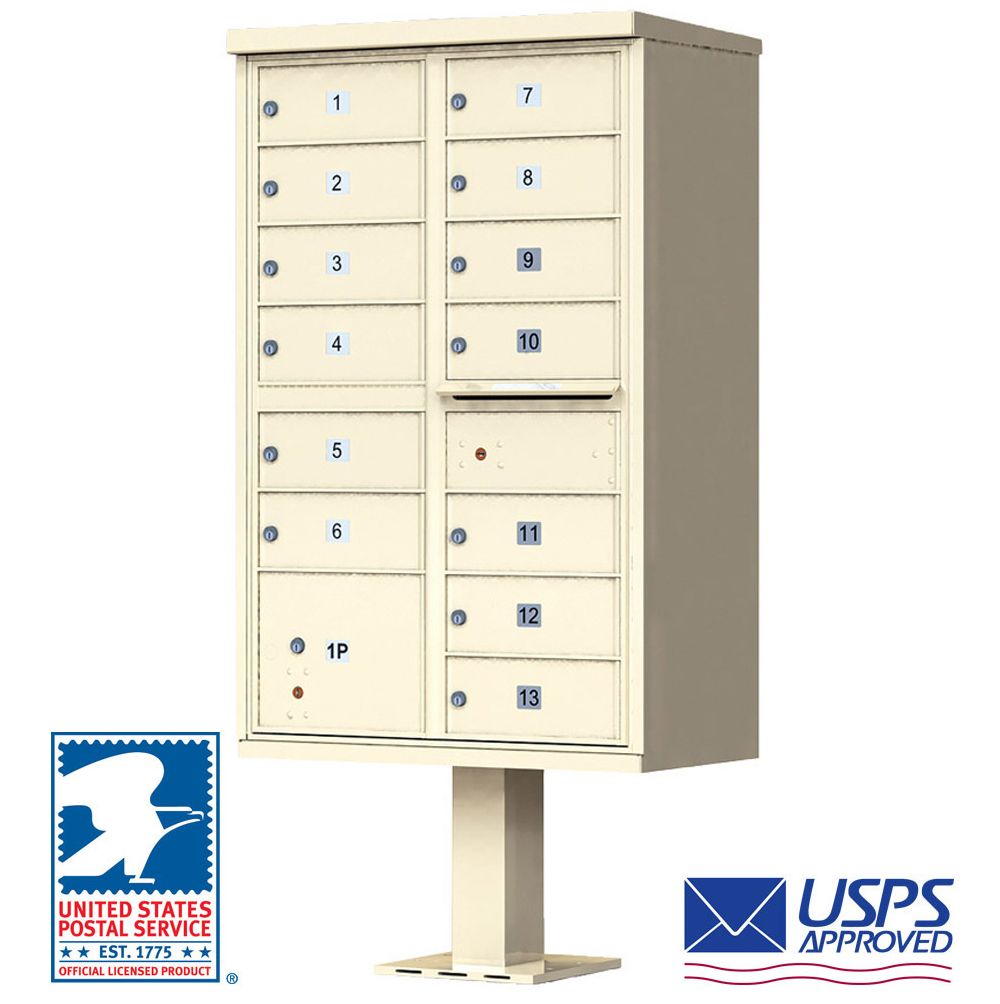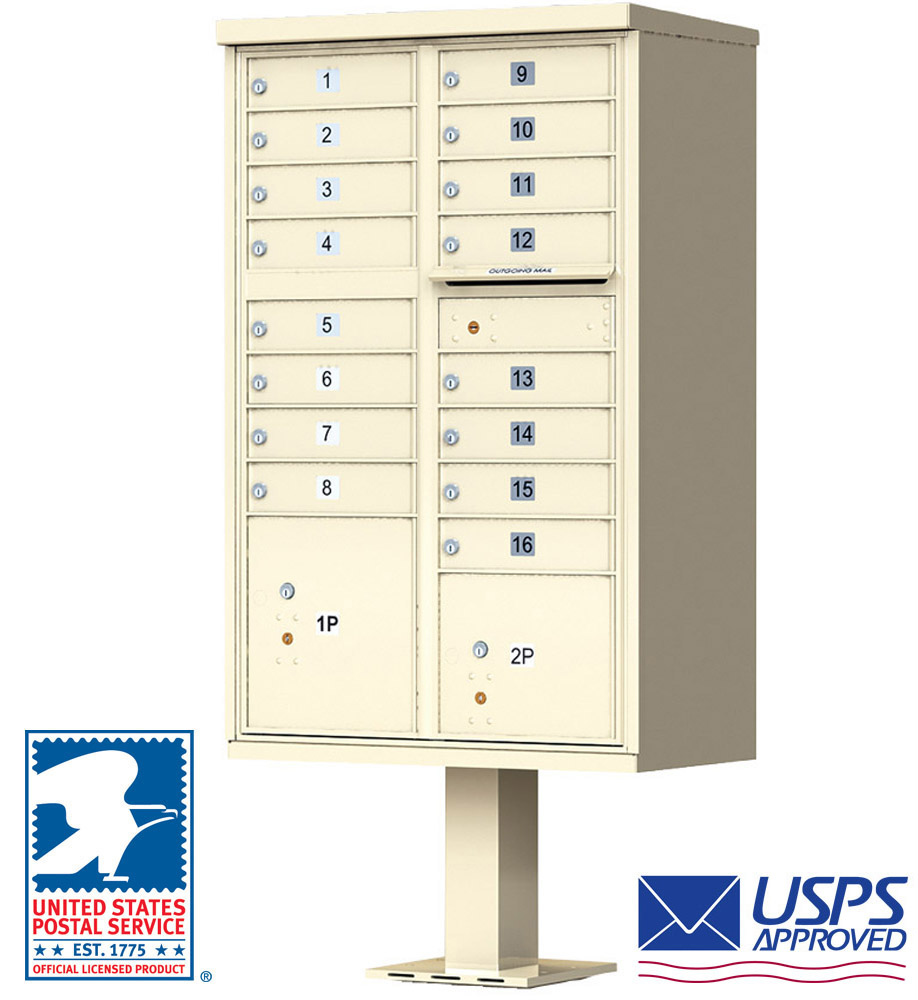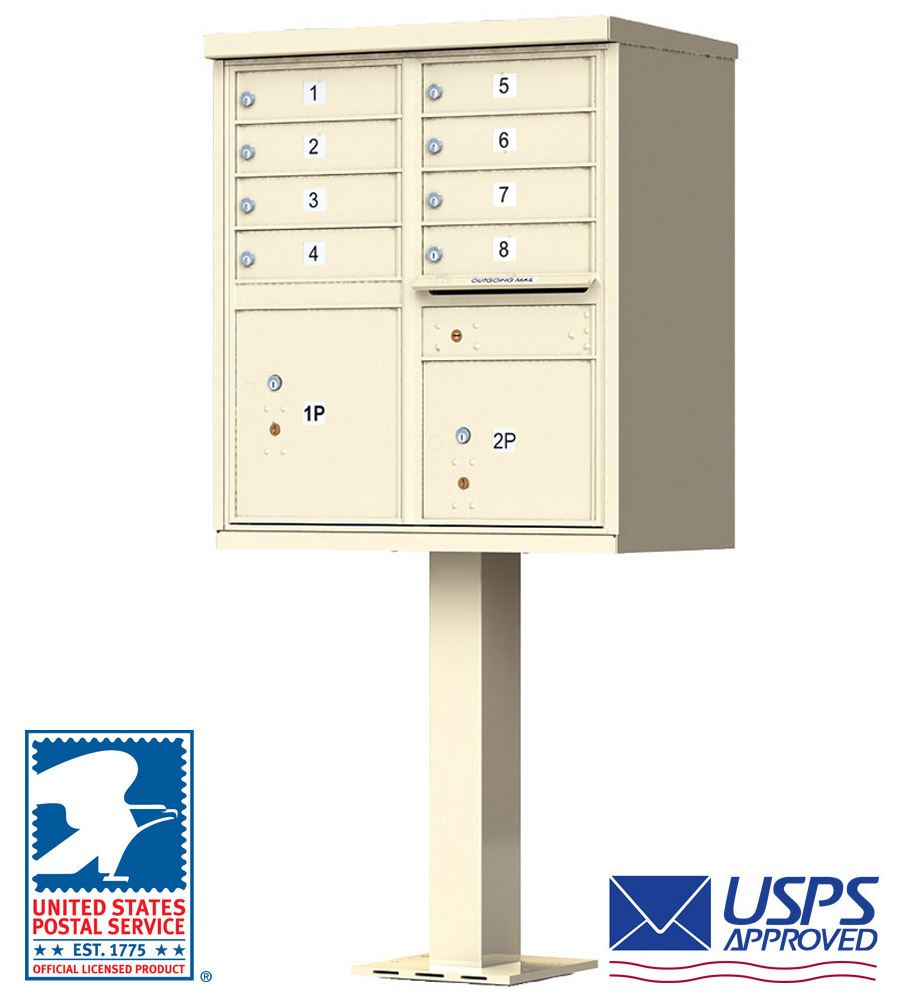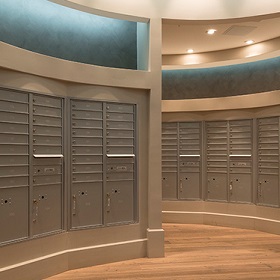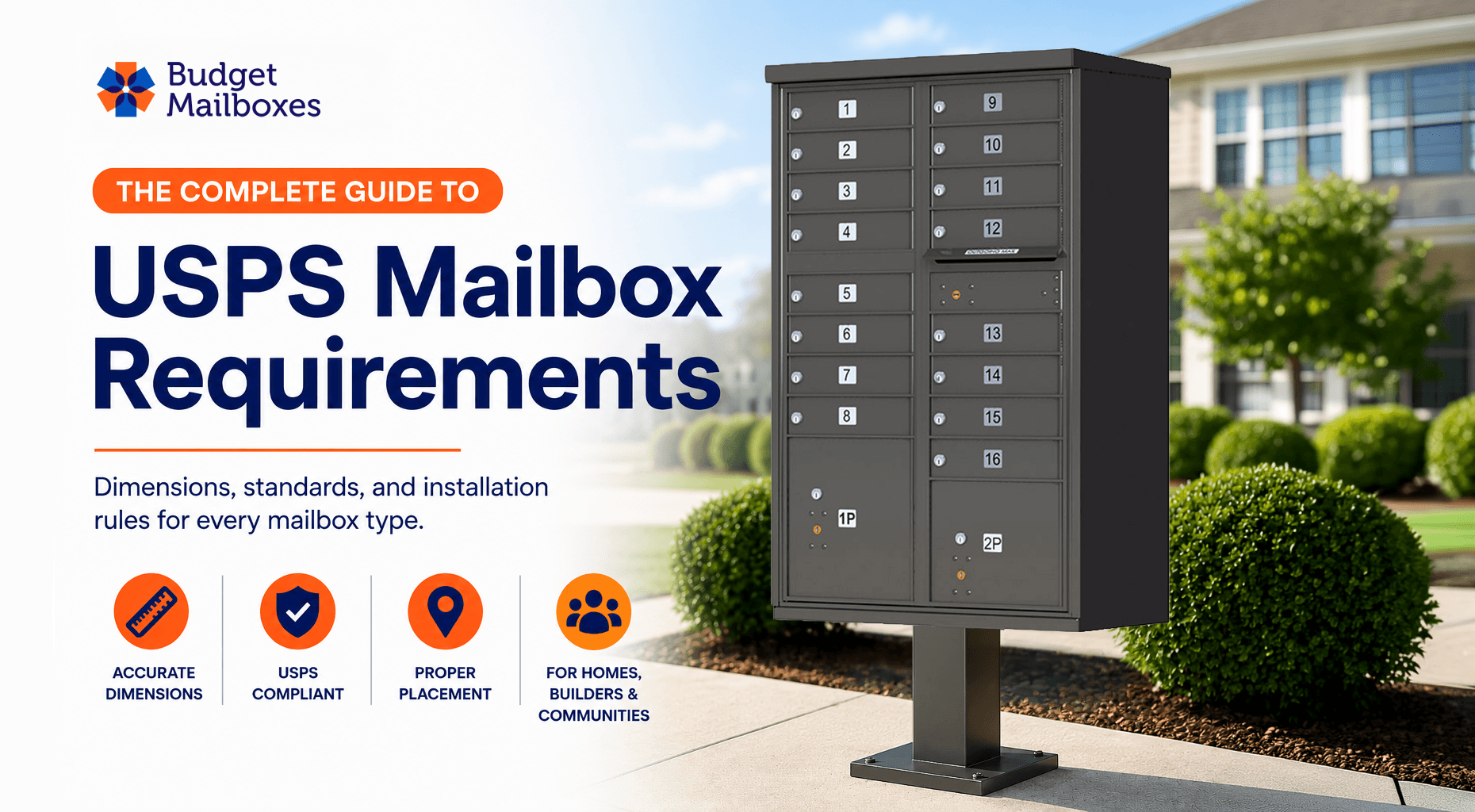
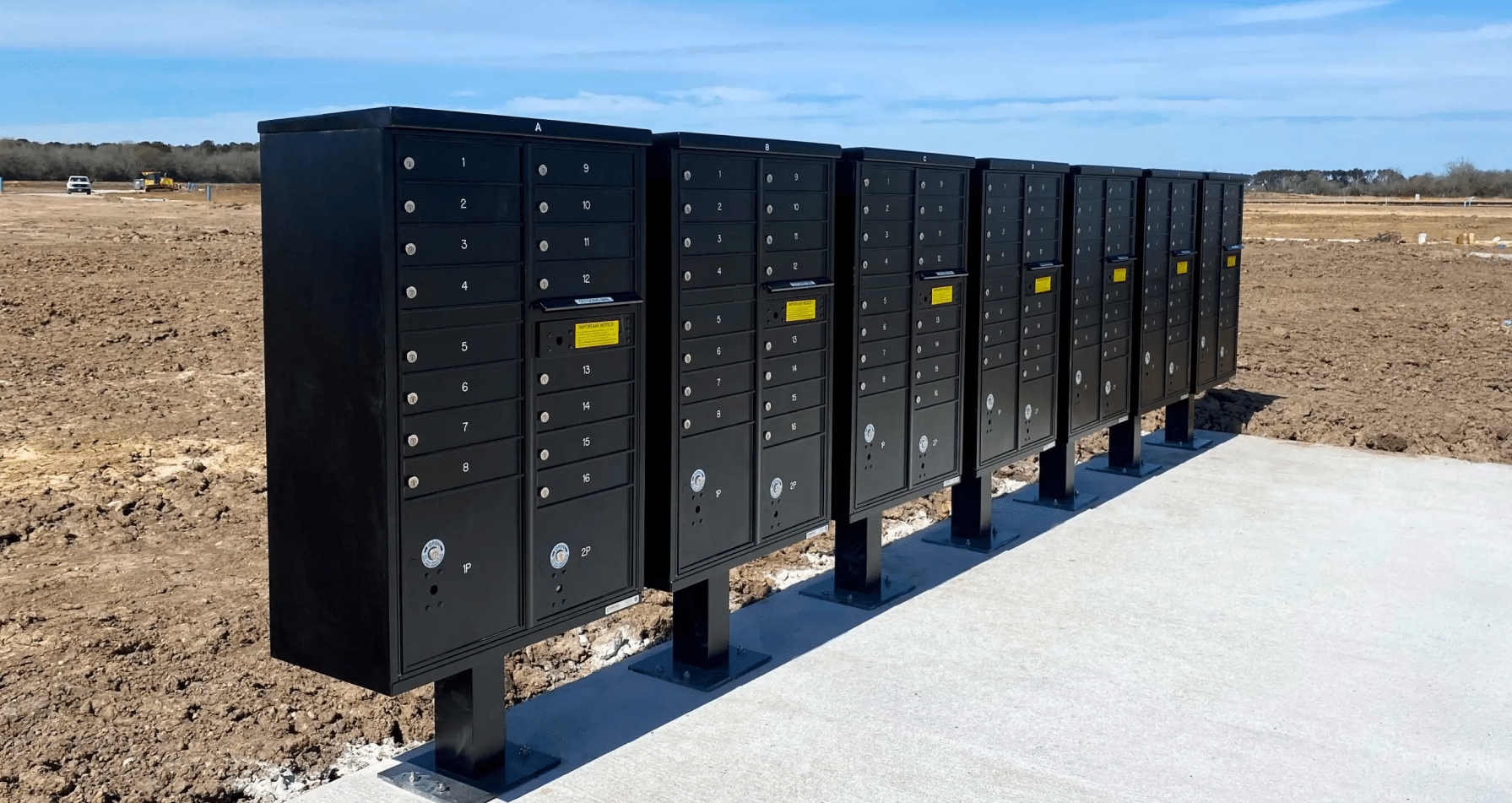
Neighborhood cluster mailboxes, often referred to as cluster box units or CBUs, are a common sight in many modern communities. If you live in a newer subdivision, apartment complex, or townhome development, your mail may be delivered to a shared mailbox location rather than to an individual mailbox at your home.
So what is a neighborhood cluster box, and why is this type of mailbox becoming more common?
This guide explains how cluster mailboxes work, why USPS uses them, who is responsible for maintenance, and what residents and communities should know about security, accessibility, and placement.
What Is a Neighborhood Cluster Box?
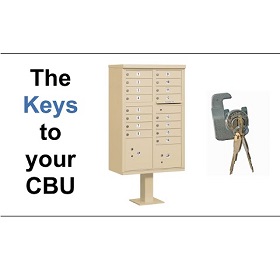
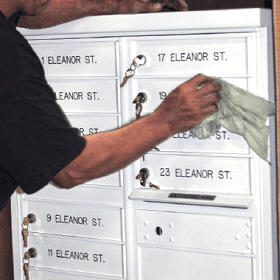
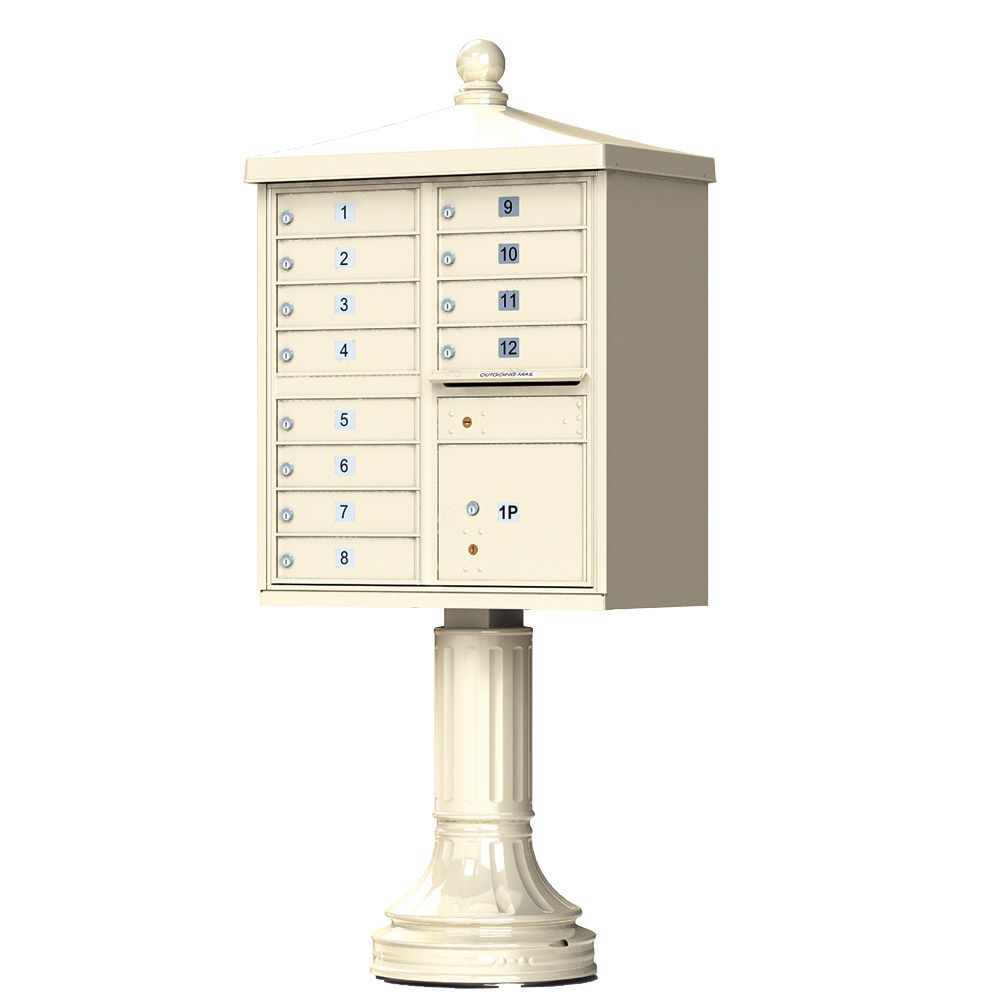
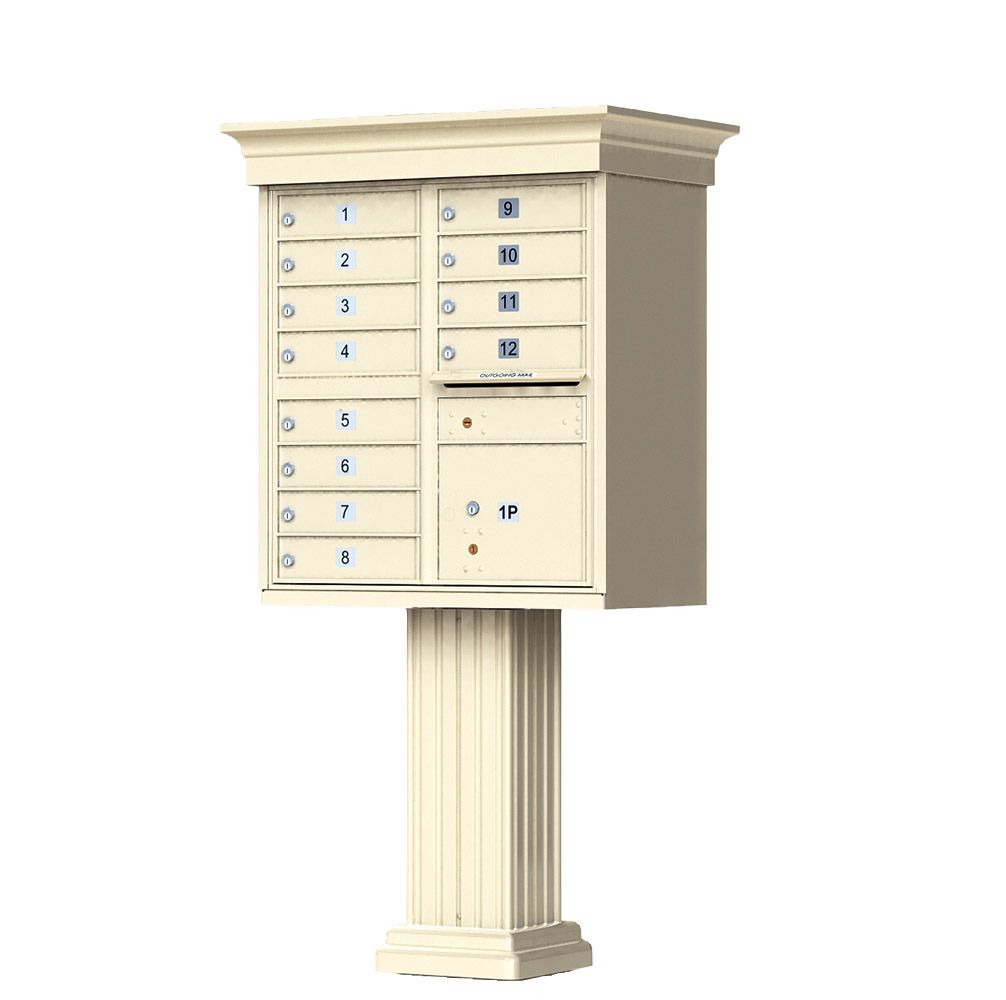
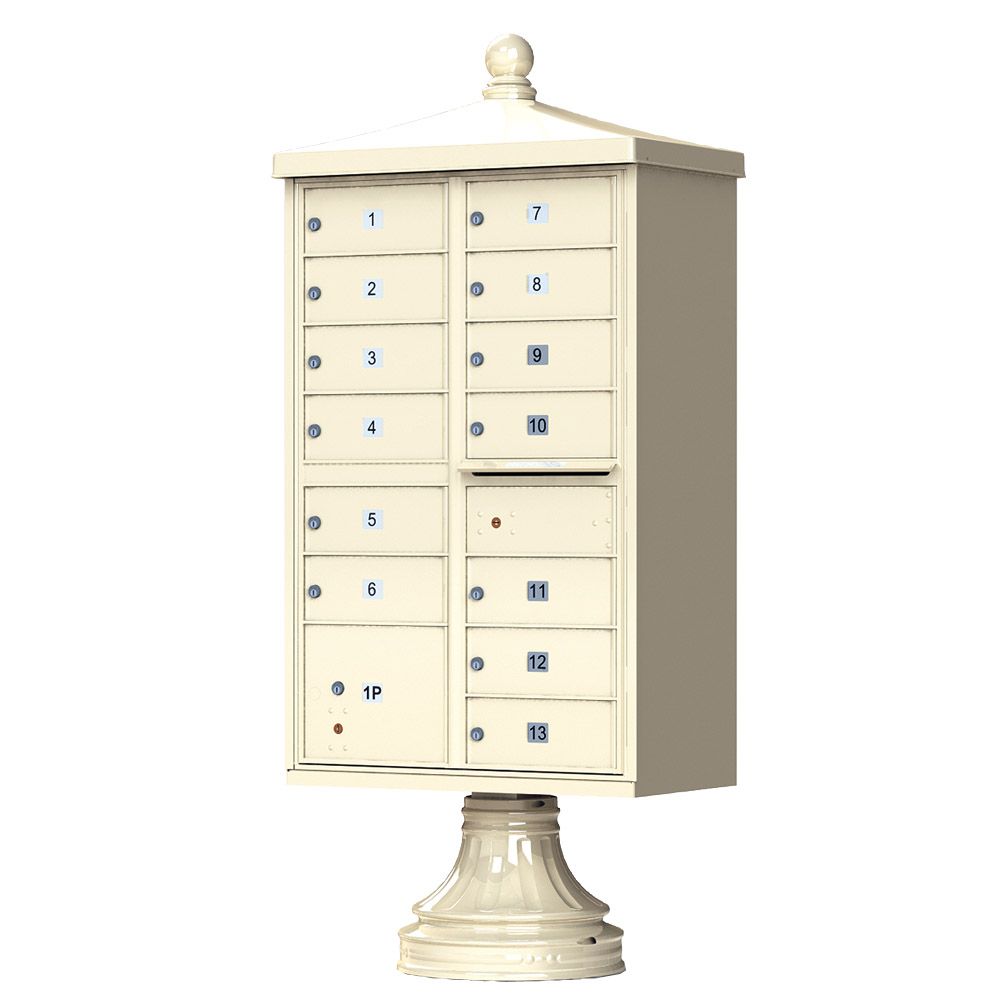
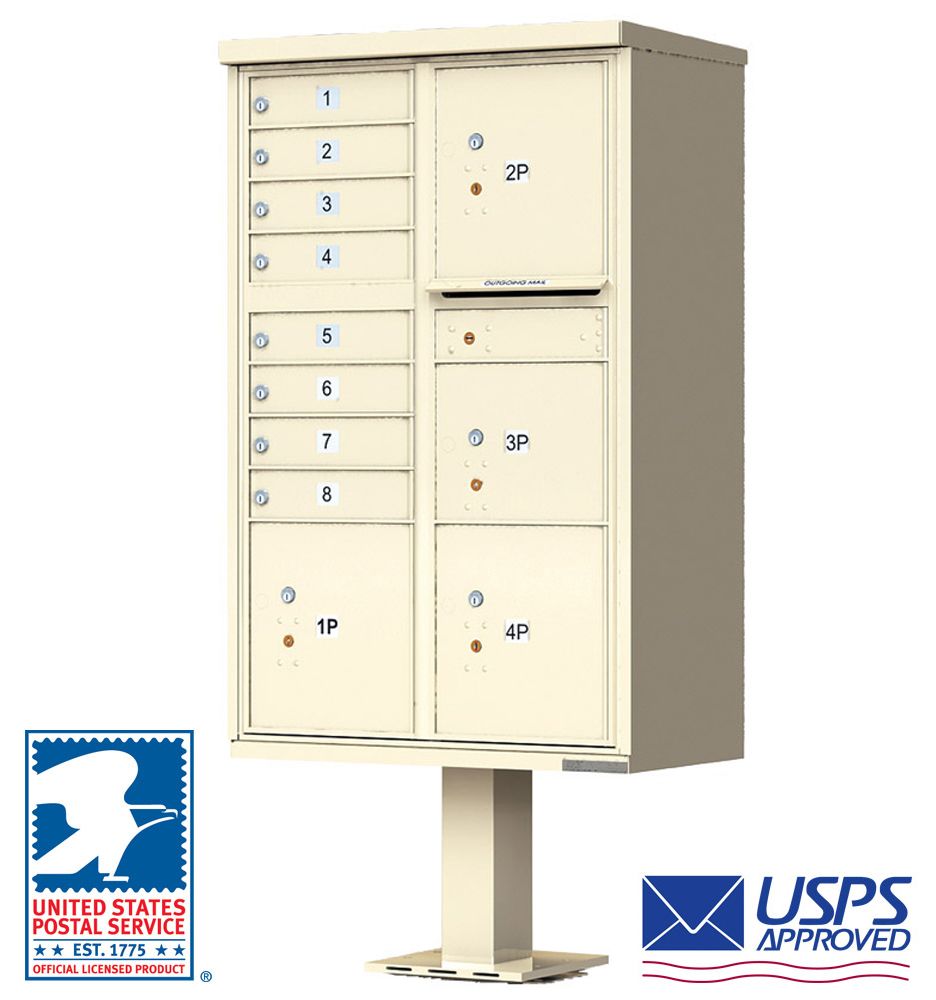
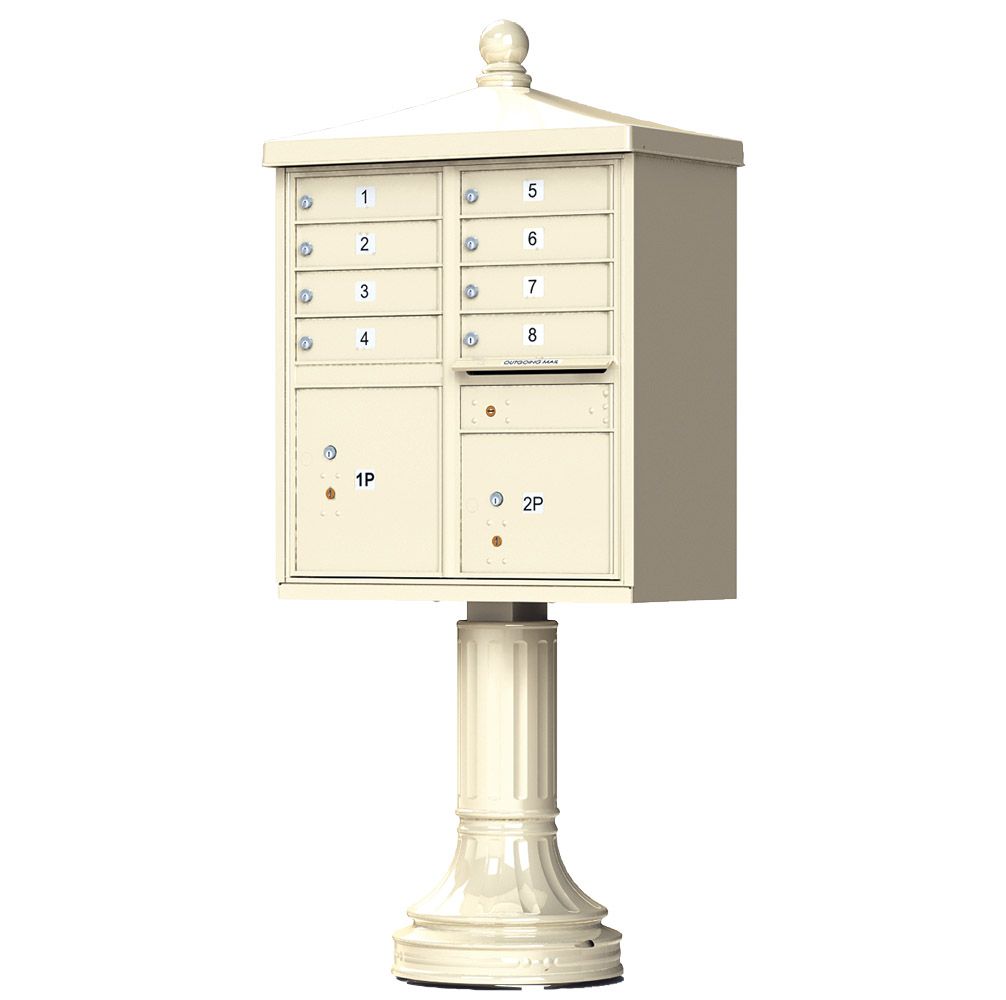
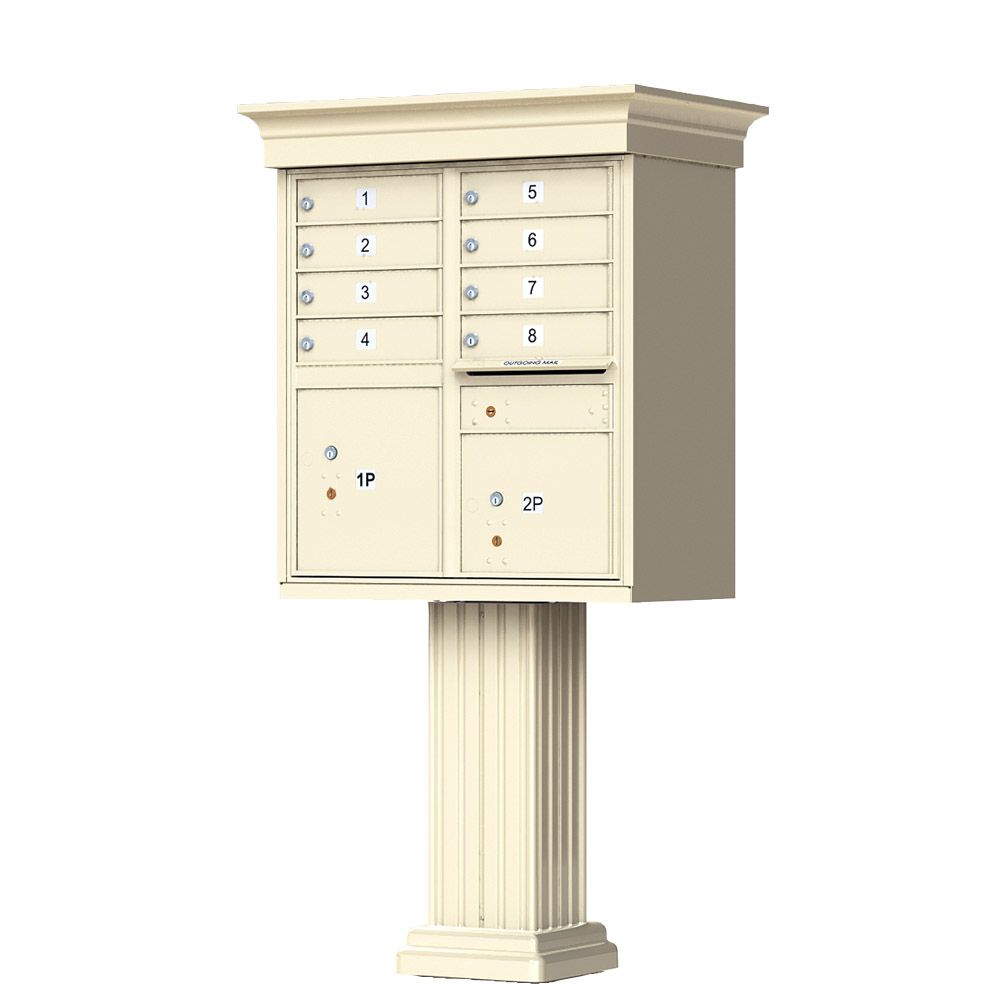
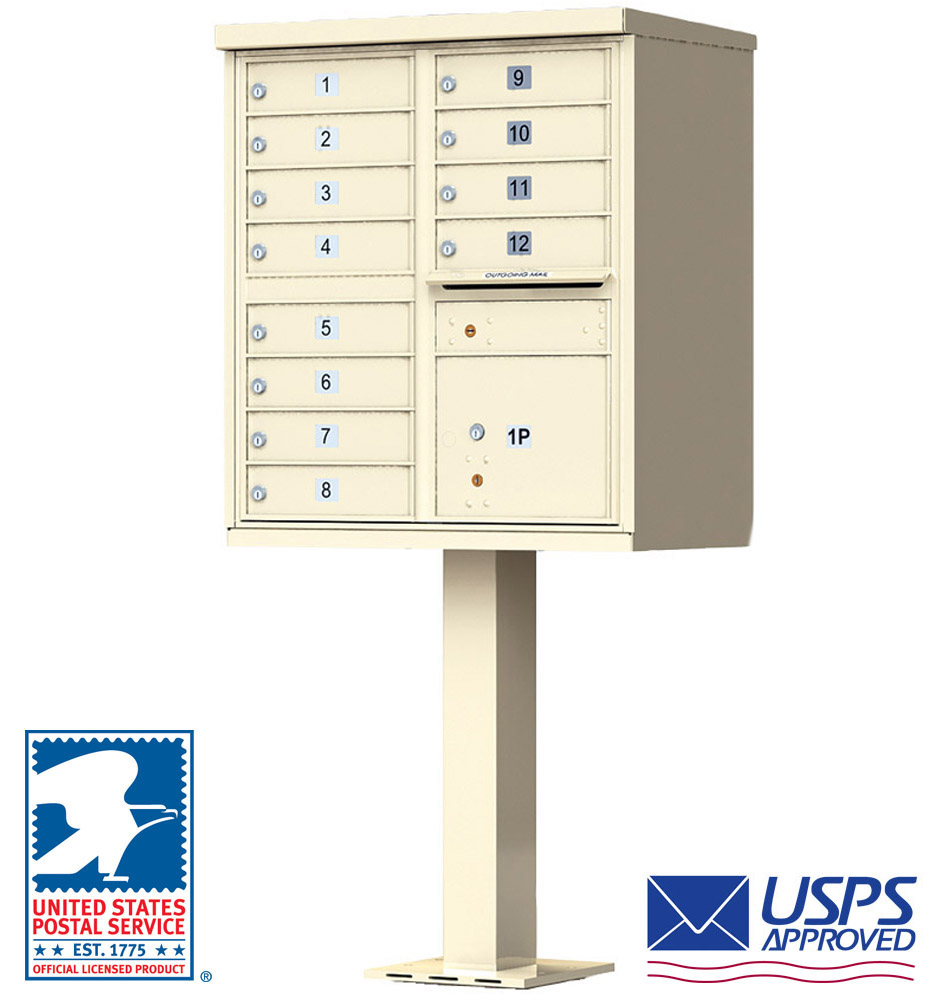
A neighborhood cluster box (a.k.a cluster mailbox or CBU) is a centralized mailbox system designed to serve multiple residences from a single location. Instead of each home having its own curbside or wall-mounted mailbox, residents are assigned individual, locked compartments within one shared mailbox unit.
Cluster mailboxes are commonly installed in:
-
Residential subdivisions
-
Apartment and condominium communities
-
Townhome developments
-
Mixed-use or planned communities
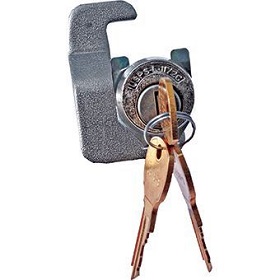
Each household has its own secure mailbox door, while USPS carriers access the entire unit using a master key (often called an Arrow lock). This setup allows mail to be delivered efficiently while keeping individual mail secure and organized.
How Do Cluster Mailboxes Work?
Cluster mailboxes are designed to streamline mail delivery while maintaining privacy and security for residents. Here is how the system typically operates.
Mail Delivery Process
USPS carriers deliver mail to a single centralized mailbox instead of stopping at each home. The carrier opens the front panel of the cluster mailbox using a USPS-issued master key. Inside, each household has a separate, locked compartment.
Mail is sorted and placed directly into the correct compartments during delivery. Residents access their own mail using a unique key provided for their specific mailbox door.
Parcel Lockers and Package Delivery
Many cluster mailbox units include built-in parcel lockers to accommodate package deliveries. These lockers are shared among all residents in the community.
Here is how parcel delivery usually works:
-
When a package fits inside a parcel locker, the carrier places it inside and leaves the parcel locker key in the resident’s mailbox.
-
The resident retrieves the package and returns the key to the lock after use.
-
If the parcel lockers are full or the package is oversized, the carrier may leave a notice or take the package to the local post office for pickup.
Parcel lockers help reduce missed deliveries, but availability can vary depending on community size and delivery volume.
Outgoing Mail in Cluster Boxes
Many cluster mailbox units include a designated outgoing mail slot or compartment. Residents can place stamped outgoing mail there for USPS collection.
A few things to keep in mind about outgoing mail:
-
Collection times depend on the local USPS schedule.
-
Not all cluster mailboxes include outgoing mail slots.
-
If no outgoing slot is available, residents may need to use a nearby USPS collection box or visit the post office.
Why Is USPS Moving to Neighborhood Cluster Boxes?
USPS has gradually expanded the use of neighborhood cluster mailboxes as part of a long-term strategy to modernize mail delivery and manage rising operational costs.
USPS prioritizes cluster mailboxes because they improve delivery efficiency at scale.
-
Operational efficiency:
In a typical subdivision, carriers previously stopped at every home. With cluster delivery, dozens of individual stops are replaced by one centralized delivery point. This significantly reduces route time for each carrier. -
Cost savings:
Fewer delivery stops reduce fuel use, limit vehicle wear, and cut down on overtime. Over time, this helps USPS control costs while continuing daily delivery service. -
Fuel use and emissions reduction:
Shorter routes and fewer stops mean less driving overall. This helps USPS cut fuel use and reduce environmental impact. -
Service reliability and staffing flexibility:
Centralized delivery makes routes easier to manage when staffing shortages or vehicle issues arise. Mail can still be delivered consistently without rerouting dozens of individual stops.
Are Cluster Mailboxes Required?
While cluster mailboxes are not required everywhere, they are mandatory in certain situations.
USPS generally requires cluster mailboxes for:
-
New residential developments
-
Large subdivisions
-
Certain multi-unit housing projects
In some situations, exceptions or waivers may be approved. These decisions are generally made by the local postmaster and are based on factors such as layout, accessibility, and delivery feasibility. Existing neighborhoods with traditional mail delivery are not usually forced to convert unless major redevelopment occurs.
Who Owns and Maintains Cluster Mailboxes?
Ownership and maintenance responsibilities vary depending on how the cluster mailbox is installed and who owns it.
USPS-Owned Cluster Boxes
When USPS owns the cluster mailbox:
-
USPS is responsible for maintenance of the mailbox structure
-
USPS handles lock replacements related to carrier access
-
Residents usually receive keys through USPS when service begins
Privately Owned Cluster Boxes
In many communities, cluster mailboxes are owned by:
-
Homeowners associations
-
Property managers
-
Developers
In these cases, the owner is responsible for:
-
Repairs and replacements (check out our guide on when to replace your mailbox)
-
Maintenance of the mailbox unit and surrounding area
-
Coordinating lock changes when needed
USPS still controls mail delivery access, but physical upkeep falls on the property owner.
Keys, Locks, and Repairs
Key and lock responsibilities can vary, so it is important for residents to know who to contact.
In general:
-
Residents receive mailbox keys when service is established
-
Lost keys often require a lock replacement, though in some cases rekeying may be an option depending on mailbox ownership and local procedures.
-
Costs may be covered by USPS or charged to the resident depending on ownership
-
Repairs to damaged compartments may be handled by the HOA or property owner
Checking with the local post office or property management team is the best way to confirm procedures.
Types of Neighborhood Cluster Mailboxes
Cluster mailboxes come in several configurations designed to meet different community needs, budgets, and delivery volumes.
Standard Cluster Box Units (CBUs)
Standard CBUs are the most common option used by USPS.
Typical features include:
-
4–16 tenant compartments per unit
-
Integrated parcel lockers
-
Pedestal-mounted outdoor installation
-
USPS-approved configurations
Best suited for:
-
New subdivisions
-
Budget-focused developments
-
Communities with moderate package volume
Tenant-specific CBUs feature individual mailboxes with unique keys and communal parcel lockers for package delivery. These mailboxes ensure that each tenant's mail remains secure and accessible only to them.
Check out the video below for more information:
Decorative and Custom Cluster Mailboxes
Decorative or custom cluster mailboxes are designed to blend with community aesthetics.
Common features include:
-
Architectural finishes
-
Custom colors or enclosures
-
Coordinated designs for HOA standards
Best suited for:
-
HOA-managed communities
-
Developments with strict design guidelines
-
Neighborhoods prioritizing curb appeal
These units must still meet USPS access and security requirements.
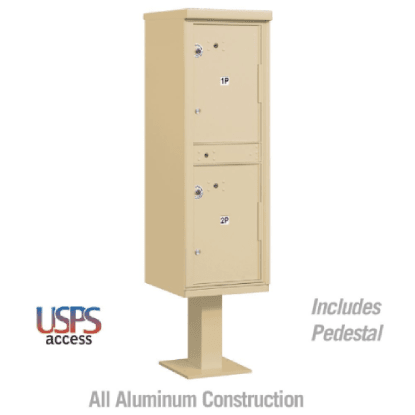
Outdoor Parcel Lockers (OPLs)
Outdoor parcel lockers are standalone units used alongside CBUs.
They are commonly added when:
-
Package volume is high
-
Built-in parcel lockers fill quickly
-
Residents receive frequent large deliveries
OPLs help reduce missed deliveries and overflow issues.
Benefits and Drawbacks of Neighborhood Cluster Boxes
Cluster mailboxes do offer benefits, but there are trade-offs that come with them. Being aware of both helps set more realistic expectations.
Benefits of Cluster Mailboxes
Here are some commonly cited benefits:
-
Improved delivery efficiency
-
Reduced traffic and vehicle emissions
-
Centralized, organized mail delivery
-
Durable construction designed for shared use
Disadvantages and Resident Concerns
Some challenges residents may experience include:
-
Walking distance from the home
-
Exposure to weather during pickup
-
Limited parcel locker availability
-
Privacy concerns in shared locations
Understanding these factors makes it easier for communities to plan where things go and how they’re maintained.
How Safe Are Neighborhood Cluster Boxes?
Security is a common concern for residents using shared mailboxes. While cluster mailboxes are designed with protection in mind, no system is completely risk-free.
Built-In Security Features of Cluster Mailboxes (Locks, Materials, Design)
Most cluster mailboxes include standard security features such as:
-
Locked individual tenant doors
-
USPS carrier access via master lock
-
Heavy-duty materials designed to resist tampering
-
Outgoing mail compartments with anti-fishing features where applicable
These features provide a baseline level of protection for everyday mail.
Mail Theft, Break-Ins, Vandalism, and Identity Theft
Despite built-in protections, risks can still exist. Common issues include:
-
Forced entry into compartments
-
Targeting of master locks
-
Theft of mail leading to identity fraud
-
Package theft if parcel locker keys are mishandled
-
Vandalism to mailbox doors or enclosures
Residents should watch for signs such as damaged doors, missing keys, or loose locks and report issues promptly.
Safety Around the Mailbox Location (Lighting, Visibility, Weather, Traffic)
The location of a cluster mailbox plays a major role in safety and usability.
Important factors include:
-
Adequate lighting for evening use
-
Clear sightlines from nearby homes or streets
-
Protection from high-traffic areas
-
Weather protection, where feasible
Well-planned placement reduces risk and improves overall convenience.
Best Practices for Residents (Quick Habits That Reduce Risk)
Simple habits can significantly reduce the risk of mail theft or loss.
Pick Up Mail Regularly
-
Collect mail daily or within 48 hours
-
Mail left overnight is a common theft target
-
Set reminders if needed
Watch for Warning Signs
Check your mailbox and surrounding area for:
-
Loose or damaged compartment doors
-
Scratches or pry marks near locks
-
Missing parcel locker keys
-
Unsecured master lock covers
Use USPS Informed Delivery
This free service lets you preview incoming mail and helps identify missing items quickly.
Report Issues Immediately
If you notice tampering or lost keys:
-
Contact your HOA or property manager
-
Contact your local postmaster
-
Take photos and note dates
-
Report suspected theft to USPS if needed
Quick reporting helps prevent further issues.
Accessibility, ADA, and Placement Rules
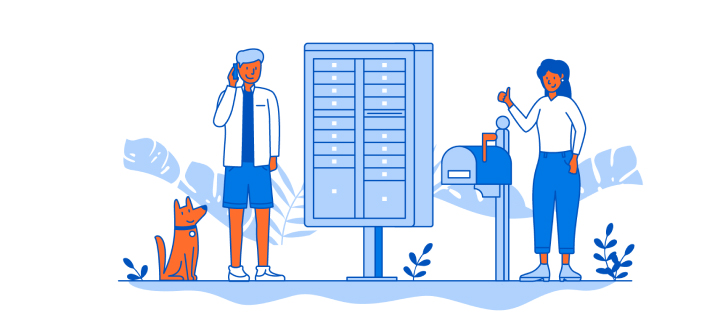
Cluster mailboxes have to meet USPS delivery standards and ADA requirements so everyone can use them safely.
Below are the key considerations that affect placement and accessibility.
USPS and ADA Height Requirements
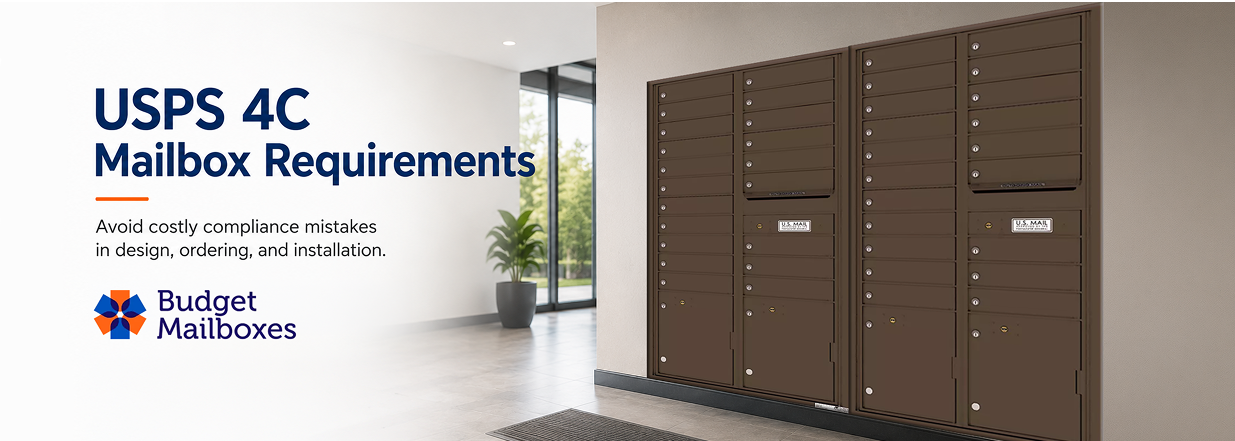
USPS STD-4C standards define acceptable mailbox heights, which also align with ADA reach limits.
Key requirements include:
-
Mailbox compartment locks:
-
Minimum height: 36 inches
-
Maximum height: 48 inches
-
Mailbox compartment bottoms:
-
Minimum height: 28 inches
-
Parcel locker compartment bottoms:
-
Minimum height: 15 inches
Accessibility notes:
-
48 inches is the maximum ADA reach height
-
Only compartments at or below this height are considered accessible
-
Federal guidelines require a minimum percentage of accessible compartments
-
Local codes may require higher compliance
Placement and Access Considerations
Cluster mailboxes should be installed with:
-
Clear, unobstructed access paths
-
Level ground in front of the unit
-
Enough space for wheelchair maneuvering
-
Adequate lighting and visibility
-
Placement along accessible routes such as sidewalks
Mailbox locations should avoid steps, curbs, or landscaped areas without defined walkways.
Addressing Accessibility Issues
If accessibility concerns arise:
-
Document the issue
-
Contact the HOA or property manager
-
Request a review through the local post office
Mailbox placement can often be adjusted after review to improve accessibility.
Common FAQs About Cluster Mailboxes
How far can a cluster mailbox be from my home?
USPS expects cluster mailboxes to be within walking distance, but there’s no fixed distance listed.
Placement distance is determined by the local postmaster and may vary based on:
- Community layout and design
- Accessibility requirements
- Available installation space
- Delivery feasibility and route planning
For your specific community’s placement standards, contact your HOA or local post office.
Can I opt out of a cluster mailbox?
In most cases, residents cannot opt out once a community is designated for cluster mail delivery.
Exceptions are rare and may be reviewed for:
- Documented accessibility needs
-
Safety concerns requiring postmaster evaluation
Requests must be submitted through the local postmaster, and decisions are final.
Can I change from a post mounted residential mailbox to a wall mount mailbox?
In cluster mailbox communities, individual mailbox conversions are not approved.
USPS assigns delivery type by route, not by residence. Individual mailboxes would disrupt centralized delivery.
Residents with special needs should contact their local postmaster to discuss possible accommodations.
What size mailbox do I need for online shopping?
Mailbox size depends on delivery volume and parcel locker availability, with USPS commonly recommending parcel locker ratios such as one locker for every five mail compartments.
Residents who receive frequent packages may benefit from communities that offer additional parcel lockers or outdoor parcel locker units.