Request Quote
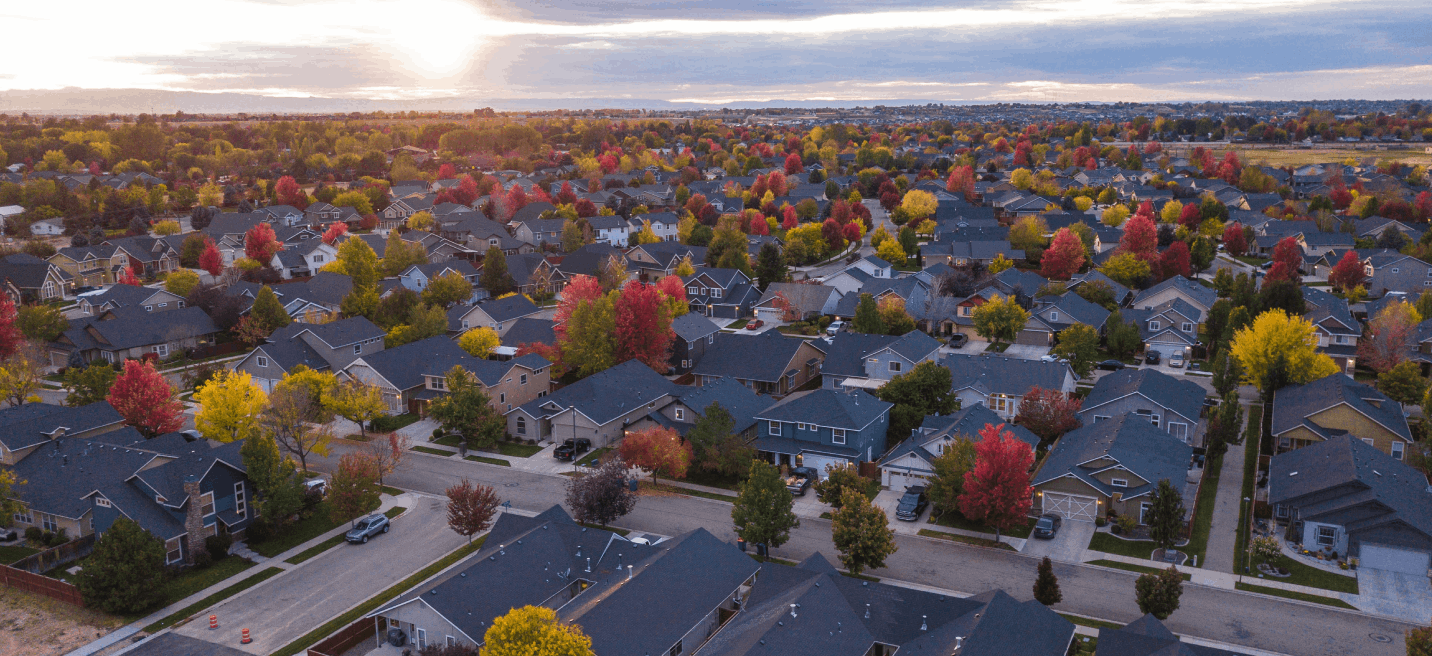 Photo by Jimmy Conover on Unsplash
Are you a Property Manager, HOA Manager, or Residential Developer seeking to streamline mail delivery, enhance your community aesthetic, and ensure USPS compliance? You're in the right place. This comprehensive guide on neighborhood mailboxes will help you navigate this essential aspect of community management.
Understanding the Integral Role of Neighborhood Mailboxes in Your Community
Neighborhood mailboxes aren't just receptacles for letters and bills but key communication tools for residents. The right set of mailboxes can also enhance your property's curb appeal and value, proving to be an investment that pays off. Here are some examples of how mailboxes play an integral role in your community:
-
Community Aesthetic: Mailboxes that are themed or uniform add to the neighborhood's overall appearance. They can leave a lasting visual impact and support the perception of unity and order.
-
Identity & Uniqueness: A neighborhood's particular identity can stand out and set it apart from other communities if it has remarkable or unusual mailboxes.
-
Property Value: As part of the neighborhood's general curb appeal, attractive and well-maintained mailboxes can help keep or even raise the area's property prices.
-
Channel for Communication: Mailboxes are crucial channels for communication. They provide a means of receiving invoices and letters, as well as vital community news, neighborhood newsletters, and even emergency notifications.
-
Meeting Point: In some communities, strategically placed mailboxes can act as unofficial gathering spots that promote neighborhood interactions. When checking their mail, neighbors can catch up with one another, fostering a sense of community.
-
Brand perception: The kind and design of the mailbox in communities that are part of a more significant development or managed by an HOA may reflect the brand of the development or management firm.
-
Navigation Landmark: Mailboxes can be used as a marker to direct guests or emergency services to specific residences, particularly in more significant areas.
USPS Regulations: Ensuring Your Neighborhood Mailboxes Are Compliant
Understanding USPS regulations for centralized mail delivery is crucial. These rules ensure that mail delivery is efficient, secure, and consistent across all residences in your community. From placement guidelines to the type of mailbox units, compliance isn't just a federal requirement; it's a step towards enhancing your residents' living experience. Some of the regulations mentioned below for reader's information or facility:
-
Placement and Location: According to USPS, mailboxes must be between 41 and 45 inches above the road's surface at the point of mail entry or the bottom of the mailbox. They must maintain a distance from the curb by 6 to 8 inches. Your local postmaster might specify the specific location.
-
Size: The USPS has rules governing mailbox dimensions. Although there is yet to be a set size for mailboxes, they should be big enough to hold the average amount of mail a household receives daily. Numerous mailbox producers provide designs that adhere to the USPS's "T" size specifications.
-
Design of Mailbox: The mailbox must follow USPS guidelines regarding construction to allow for effective mail delivery and retrieval. The flag, if present, should function properly, and the door should be able to close safely. The mailbox must feature a door or slot to insert mail without harm.
-
Numbers: The mailbox should show the address of the home or unit. The numbers must be at least 1 inch tall and placed so the mail carrier can see them easily.
-
Postmaster General Approval: All mailbox designs must receive the Postmaster General's approval before being used. You should confirm that a new mailbox model is present before installing it. For this information, see the USPS website or contact the manufacturer.
-
Construction and upkeep: The mailbox must be solid and secure, with no protruding or jagged edges that may cut persons or mutilate mail. Additionally, the mailbox must remain in good condition, which may entail repainting as necessary and replacing worn-out components.
-
Obstruction-Free: Mailboxes must be free of anything that could prevent mail delivery. It includes flowers, ornaments, and even snow or ice in colder regions.
-
No Advertising: Mailboxes may not be used for any advertising, per USPS regulations, as they are designed just for receiving mail.
When selecting new mailboxes for your area, you should check with your local post office or postal carrier because the exact regulations may change depending on where you live.
Factors to Consider When Selecting Mailboxes for Your Neighborhood
Selecting the right mailboxes for your neighborhood involves considering several factors, such as durability, security, and style. Moreover, with the rising trend of online shopping, parcel lockers have become necessary in modern residential communities with the rising trend of online shopping. Here are the details of each factor to consider when selecting Mailboxes in your neighborhood:
-
Style: The mailbox's design should complement the neighborhood's overall attractiveness. Think about the neighborhood's other structures and home designs. The mailbox should improve the individual properties and the neighborhood's curb appeal.
-
Durability: The materials used to build the mailboxes should resist daily use and various weather conditions. Aluminum, stainless steel, and heavy-duty plastics could all make good choices. To avoid fading from exposure to the sun, they should also be rust-resistant and have a high-quality paint or coating.
-
Security: This is a crucial factor to consider in locations where mail theft is an issue. Look for mailboxes with security measures like locks or a robust and durable structure.
The Advantages of Uniform HOA Mailboxes
Opting for uniform mailboxes in your HOA neighborhoods improves aesthetics and eases management. Additionally, HOA-specific mailboxes often come with enhanced security features, providing residents peace of mind regarding their mail and parcels. Multiple benefits come with uniform HOA mailboxes. Here are a few instances:
-
Aesthetics: Having uniform mailboxes gives a neighborhood a neat, orderly aspect that can improve its appeal. It may enhance the neighborhood's overall curb appeal.
-
Identity: A consistent look contributes to the neighborhood's identity. It can help the place stand out from neighboring communities and become quickly recognizable.
-
Property Value: A unified, appealing design might enhance residents' perceptions of the properties' worth in the area, which could result in higher resale prices.
-
Durability and Quality: If the HOA selects sturdy, high-quality mailboxes, this could result in longer mailbox lifespans and fewer maintenance concerns.
-
Ease of Maintenance: Since every home uses the same mailbox, performing repairs or replacements is more straightforward for the HOA or a maintenance crew because they only need to supply one type of part.
-
Regulation Compliance: Standardized mailboxes help ensure that every resident complies with all USPS mailbox location and design rules.
-
Security: Mail theft is also prohibited since uniform mailboxes frequently include comparable security features.
-
Equality: Standardized mailboxes help avoid rivalry or arguments between neighbors over whose mailbox is more attractive or expensive.
-
Integration with Other Infrastructure: To create a coherent area, uniform mailboxes can be designed and selected to complement or match other neighborhood characteristics like street signs or lighting fixtures.
-
Wayfinding: Reliable mailboxes can help visitors or emergency services locate homes quickly and precisely.
Exploring Popular Community Mailboxes Options
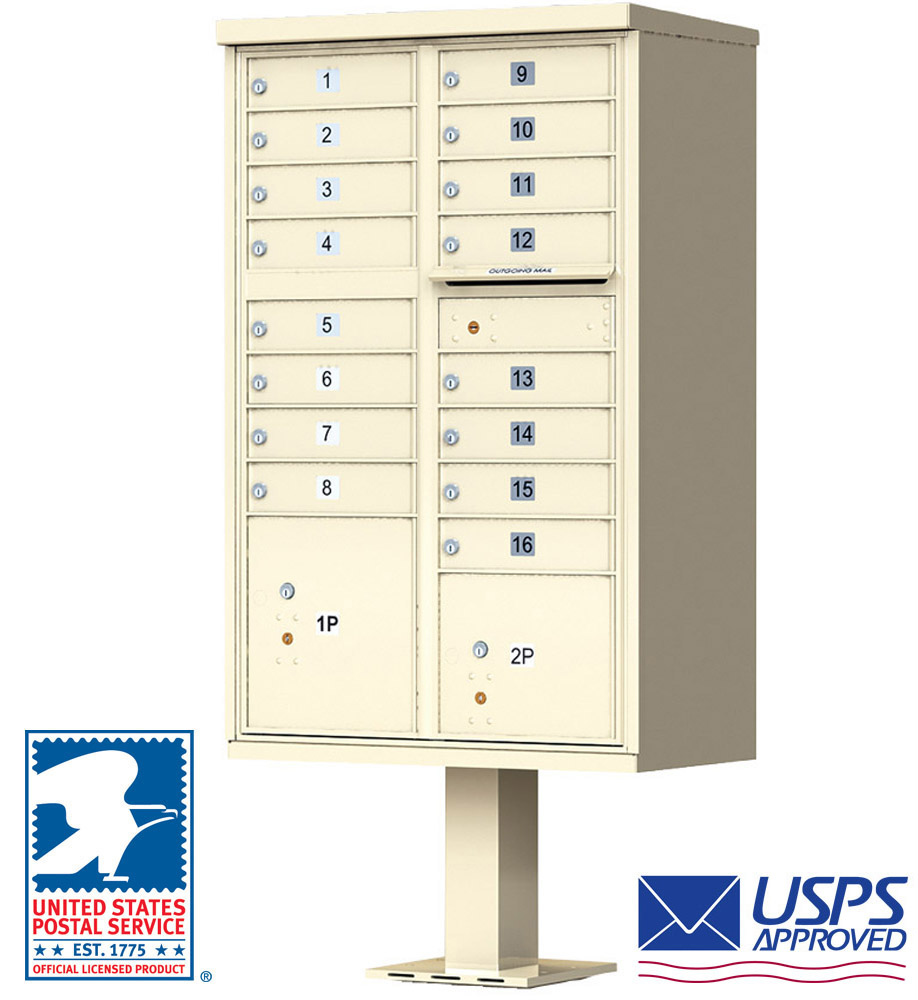
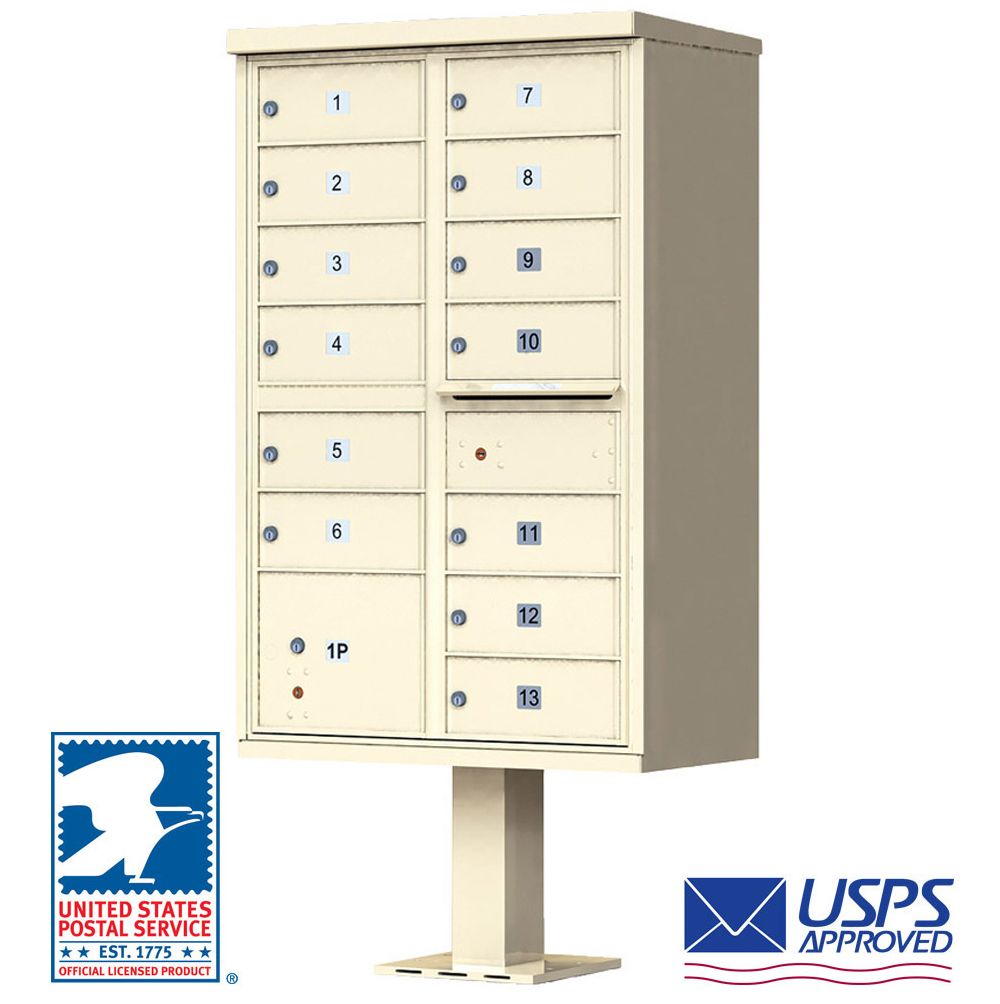
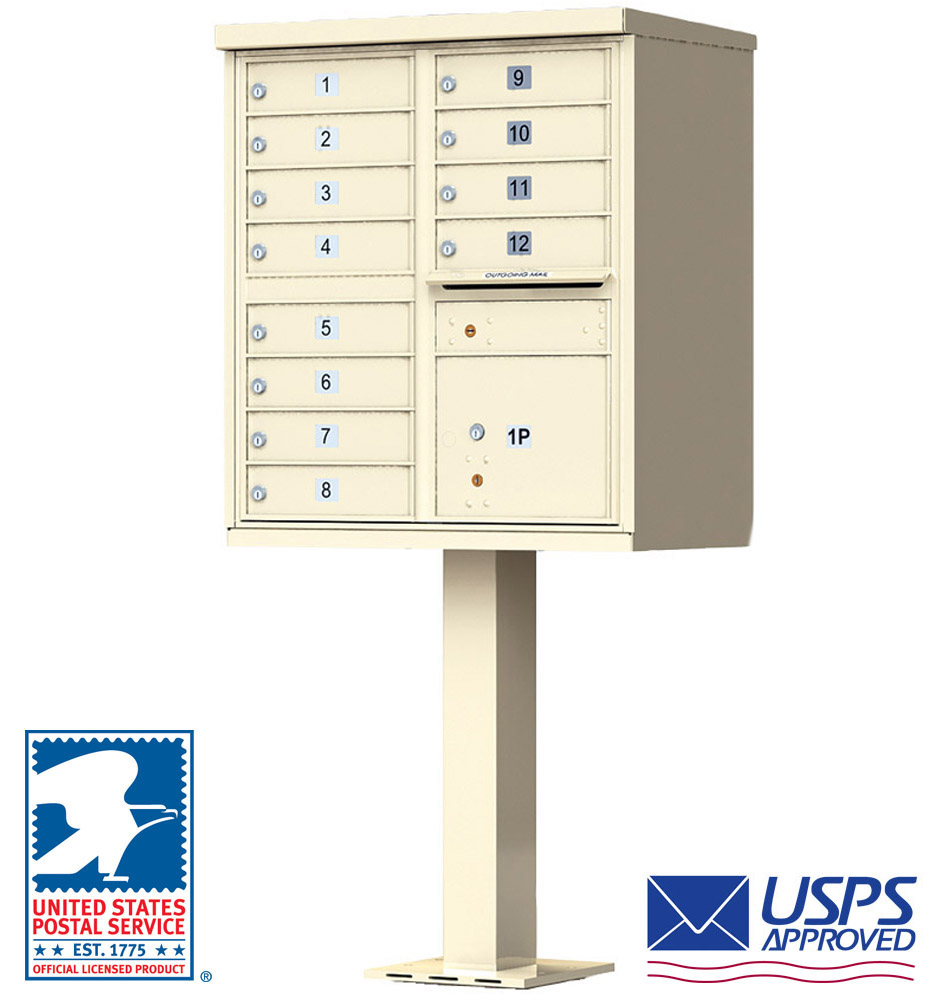
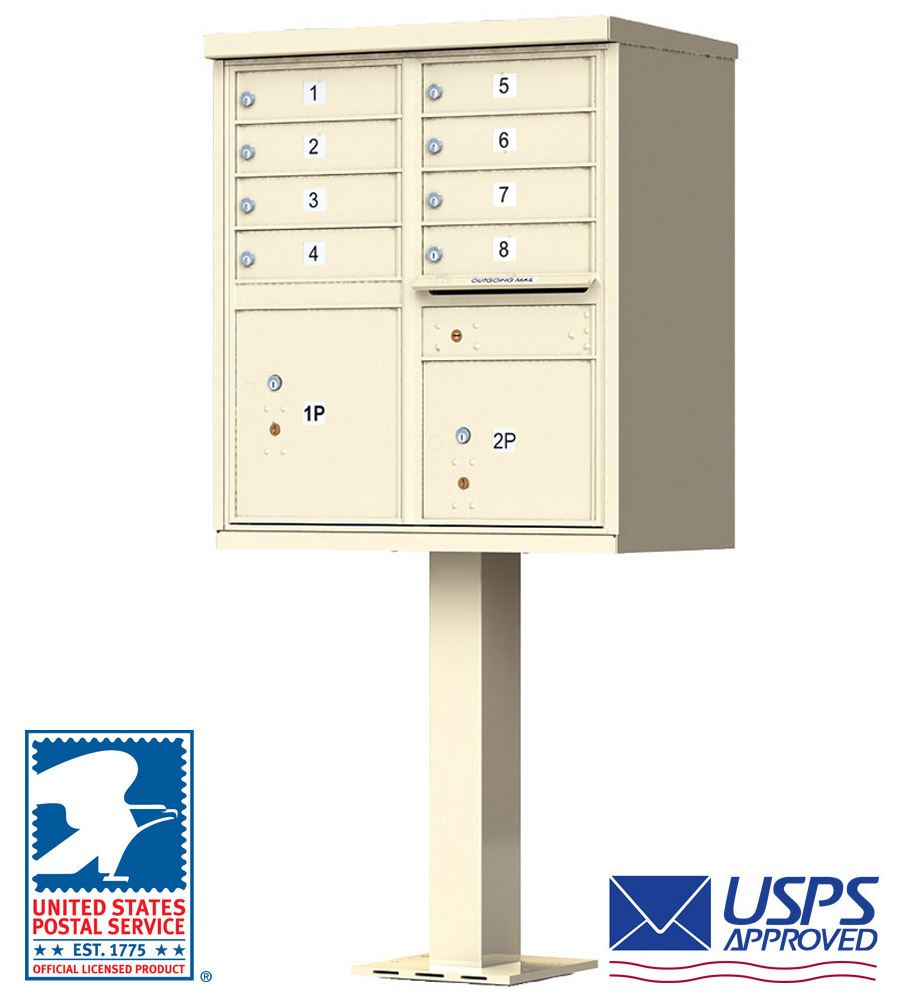
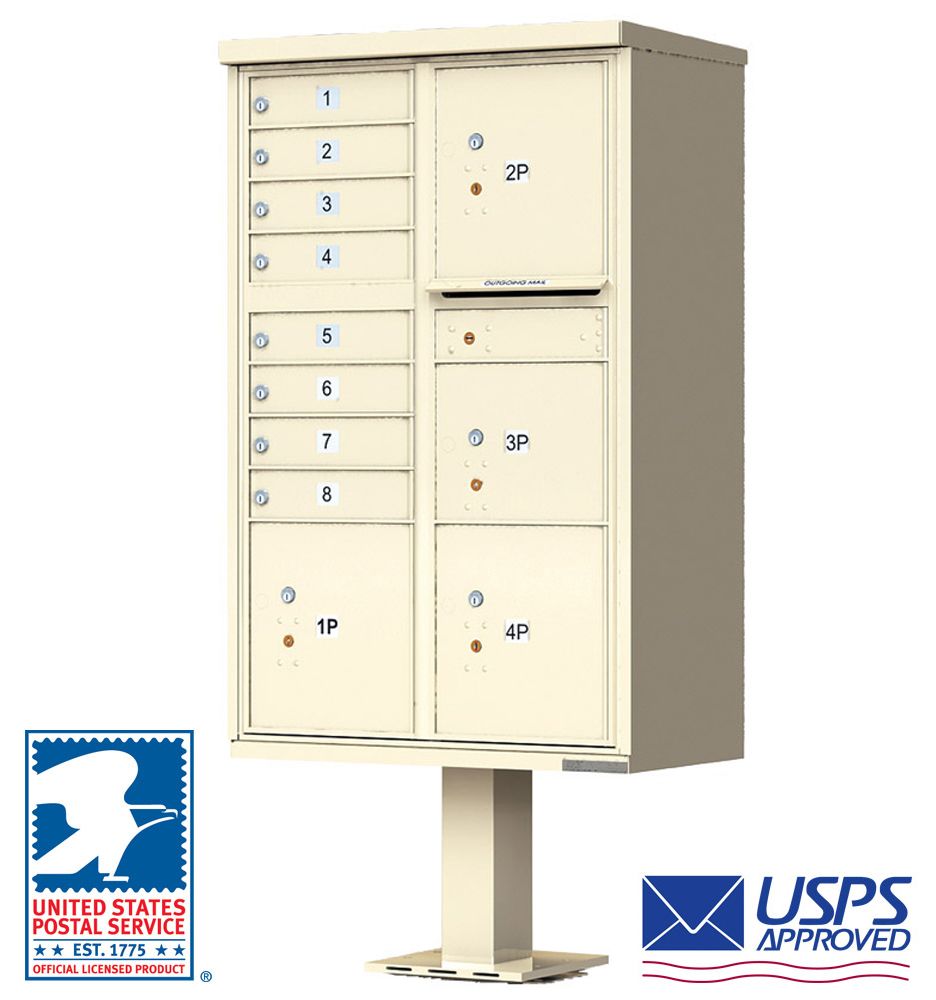
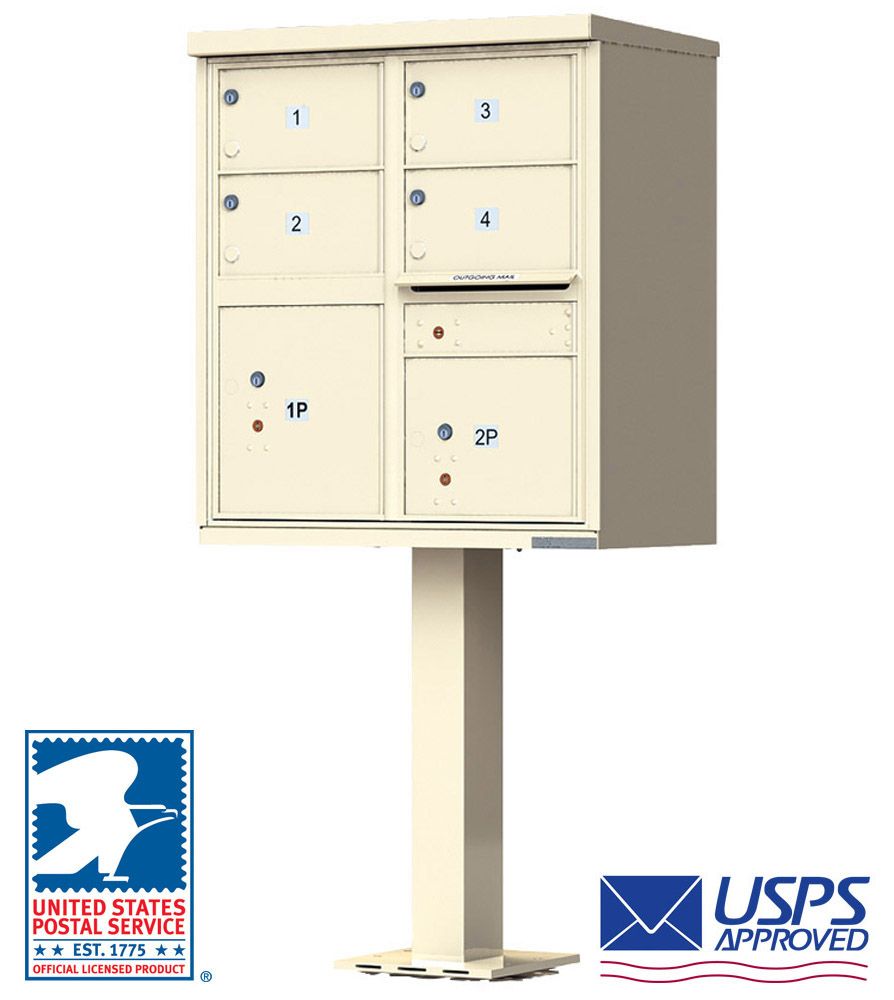
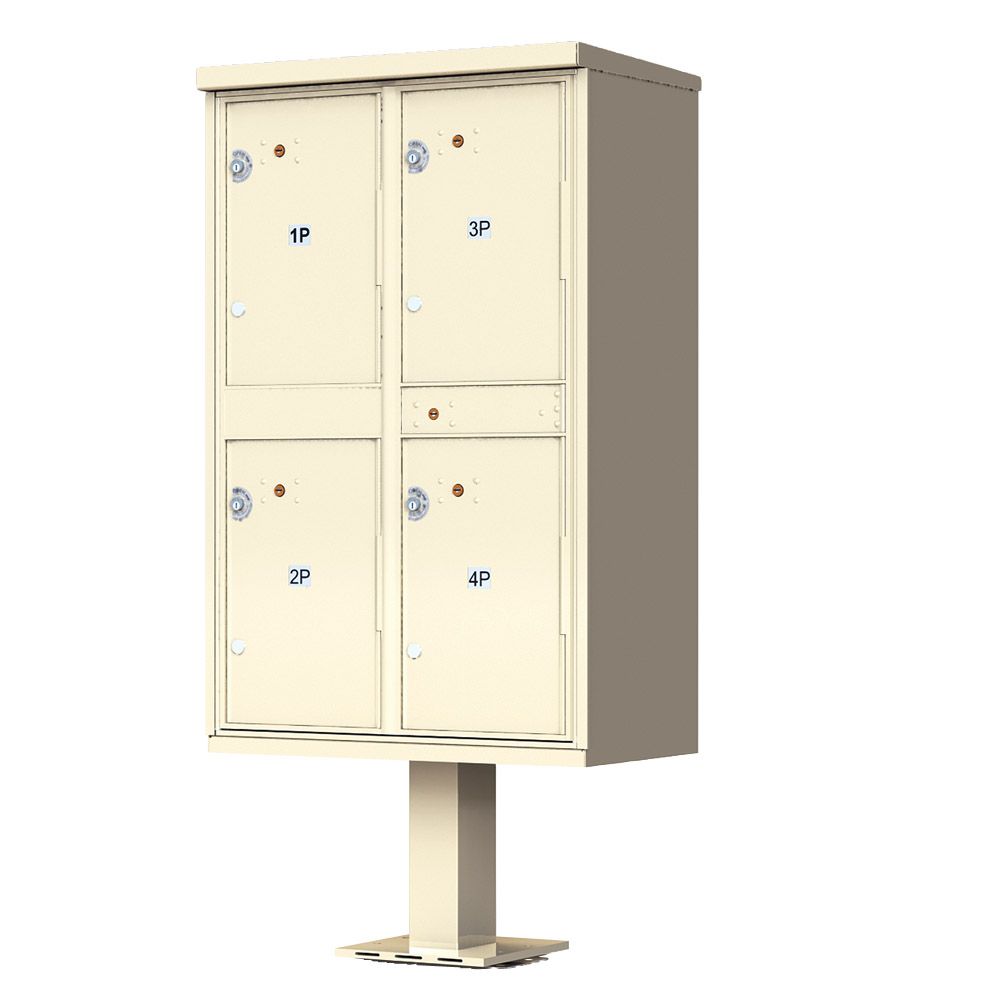
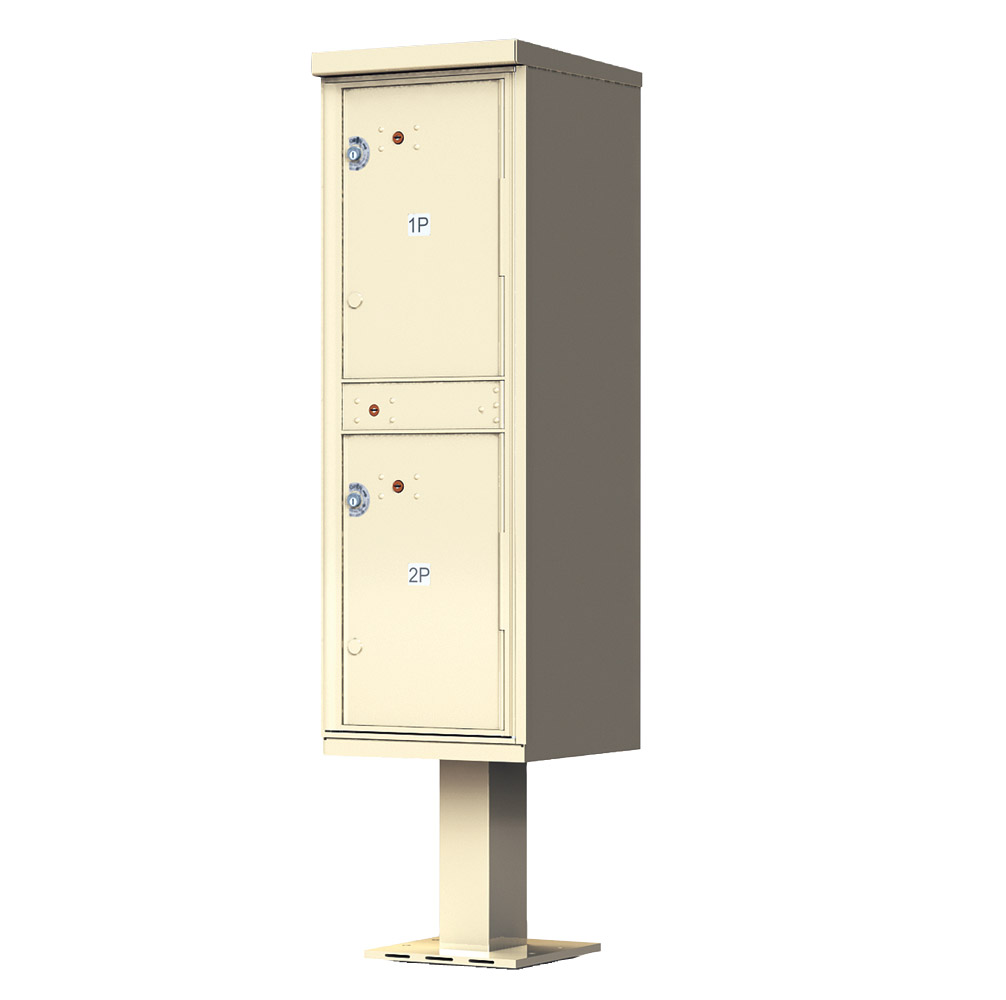
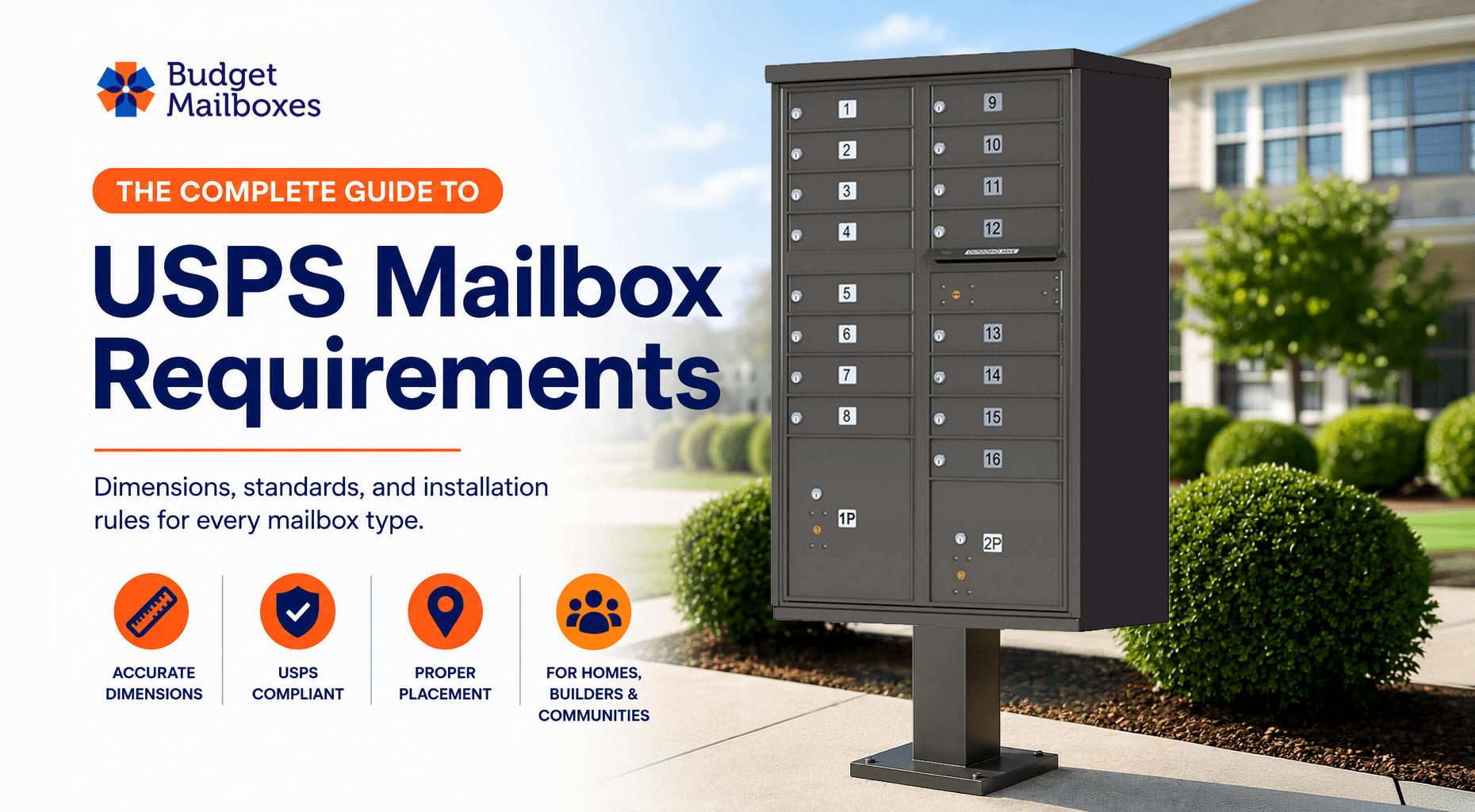
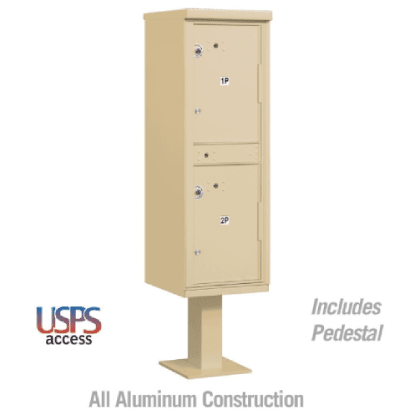
Various community mailbox options are available, each with its advantages. Cluster Box Units (CBUs) and Outdoor Parcel Lockers (OPLs) are among the favorites, owing to their durability, capacity, and compliance with USPS regulations.
Pros and Cons of Neighborhood Mailboxes
Pros
-
Efficiency: Centralized mail delivery reduces postal workers' time and effort.
-
Security: Each resident's mailbox can be locked, securing their mail and parcels.
-
Aesthetics: Uniform mailboxes can improve the visual appeal of a neighborhood.
-
Parcel Delivery: Many neighborhood mailbox models include parcel lockers, accommodating the rising trend of online shopping.
-
Sloped top for water run-off: All CBU mailboxes are equipped with sloping hoods to facilitate water run-off to keep mail dry.
-
Anti-pry security and mail-theft prevention: All CBUs are equipped with pry-resistant an aluminum, anti-fish comb to deter thieves from reaching into the slot with coat hangers or other prying tools.
-
Sloping hood to prevent mail theft: The outgoing mail slot uses a sloping hood to prevent a person from reaching in with their hand.
For more information on security features, please visit this blog article.
Cons
-
Maintenance: Responsibility for mailbox maintenance can fall on HOA or property management.
-
Limited Personalization: Uniform mailboxes offer less opportunity for individual expression.
Conclusion
Choosing the right mailbox system is more than a compliance issue—it can transform the living experience for your residents and simplify management tasks. Are you ready to make a difference in your community? Explore a range of USPS-compliant, attractive, and secure neighborhood mailbox options on Budget Mailboxes today.
FAQs About Neighborhood Mailboxes
Q: How do community mailboxes work?
A: Community mailboxes, often called Cluster Box Units (CBUs), are centralized units where mail for multiple residences is delivered. Each resident has a locked mailbox within the unit, and the postal service delivers mail directly to these boxes.
Q: What are the neighborhood mailboxes called?
A: The USPS sometimes refers to neighborhood mailboxes as Cluster Box Units (CBUs), community mailboxes, or shared mailboxes.
Q: Where are the mailboxes in my neighborhood?
A: The location of your neighborhood mailbox can vary depending on the layout of your community. The property owner, developer, or manager will place these mailbox units in a centralized, easily accessible area. If you're unsure, check with your HOA or property manager.
Q: Who to contact for broken neighborhood mailboxes?
A: If a mailbox is broken, contact your property manager, HOA, or USPS depending on who owns the mailbox. The HOA or property management company is often responsible for maintenance.
Q: Why do some neighborhoods have shared mailboxes?
A: Shared mailboxes, like CBUs, promote efficiency in mail delivery, reduce mail service costs, and can add to the aesthetics of a neighborhood. They also provide a secure location for parcel delivery, which has become increasingly important with online shopping.